
Introduction
Menopause is a natural biological transition characterized by declining ovarian estrogen production, leading to vasomotor instability, mood disturbances, urogenital atrophy, metabolic changes, and reduced bone density. While hormone replacement therapy (HRT) is effective, concerns regarding long-term risks have driven interest in plant-based alternatives. Among Ayurvedic botanicals, Shatavari (Asparagus racemosus) has gained significant attention due to its traditional use as a Rasayana herb and its potential phytoestrogenic and adaptogenic properties.
Phytochemical basis and mechanistic rationale
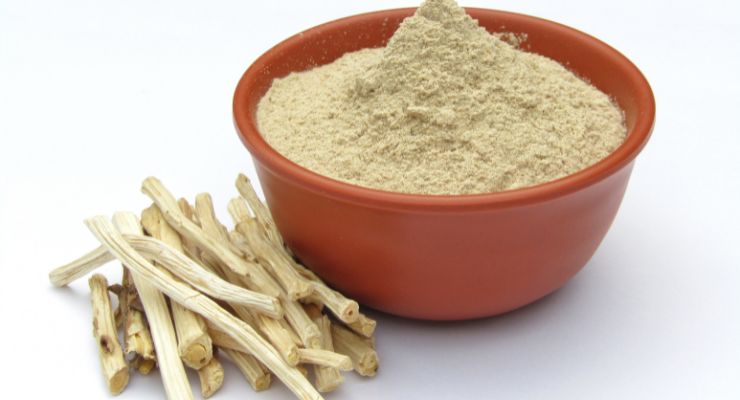
Shatavari root contains a diverse array of bioactive constituents, including steroidal saponins (shatavarins), flavonoids, isoflavones, polycyclic alkaloids, and essential fatty acids.
- These compounds contribute to its multifunctional biological actions, particularly in modulating endocrine and neuroendocrine pathways.
- Its phytoestrogenic activity is considered central to its role in menopause management. By interacting with estrogen receptors, particularly ERβ, Shatavari may exert mild estrogen-like effects, thereby partially compensating for estrogen deficiency states.
- This receptor-mediated modulation is associated with improvement in vasomotor symptoms such as hot flashes and night sweats, along with beneficial effects on mood and sleep regulation.
Clinical efficacy in menopausal symptom management
Shatavari is traditionally classified as a Rasayana (rejuvenator), Balya (strength-promoting), and Vayahsthapana (anti-aging) herb, suggesting systemic restorative potential.
Clinical and preclinical observations suggest several therapeutic benefits:
- Vasomotor symptom relief: Phytoestrogenic modulation is believed to stabilize thermoregulatory centers in the hypothalamus, thereby reducing the frequency and intensity of hot flashes
- Neuropsychological support: Shatavari demonstrates mild anxiolytic and adaptogenic activity, contributing to improved stress resilience, reduced irritability, and better sleep quality. This is particularly relevant in menopausal women experiencing mood fluctuations and insomnia.
- Urogenital and reproductive tissue support: Traditionally, Shatavari has been used to nourish reproductive tissues and improve vaginal lubrication, potentially alleviating symptoms of urogenital atrophy.
- Metabolic and bone health effects: Emerging evidence suggests that phytoestrogenic herbs may support lipid metabolism and reduce oxidative stress, thereby offering indirect cardiometabolic and osteoprotective benefits during estrogen-deficient states.
Systemic actions through Rasayana mechanism
In Ayurvedic pharmacology, Shatavari is considered a deep tissue nourisher (Dhatu-pushtikara) that enhances Ojas and restores physiological balance. Its Rasayana action is associated with improved immunity, vitality, and resistance to degenerative changes. These properties collectively support its use as a long-term supportive therapy in menopausal health management.
Safety profile and tolerability
- Shatavari is generally regarded as safe when used in therapeutic doses. Most studies and traditional usage report good tolerability, with minimal adverse effects. Its natural origin and mild hormonal modulation make it a preferred alternative for women seeking non-synthetic interventions.
- However, as with other phytoestrogenic agents, theoretical concerns exist regarding long-term hormonal effects, particularly in individuals with hormone-sensitive conditions. Current evidence does not conclusively demonstrate significant risk, but clinical monitoring is advisable in prolonged use or high-dose supplementation.
- Additionally, variability in extraction methods and product standardization remains a limitation in ensuring consistent pharmacological potency across preparations.
Conclusion
Shatavari root extract represents a promising phytotherapeutic option for menopausal symptom management due to its phytoestrogenic, adaptogenic, and Rasayana properties. Its potential to alleviate vasomotor symptoms, improve psychological well-being, and support systemic health positions it as a valuable complementary approach in menopause care. While preliminary evidence supports its efficacy and safety, larger well-designed clinical trials are needed to fully validate its therapeutic role in evidence-based integrative medicine.1
References:
- Ademola J, Ajgaonkar A, Debnath T, Debnath K, Langade J. Efficacy and safety of Shatavari root extract (Asparagus racemosus) for menopausal symptoms: a randomized, double-blind, three-arm, placebo-controlled study. Front Reprod Health. 2025;7:1654503. Published 2025 Nov 27. doi:10.3389/frph.2025.1654503 https://pmc.ncbi.nlm.nih.gov/articles/PMC12695842/#s4