
Introduction
Psoriasis is a chronic immune-mediated inflammatory skin disorder characterized by keratinocyte hyperproliferation, impaired epidermal differentiation, and persistent cutaneous inflammation driven primarily by the IL-23/Th17 axis, TNF-α signaling, and NF-κB activation. These pathological processes lead to increased transepidermal water loss (TEWL), compromised skin barrier function, scaling, erythema, and pruritus.
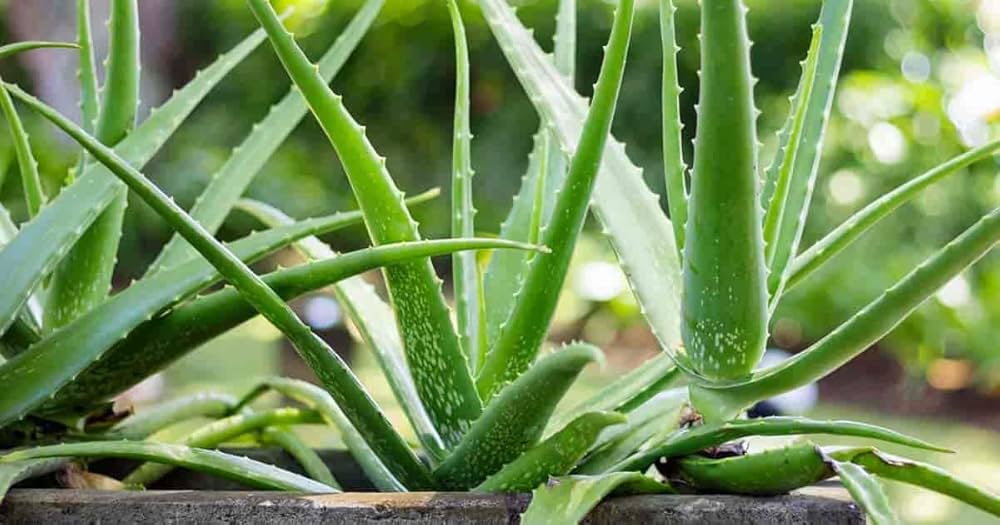
In recent years, Aloe barbadensis Miller (Aloe vera) has gained scientific attention as a supportive topical therapeutic agent in dermatology due to its moisturizing, wound-healing, anti-inflammatory, and immunomodulatory properties.1 Its role in improving epidermal hydration and barrier restoration makes it particularly relevant in psoriasis management as an adjunct therapy.
Phytochemical profile of Aloe vera
Aloe vera gel contains a complex mixture of bioactive compounds responsible for its dermatological effects.
Major bioactive constituents:
- Polysaccharides: acemannan, glucomannan
- Vitamins: A, C, E, B-complex
- Enzymes: bradykinase, catalase, peroxidase
- Amino acids and sterols
- Phenolic compounds and anthraquinones (aloin, emodin in latex fraction)
Acemannan is considered the principal active polysaccharide responsible for wound healing, immunomodulation, and epidermal repair activity.
Pathophysiology of psoriatic skin barrier dysfunction
- Epidermal hyperproliferation and impaired differentiation:
Psoriatic skin exhibits accelerated keratinocyte turnover with incomplete maturation, resulting in thickened stratum corneum and scaling.
- Skin barrier disruption and transepidermal water loss:
Loss of lipid organization and tight junction integrity leads to increased TEWL, dryness, and susceptibility to irritants.
- Inflammatory cytokine-mediated damage:
TNF-α, IL-17, and IL-23 amplify inflammation, further disrupting epidermal homeostasis and delaying healing.
- Oxidative stress and tissue injury:
Reactive oxygen species contribute to lipid peroxidation and structural damage within epidermal layers.
Mechanisms of therapeutic action of aloe vera in psoriasis
- Epidermal repair and wound healing:
Aloe vera stimulates fibroblast proliferation, collagen synthesis, and epithelial regeneration, thereby accelerating epidermal repair and reducing plaque-associated skin damage.2
- Skin hydration and barrier restoration:
Polysaccharides such as acemannan enhance water retention in the stratum corneum, reduce transepidermal water loss, and improve skin elasticity, directly addressing psoriatic xerosis and scaling.
- Anti-inflammatory activity:
Aloe vera inhibits cyclooxygenase (COX) pathways and reduces pro-inflammatory cytokines including TNF-α and IL-6, leading to reduced erythema, swelling, and lesion severity.
- Immunomodulatory effects:
Bioactive polysaccharides modulate macrophage and cytokine activity, contributing to balanced immune responses and reduced chronic cutaneous inflammation.
- Antioxidant and cytoprotective effects:
Vitamins C and E, along with phenolic compounds, neutralize reactive oxygen species and protect epidermal cells from oxidative injury, supporting skin barrier integrity.
- Antipruritic and soothing effects:
Aloe vera gel exerts cooling and anti-irritant effects, reducing pruritus and improving patient comfort in inflamed psoriatic plaques.
Experimental and clinical evidence
Preclinical evidence:
Experimental dermatological models demonstrate that Aloe vera enhances wound closure, increases collagen deposition, and reduces inflammatory markers in cutaneous injury. It also improves epithelial regeneration and reduces oxidative stress in skin tissues.
Clinical evidence:
- Topical Aloe vera formulations have shown improvement in plaque severity and scaling in mild to moderate psoriasis.
- Reduction in erythema, itching, and dryness has been observed with regular application.
- Comparative studies suggest moderate efficacy when used as an adjunct to conventional therapies such as corticosteroids or vitamin D analogues.
- Overall safety profile is favorable, with minimal adverse effects reported.
However, variability in gel preparation and concentration remains a limiting factor in standard clinical outcomes.
Therapeutic role in psoriatic skin management
- Adjunct epidermal repair therapy: Supports restoration of damaged epidermis and accelerates healing of psoriatic plaques.
- Moisturizing and barrier-protective agent: Improves hydration status and reduces scaling through enhanced water retention.
- Anti-inflammatory topical support: Reduces local inflammation and complements pharmacological anti-psoriatic agents.
- Symptom-relief therapy: Provides soothing, anti-pruritic effects that improve patient quality of life.
Clinical relevance and limitations
Despite promising dermatological benefits, several limitations persist:
- Lack of standardized Aloe vera extract formulations
- Variability in active polysaccharide concentration
- Limited large-scale randomized controlled trials in psoriasis
- Short-term clinical data predominance
Thus, Aloe vera is best considered a supportive topical adjuvant rather than a primary therapeutic agent in psoriasis management.
Conclusion
Aloe barbadensis Miller demonstrates significant therapeutic potential in psoriasis3 through its epidermal repair, hydrating, anti-inflammatory, antioxidant, and immunomodulatory properties. By restoring skin barrier function and reducing inflammatory burden, Aloe vera provides meaningful adjunctive benefits in psoriatic skin care. However, further standardized clinical studies are required to validate its long-term efficacy and optimize its integration into evidence-based dermatological treatment protocols.
References:
- Sánchez M, González-Burgos E, Iglesias I, Gómez-Serranillos MP. Pharmacological Update Properties of Aloe Vera and its Major Active Constituents. Molecules. 2020;25(6):1324. Published 2020 Mar 13. doi:10.3390/molecules25061324. https://pmc.ncbi.nlm.nih.gov/articles/PMC7144722/
- Hekmatpou D, Mehrabi F, Rahzani K, Aminiyan A. The Effect of Aloe Vera Clinical Trials on Prevention and Healing of Skin Wound: A Systematic Review. Iran J Med Sci. 2019;44(1):1-9.. https://pmc.ncbi.nlm.nih.gov/articles/PMC6330525/
- Herculano RD, Dos Santos TO, de Barros NR, et al. Aloe vera-loaded natural rubber latex dressing as a potential complementary treatment for psoriasis. Int J Biol Macromol. 2023;242(Pt 1):124779. doi:10.1016/j.ijbiomac.2023.124779. https://pubmed.ncbi.nlm.nih.gov/37172697/