
Introduction
Dyslipidemia and hypertension link
Dyslipidemia-associated hypertension is a cardiometabolic condition in which abnormal lipid metabolism contributes to endothelial dysfunction, vascular inflammation, and increased arterial stiffness. Elevated LDL cholesterol, reduced HDL cholesterol, and increased triglycerides accelerate atherosclerotic plaque formation, which increases peripheral vascular resistance and leads to sustained elevation of blood pressure.1 Recent studies highlight that oxidative stress, chronic low-grade inflammation, and impaired nitric oxide signaling are central mechanisms connecting dyslipidemia with hypertension progression.
Botanical and phytochemical profile of Triphala
Composition of Triphala formulation:
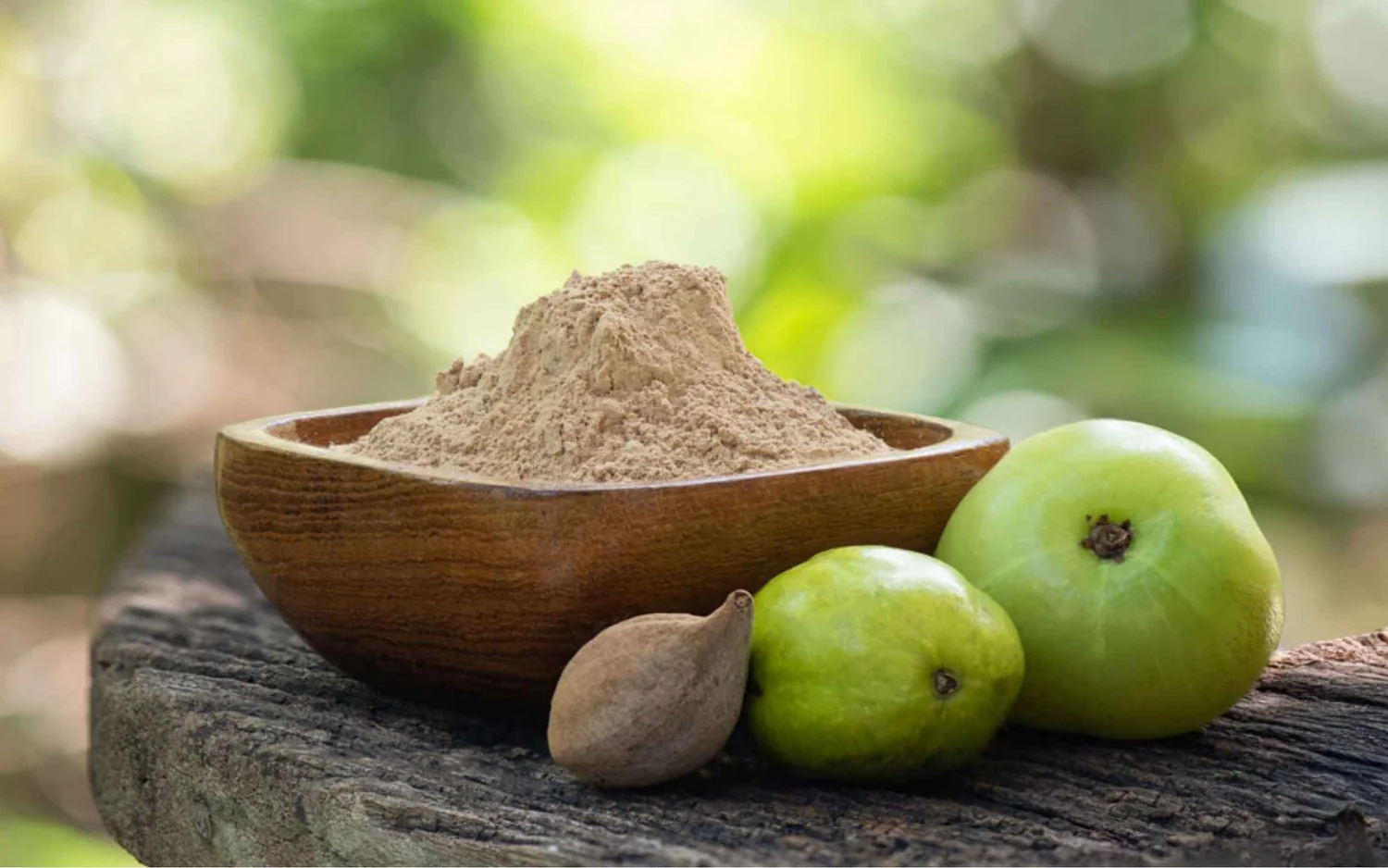
Triphala is a classical Ayurvedic polyherbal formulation composed of three fruits2:
- Emblica officinalis (Amalaki)
- Terminalia chebula (Haritaki)
- Terminalia bellirica (Bibhitaki)
Each component contributes synergistically to its lipid-lowering, antioxidant, and cardioprotective effects.
Major bioactive constituents:
Recent pharmacological studies identify key constituents including vitamin C, gallic acid, ellagic acid, chebulinic acid, tannins, flavonoids, and polyphenols. These compounds exhibit strong antioxidant, anti-inflammatory, and lipid-modulating properties.
Pathophysiology of dyslipidemia-associated hypertension
Lipid induced endothelial dysfunction:
Elevated LDL cholesterol promotes endothelial injury through oxidative modification and foam cell formation. This reduces nitric oxide availability and impairs vasodilation, leading to increased vascular resistance.
Oxidative stress and vascular inflammation:
Oxidized lipids stimulate reactive oxygen species production and activate inflammatory pathways such as NF-κB, resulting in cytokine release (TNF-α, IL-6) and vascular smooth muscle proliferation.
Arterial stiffness and vascular remodeling:
Chronic dyslipidemia leads to collagen deposition and reduced arterial elasticity, which increases systolic blood pressure and pulse pressure, contributing to isolated systolic hypertension.
Mechanisms of action of Triphala in dyslipidemia-associated hypertension
Lipid-lowering and antiatherogenic effects:
Recent experimental studies show that Triphala reduces total cholesterol, LDL, and triglycerides while increasing HDL levels. This effect is mediated through inhibition of cholesterol absorption, modulation of lipid metabolism enzymes, and improved hepatic clearance.
Antioxidant and free radical scavenging activity:
Triphala exhibits strong antioxidant potential by scavenging reactive oxygen species and enhancing endogenous antioxidant enzymes such as superoxide dismutase, catalase, and glutathione peroxidase. This reduces lipid peroxidation and protects vascular endothelium.
Endothelial protection and nitric oxide restoration:
Bioactive polyphenols in Triphala enhance endothelial nitric oxide synthase activity, improving nitric oxide bioavailability. This leads to improved vasodilation and reduction in peripheral vascular resistance.
Anti-inflammatory effects:
Triphala suppresses inflammatory mediators including TNF-α, IL-6, and COX-2 by inhibiting NF-κB signaling pathways. This reduces vascular inflammation and prevents progression of atherosclerosis-related hypertension.
Improvement in metabolic and vascular function:
Recent research suggests that Triphala improves insulin sensitivity, reduces oxidative stress–induced metabolic dysfunction, and enhances arterial compliance, thereby contributing to overall cardiovascular protection.
Experimental and preclinical evidence
Animal studies demonstrate that Triphala supplementation significantly reduces systolic and diastolic blood pressure in dyslipidemic and high-fat diet–induced hypertensive models. These effects are associated with reduced serum lipid levels, improved antioxidant status, and decreased vascular inflammation. In vitro studies further confirm inhibition of LDL oxidation and improved endothelial cell function.
Therapeutic role in dyslipidemia-associated hypertension
Adjunct in lipid-driven hypertension:
Triphala acts as a natural lipid-modulating agent that may help reduce blood pressure in patients with dyslipidemia-induced vascular dysfunction.3
Vascular protective phytotherapy:
Its antioxidant and anti-inflammatory actions protect vascular endothelium, making it useful in preventing progression of atherosclerosis-related hypertension.
Metabolic cardioprotective agent:
Triphala supports integrated metabolic regulation by improving lipid profile, reducing oxidative stress, and enhancing vascular elasticity, making it a promising adjunct in cardiometabolic syndrome management.
Clinical relevance and limitations
Although preclinical evidence is strong, large-scale randomized controlled clinical trials in dyslipidemia-associated hypertension remain limited. Variability in formulation standardization, dosage, and bioavailability are key challenges in clinical translation.
Conclusion
Triphala demonstrates significant therapeutic potential in dyslipidemia-associated hypertension through lipid-lowering, antioxidant, anti-inflammatory, and endothelial protective mechanisms. Its multi-targeted action on metabolic and vascular pathways supports its role as a promising adjunct in cardiometabolic hypertension management, although further clinical validation is required.
References:
- Abera A, Worede A, Hirigo AT, Alemayehu R, Ambachew S. Dyslipidemia and associated factors among adult cardiac patients: a hospital-based comparative cross-sectional study. Eur J Med Res. 2024;29(1):237. Published 2024 Apr 15. doi:10.1186/s40001-024-01802-x. https://pmc.ncbi.nlm.nih.gov/articles/PMC11017557/
- Bairwa VK, Kashyap AK, Meena P, Jain BP. Triphala's characteristics and potential therapeutic uses in modern health. Int J Physiol Pathophysiol Pharmacol. 2025;17(2):19-36. Published 2025 Apr 25. doi:10.62347/OBSS5026. https://pmc.ncbi.nlm.nih.gov/articles/PMC12089839/
- Phimarn W, Sungthong B, Itabe H. Effects of Triphala on Lipid and Glucose Profiles and Anthropometric Parameters: A Systematic Review. J Evid Based Integr Med. 2021;26:2515690X211011038. doi:10.1177/2515690X211011038. https://pmc.ncbi.nlm.nih.gov/articles/PMC8072855/