
Introduction
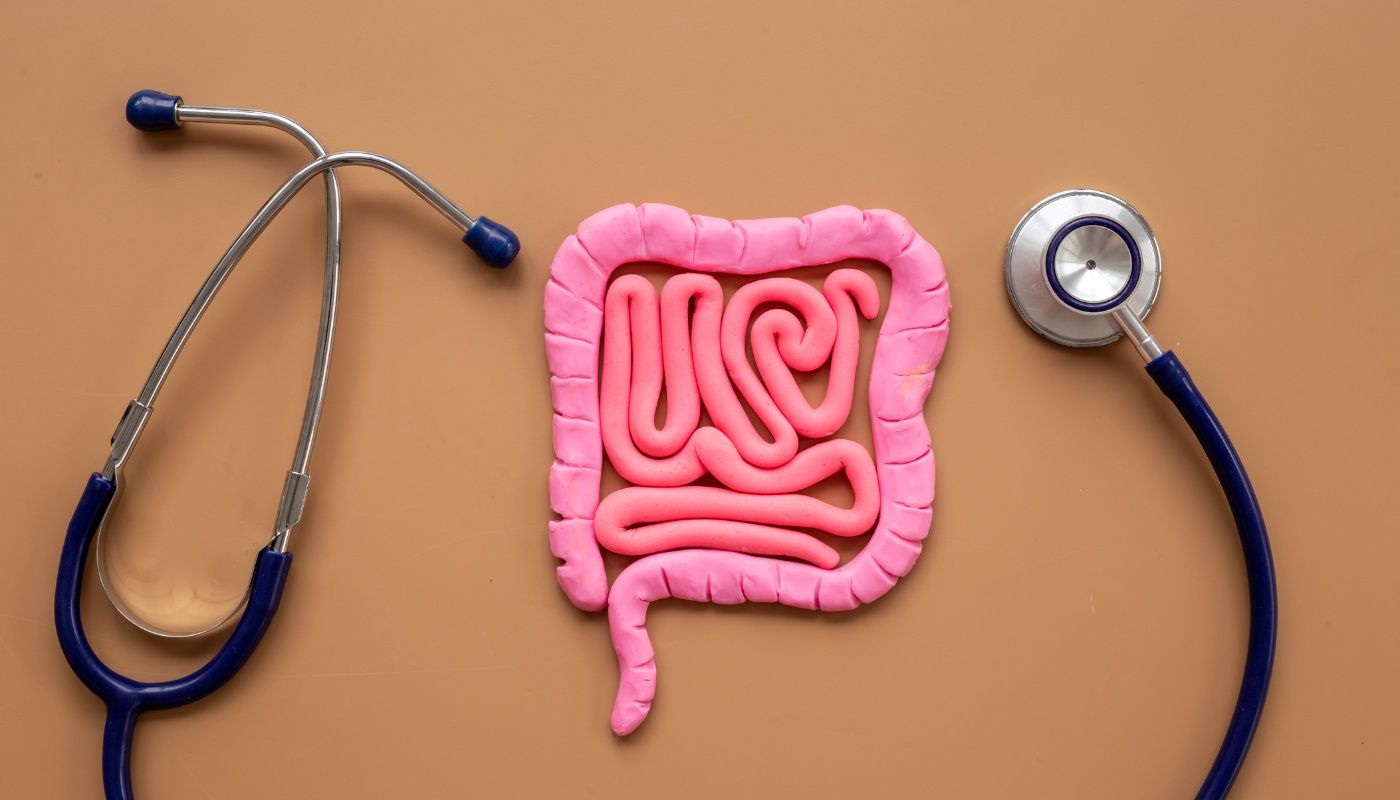
The human gastrointestinal tract harbours an exceptionally diverse and dense microbial ecosystem, comprising more than 100 trillion microorganisms and over 2000 species residing within the intestine. This gut microbiome encodes over three million genes and generates a vast array of metabolites that are essential for maintaining human health. It plays a central role in digestion, immune regulation, colonization resistance against pathogens, and the synthesis of vitamins and short-chain fatty acids (SCFAs). Contemporary evidence indicates that disturbances in microbial composition and function are closely associated with diseases such as inflammatory bowel disease, type II diabetes, and cardiovascular disorders.1 Restoration of microbial balance has been shown to prevent or ameliorate disease states by reshaping microbiome structure and activity.
The gut microbiome includes bacteria, viruses, fungi, and protozoa, and is essential for efficient nutrient digestion, absorption, and immune modulation. Notably, nearly 70% of the immune system is localized within the gut, highlighting its critical role in systemic immunity. Additionally, the gut–brain axis establishes a bidirectional communication pathway between intestinal microbes and the central nervous system, influencing mood, cognition, and behaviour. These interactions occur via microbial metabolites, immune mediators, and neural pathways, underscoring the systemic importance of gut microbial health.
Ayurvedic foundations of health and Trayopastambha
Ayurveda, an ancient Indian system of medicine, emphasizes holistic health through the integration of body, mind, and spirit. It is grounded in balancing the three Doshas—Vata, Pitta, and Kapha—along with individualized approaches to health maintenance.
- Central to Ayurvedic physiology is the concept of Trayopastambha, meaning the “three supporting pillars” of life, which include Aahara (diet), Nidra (sleep), and Brahmacharya (regulated lifestyle or moderation). These Upastambhas function as external regulators that sustain internal physiological systems (Stambhas). Any disruption in these pillars leads to systemic imbalance, while their proper maintenance preserves overall health and longevity.
- Charaka Samhita emphasizes that Trayopastambha supports strength, complexion, vitality, and immunity throughout life when practiced with wisdom (Yukti).
- Among them, Aahara is considered the primary pillar, followed by Nidra and Brahmacharya, all of which collectively maintain physiological equilibrium and disease resistance.
Aahara (diet) and gut microbiome regulation
In Ayurveda, Aahara is regarded as both nourishment and medicine.
- It must be tailored according to individual constitution (Prakriti), digestive capacity (Agni), and seasonal variations. Fresh, natural, and wholesome foods are emphasized, along with the inclusion of six tastes (Shadrasa) for balanced nutrition. The concept of food quantity (Ahara Matra) and quality, including meal timing, preparation, and compatibility, aligns with modern nutritional science focusing on macronutrient balance and metabolic regulation.
- Modern research supports that diet is one of the most powerful modulators of gut microbiome composition. Fiber-rich and plant-based diets promote microbial diversity and SCFA production, whereas processed foods and high-fat diets contribute to dysbiosis.
- Ayurvedic dietary principles, including Sattvic food consumption, may therefore promote beneficial microbial communities, enhance gut barrier integrity, and support immune homeostasis.
Nidra (sleep) and microbial homeostasis
Nidra is described in Ayurveda as a state in which sensory and mental activities are subdued, allowing restoration of physiological balance.
- It is classified into Satvika, Rajasika, and Tamasika forms based on doshic influences. Proper sleep is essential for tissue repair, metabolic balance, cognitive clarity, and emotional stability.
- Contemporary studies demonstrate that sleep quality significantly influences gut microbiome composition. Sleep deprivation and irregular sleep patterns alter microbial diversity and contribute to inflammatory states.
- Since a large proportion of immune regulation occurs in the gut, disrupted sleep may indirectly affect immune and metabolic functions through microbial dysregulation. Thus, Ayurvedic emphasis on regular sleep routines aligns with modern evidence linking circadian rhythm stability to microbiome health.
Brahmacharya (regulated lifestyle) and gut–brain–microbiome axis
Brahmacharya refers to disciplined and balanced living, encompassing control over sensory inputs, ethical conduct, and moderation in physical and mental activities.
- It includes adherence to daily and seasonal regimens (Dinacharya and Ritucharya), yoga, meditation, and regulated behavior.
- From a modern perspective, lifestyle factors such as stress, physical activity, and behavioural patterns strongly influence gut microbiota composition. Chronic stress and unhealthy habits are associated with dysbiosis and altered gut–brain signalling.
- The Ayurvedic principle of Brahmacharya supports mental discipline and lifestyle regulation, which may help stabilize the gut–brain–microbiome axis and promote systemic resilience.
Gut microbiome dynamics and disease implications
Dysbiosis, characterized by reduced microbial diversity, loss of beneficial bacteria, or overgrowth of pathogenic organisms, is associated with gastrointestinal disorders such as IBS, IBD, and celiac disease. It is also linked to metabolic disorders including obesity and type II diabetes, as well as autoimmune and neuropsychiatric conditions. The microbiome’s role in immune modulation, energy metabolism, and neurochemical signalling highlights its central role in disease pathogenesis and therapeutic targeting.
Conclusion
The concept of Trayopastambha provides a structured Ayurvedic framework that aligns closely with modern understanding of gut microbiome dynamics. Aahara influences microbial composition through diet-driven metabolic inputs, Nidra regulates circadian and immune interactions, and Brahmacharya stabilizes lifestyle-related influences on gut–brain communication. Together, these pillars support microbial equilibrium, metabolic health, and systemic homeostasis. Integrating Ayurvedic principles with microbiome science offers a promising avenue for preventive and personalized medicine aimed at optimizing gut health and reducing disease burden.2
References:
- Alagiakrishnan K, Morgadinho J, Halverson T. Approach to the diagnosis and management of dysbiosis. Front Nutr. 2024;11:1330903. Published 2024 Apr 19. doi:10.3389/fnut.2024.1330903 https://pmc.ncbi.nlm.nih.gov/articles/PMC11069313/
- Soman C, Marikutty TC. Ayurvedic insights into gut microbiome dynamics: a Trayopastambha perspective. J Ayurveda Integr Med Sci. 2024;9(7):109-118. https://jaims.in/jaims/article/view/3600