
Introduction
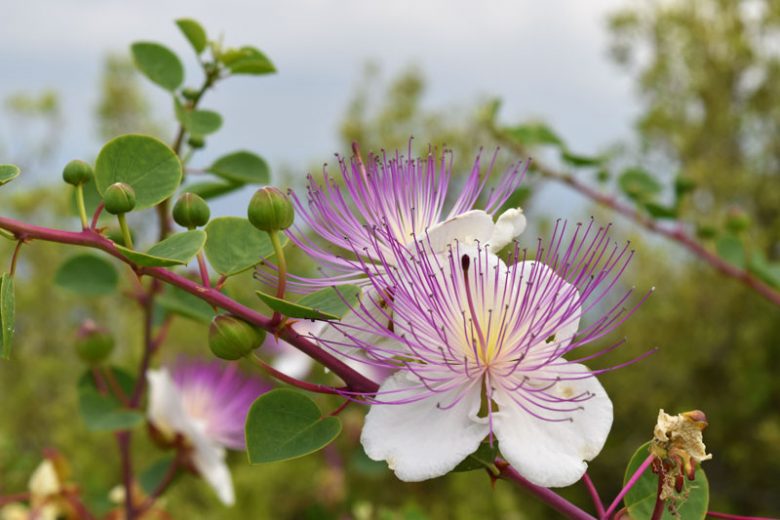
Diabetes mellitus is a chronic metabolic disorder characterized by persistent hyperglycemia resulting from impaired insulin secretion, insulin resistance, or both. The increasing global prevalence of type 2 diabetes mellitus (T2DM) has become a major public health concern due to its association with cardiovascular disease, nephropathy, neuropathy, retinopathy, and metabolic dysfunction-associated steatotic liver disease (MASLD). Alongside conventional therapies, growing attention has been directed toward medicinal plants with potential antidiabetic properties. Among these, Capparis spinosa L. (caper bush) has emerged as a promising functional food and medicinal plant due to its diverse bioactive compounds and metabolic benefits.
Native to the Mediterranean region and parts of Asia, Capparis spinosa has been traditionally used for various ailments, including metabolic and digestive disorders. Its fruits, roots, leaves, and flower buds contain numerous phytochemicals such as flavonoids, polyphenols, alkaloids, glucosinolates, and carotenoids, which contribute to its biological activities.1
Mechanisms underlying antidiabetic activity
Regulation of glucose metabolism:
One of the most important antidiabetic properties of Capparis spinosa is its ability to support glucose homeostasis. Bioactive compounds present in the plant are associated with improved glucose utilization and regulation of metabolic pathways involved in carbohydrate metabolism. These actions may contribute to maintaining healthy blood glucose levels.2
Improvement of insulin sensitivity
Insulin resistance is a central feature of type 2 diabetes and metabolic syndrome. Research suggests that Capparis spinosa may positively influence insulin signaling pathways and enhance tissue responsiveness to insulin. Improved insulin sensitivity supports efficient glucose uptake and utilization by peripheral tissues.3
Antioxidant activity
Oxidative stress plays a significant role in the development and progression of diabetes and its complications. The rich antioxidant content of Capparis spinosa, particularly flavonoids and phenolic compounds, helps neutralize reactive oxygen species and reduce oxidative damage. This antioxidant action supports pancreatic function and protects tissues from diabetes-related injury.
Anti-inflammatory effects
Chronic low-grade inflammation contributes to insulin resistance and metabolic dysfunction. Capparis spinosa contains bioactive compounds that modulate inflammatory pathways and support a balanced immune response. Reduction of inflammatory stress may improve metabolic regulation and overall glycemic control.
Lipid metabolism and metabolic health
Diabetes is frequently associated with dyslipidemia and obesity. Capparis spinosa has been reported to influence lipid metabolism and support metabolic balance. Improved lipid regulation may indirectly contribute to better glycemic management and reduced cardiometabolic risk.4
Clinical relevance
The multifunctional actions of Capparis spinosa make it a valuable plant in the context of metabolic health. Its potential benefits may be relevant in:
- Type 2 diabetes mellitus
- Prediabetes
- Insulin resistance
- Metabolic syndrome
- Obesity-associated metabolic dysfunction
- Dyslipidemia
As a functional food and medicinal plant, caper bush may complement lifestyle interventions such as dietary modification and regular physical activity.
Conclusion
Capparis spinosa is a medicinal plant with significant potential in diabetes management. Its antidiabetic effects are attributed to multiple mechanisms, including support of glucose metabolism, enhancement of insulin sensitivity, antioxidant protection, and modulation of inflammatory pathways. These properties make it a promising functional food and complementary therapeutic option for promoting metabolic health and reducing the burden of diabetes-related complications. Continued research is expected to further clarify its role in integrative diabetes care.
Reference:
- Eddouks M, Lemhadri A, Hebi M, et al. Capparis spinosa L. aqueous extract evokes antidiabetic effect in streptozotocin-induced diabetic mice. Avicenna J Phytomed. 2017;7(2):191-198. https://pmc.ncbi.nlm.nih.gov/articles/PMC5355824/
- Zhang H, Ma ZF. Phytochemical and Pharmacological Properties of Capparis spinosa as a Medicinal Plant. Nutrients. 2018;10(2):116. Published 2018 Jan 24. doi:10.3390/nu10020116 https://pmc.ncbi.nlm.nih.gov/articles/PMC5852692/
- Kooti W, Farokhipour M, Asadzadeh Z, Ashtary-Larky D, Asadi-Samani M. The role of medicinal plants in the treatment of diabetes: a systematic review. Electron Physician. 2016;8(1):1832-1842. Published 2016 Jan 15. doi:10.19082/1832 https://pmc.ncbi.nlm.nih.gov/articles/PMC4768936/
- HosseiniRavesh F, Ghalibaf AM, Askari VR, et al. Therapeutic potential of Capparis spinosa in experimental model of acute acetic acid-induced colitis: Anti-inflammatory and antioxidant effects. Heliyon. 2024;10(12):e32836. Published 2024 Jun 13. doi:10.1016/j.heliyon.2024.e32836 https://pmc.ncbi.nlm.nih.gov/articles/PMC11211893/