
Introduction
Metabolic dysfunction-associated steatotic liver disease (MASLD) is defined by hepatic steatosis in association with at least one metabolic condition, such as obesity, overweight status, T2DM mellitus (T2DM), or laboratory indicators of metabolic dysregulation. The term MASLD was introduced as a replacement for nonalcoholic fatty liver disease and reflects its strong association with systemic metabolic abnormalities. The incidence of MASLD has increased significantly in parallel with rising global prevalence of obesity, T2DM, and metabolic syndrome, establishing it as the most common chronic liver disease worldwide. It also represents a growing contributor to advanced liver conditions, including cirrhosis, liver failure, and hepatocellular carcinoma.1
Pathophysiology of MASLD
The pathogenesis of MASLD is complex and multifactorial, involving both environmental influences and genetic susceptibility. Hepatic steatosis primarily results from excessive accumulation of free fatty acids derived from systemic circulation and dietary intake, further intensified by increased de novo lipogenesis within hepatocytes.
Disease progression is driven by multiple interlinked mechanisms, including:
- Hepatic cellular stress responses
- Oxidative stress–mediated injury
- Mitochondrial dysfunction
- Activation of hepatic stellate cells
- Alterations in intestinal microbiota
These mechanisms collectively contribute to sustained hepatic inflammation, fibrosis progression, and ongoing liver damage.
Curcumin and hepatoprotective potential
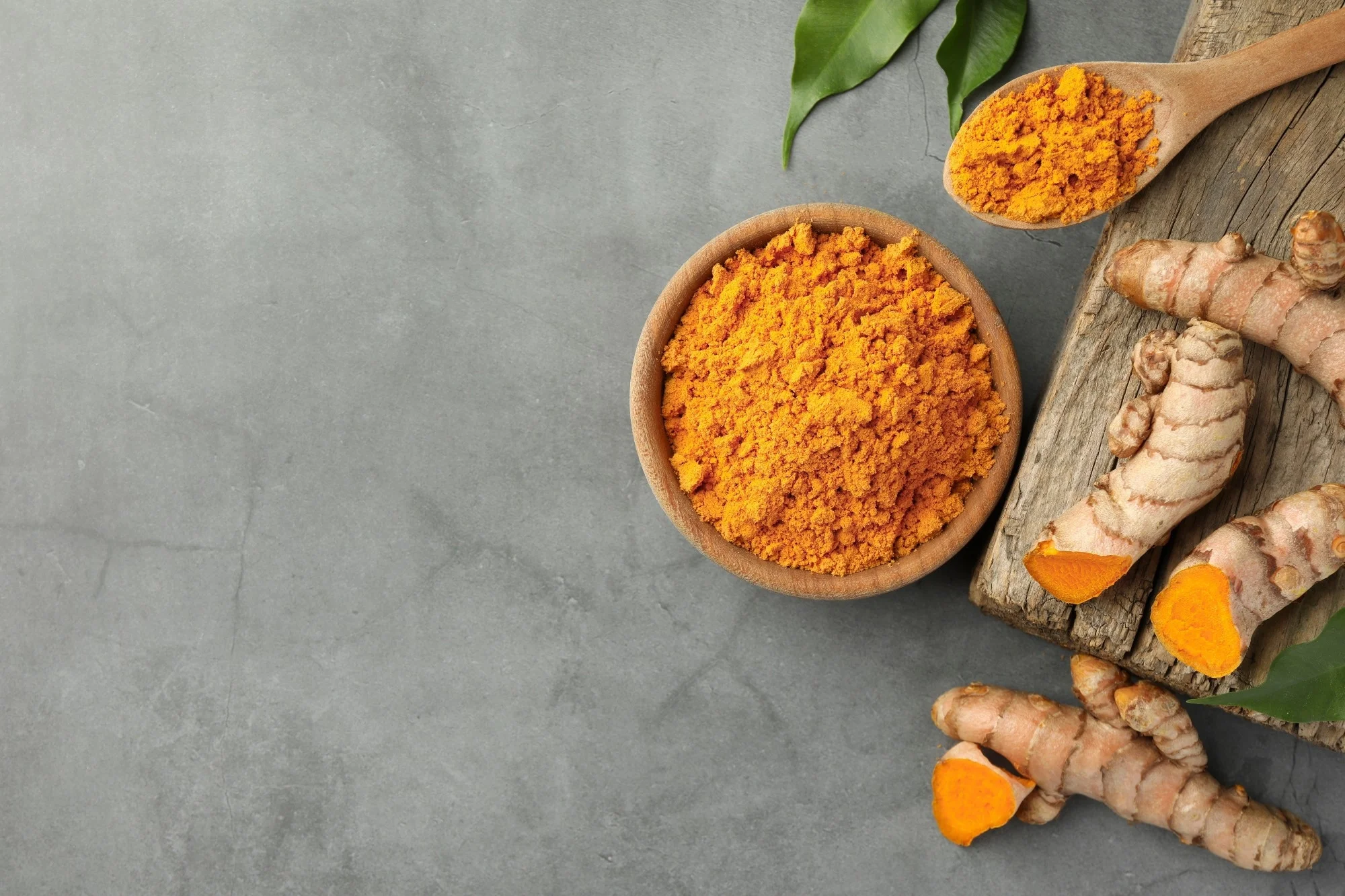
Curcumin, the principal curcuminoid of turmeric (Curcuma longa), is widely recognized for its antioxidant and anti-inflammatory properties. It has been identified as a bioactive compound with hepatoprotective potential due to its ability to modulate inflammatory pathways and oxidative stress responses. 2
Key biological properties of curcumin include:
- Antioxidant activity reducing oxidative hepatic injury
- Anti-inflammatory effects influencing hepatic and systemic inflammation
- Hepatoprotective action supporting liver function under metabolic stress
These properties position curcumin as a relevant phytochemical in the context of metabolic liver disorders such as MASLD.
Metabolic effects and clinical relevance
Curcumin and turmeric supplementation have been associated with improvements in key metabolic parameters, particularly in dysregulated glucose metabolism states. Usual effects include:
- Improvement in glycemic control markers
- Improvement in insulin resistance–related parameters
However, the overall metabolic response appears variable and may differ based on population characteristics, dosage, and formulation type. 3
Therapeutic considerations and variability
Although curcumin demonstrates promising hepatometabolic activity, its effects are not uniform across studies. Variability in outcomes is influenced by biological and pharmacological factors, including absorption, dosage range, and formulation differences. This highlights the need for context-specific application in metabolic and hepatic disorders.
Conclusion
MASLD represents a major global liver disorder strongly associated with metabolic dysfunction, particularly obesity and T2DM. Its multifactorial pathogenesis involves lipid accumulation, oxidative stress, mitochondrial dysfunction, and inflammatory activation. Curcumin (Curcuma longa) exhibits significant antioxidant and anti-inflammatory properties that support hepatoprotection and metabolic regulation. While its effects on glycemic and insulin resistance markers are promising, variability in outcomes underscores the need for further optimization in its therapeutic application for MASLD management. 4
References:
1. Rinella ME, Lazarus JV, Ratziu V, et al. A multisociety Delphi consensus statement on new fatty liver disease nomenclature. Hepatology. 2023;78(6):1966-1986. doi:10.1097/HEP.0000000000000520. https://pmc.ncbi.nlm.nih.gov/articles/PMC10653297/
2. Tang Y, Zheng S, Chen A. Curcumin eliminates leptin's effects on hepatic stellate cell activation via interrupting leptin signaling. Endocrinology. 2009;150(7):3011-3020. doi:10.1210/en.2008-1601. https://pmc.ncbi.nlm.nih.gov/articles/PMC2703516/
3. Yaikwawong M, Jansarikit L, Jirawatnotai S, Chuengsamarn S. Curcumin for Inflammation Control in Individuals with Type 2 Diabetes Mellitus and Metabolic Dysfunction-Associated Steatotic Liver Disease: A Randomized Controlled Trial. Nutrients. 2025;17(12):1972. Published 2025 Jun 10. doi:10.3390/nu17121972. https://pmc.ncbi.nlm.nih.gov/articles/PMC12196292/#ref-list1
4. Bahari H, Jazinaki MS, Asadi Z, Golafrouz H. Curcumin/Turmeric Supplementation on Glycemic Control in Adults With Prediabetes and Type 2 Diabetes: A Systematic Review and Dose-Response Meta-Analysis. Food Sci Nutr. 2026;14(4):e71748. Published 2026 Apr 16. doi:10.1002/fsn3.71748. https://pmc.ncbi.nlm.nih.gov/articles/PMC13087110/#fsn371748-sec-0001