
Introduction
Sarcopenia is characterised by progressive loss of muscle mass, accompanied by reduced muscle function and a decline in quality of life. The primary driver is ageing, although immobilisation, prolonged bed rest, denervation, inflammation, and cachexia also contribute to muscle atrophy. Given that prevention and treatment strategies for muscle wasting remain unresolved, the development of effective therapeutic approaches is considered essential.1
Pathophysiology of sarcopenia and oxidative stress involvement
- Sarcopenia results in progressive deterioration of muscle mass and function with functional disability
- Ageing is identified as the primary causative factor, with multiple secondary triggers including inactivity and systemic illness
- Oxidative stress plays a key role in initiation and progression of age-related sarcopenia
- Increased reactive oxygen species (ROS) production is observed in inactivity-induced muscle atrophy
- Antioxidant therapy has demonstrated effectiveness in reducing muscle wasting associated with oxidative stress
Botanical profile of Ricinus communis
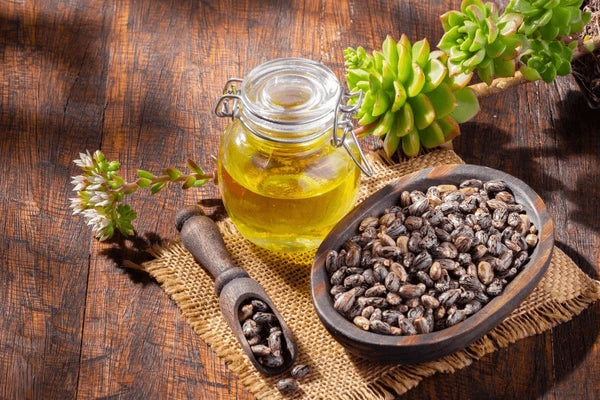
- Ricinus communis L. (castor plant) belongs to the Euphorbiaceae family
- It is native to Africa but is now widely distributed across tropical regions
- The plant is traditionally utilised in multiple forms, including oil, seeds, leaves, and aerial parts.2
Pharmacological properties and traditional uses
- Castor seed oil is used in traditional medicine as a laxative, purgative, and lubricant
- Seed extracts have been reported to exhibit antifertility activity
- However, castor seeds contain potent toxins including ricin, ricinine, and lectin
- Ricin is highly toxic, with as little as 500 μg potentially lethal to an adult human. 3
Leaf-based therapeutic relevance and antioxidant potential
- Unlike seeds, leaves of Ricinus communis are edible and consumed as a cooked vegetable
- Methanol extracts of leaves demonstrate antioxidant activity
- Aerial parts of the plant have also shown antioxidant potential in experimental studies
- Additional pharmacological activities include antifungal and antimicrobial effects 4
- These properties suggest a potential role in conditions associated with oxidative stress, including muscle degeneration
Clinical relevance and research implications
- Oxidative stress and ROS overproduction are key contributors to sarcopenia progression
- Antioxidant properties of plant-derived compounds may support therapeutic strategies targeting muscle wasting
- The contrasting toxicity of seeds versus the therapeutic potential of leaves highlights the importance of plant part-specific pharmacological evaluation
- Further exploration of antioxidant-rich plant extracts may support development of adjunct approaches for sarcopenia management
Conclusion
Sarcopenia represents a multifactorial degenerative condition strongly linked to ageing and oxidative stress. While therapeutic strategies remain limited, antioxidant interventions are emerging as a potential supportive approach. Ricinus communis demonstrates a dual pharmacological profile, with toxic seed components and bioactive antioxidant properties in leaves and aerial parts. This highlights its relevance as a candidate for further investigation in oxidative stress-related muscle degeneration and functional decline.5
References:
1. Walston JD. Sarcopenia in older adults. Curr Opin Rheumatol. 2012;24(6):623-627. doi:10.1097/BOR.0b013e328358d59b. https://pmc.ncbi.nlm.nih.gov/articles/PMC4066461/
2. Jeyaseelan EC, Jashothan PT. In vitro control of Staphylococcus aureus (NCTC 6571) and Escherichia coli (ATCC 25922) by Ricinus communis L. Asian Pac J Trop Biomed. 2012;2(9):717-721. doi:10.1016/S2221-1691(12)60216-0. https://pmc.ncbi.nlm.nih.gov/articles/PMC3609375/
3. Moshiri M, Hamid F, Etemad L. Ricin Toxicity: Clinical and Molecular Aspects. Rep Biochem Mol Biol. 2016;4(2):60-65. https://pmc.ncbi.nlm.nih.gov/articles/PMC4986263/
4. Iqbal J, Zaib S, Farooq U, Khan A, Bibi I, Suleman S. Antioxidant, Antimicrobial, and Free Radical Scavenging Potential of Aerial Parts of Periploca aphylla and Ricinus communis. ISRN Pharmacol. 2012;2012:563267. doi:10.5402/2012/563267. https://pmc.ncbi.nlm.nih.gov/articles/PMC3418662/
5. Lee H, Kim YI, Kim MJ, et al. Castor Oil Plant (Ricinus communis L.) Leaves Improve Dexamethasone-Induced Muscle Atrophy via Nrf2 Activation. Front Pharmacol. 2022;13:891762. Published 2022 Jul 5. doi:10.3389/fphar.2022.891762. https://pmc.ncbi.nlm.nih.gov/articles/PMC9294160/#s4