
Introduction
Polycystic Ovarian Syndrome (PCOS) is one of the most common endocrinopathies affecting 4-8% of women of reproductive age. It is characterized by hormonal imbalance, excess androgen production by the ovaries or adrenals, and the presence of ovarian cysts that interfere with normal ovarian function. Clinical manifestations often include infertility, ovulatory dysfunction, and reproductive challenges. Elevated luteinizing hormone levels and abnormal insulin regulation may further contribute to difficulties in conception and increased risk of miscarriage. 1
Understanding PCOS from an Ayurvedic perspective
Ayurveda does not describe PCOS as a single disease entity; however, its clinical manifestations can be understood through the involvement of various physiological and pathological mechanisms.
- The disorder is considered to be associated with disturbances in hormonal regulation and reproductive function.
- The root of the pathology can be linked to dysfunction involving the brain and the hypothalamic–pituitary–ovarian (H-P-O) axis.
- Stress is recognized as an important contributing factor, as it directly influences hormonal balance and may lead to anovulation, infertility, and endocrine disturbances.
- Alterations in hormonal regulation may manifest as abnormal GnRH pulse frequency, increased LH/FSH ratio, and excess androgen production from ovarian and adrenal sources. Role of stress in disease manifestation
Stress represents the cumulative physical, mental, and emotional strain experienced by an individual. Continuous exposure to stress can adversely affect neurohumoral, endocrine, and metabolic functions throughout the body.
- Stress contributes to hormonal imbalance and reproductive dysfunction.
- It influences the H-P-O axis and may aggravate endocrine abnormalities associated with PCOS.
- Effective management therefore requires not only addressing reproductive health but also regulating stress and restoring physiological balance.
Significance of Nasya therapy
Ayurvedic management of PCOS includes both Shodhana and Shamana Chikitsa. Commonly employed therapies include Niruha Basti, Anuvasana Basti, Virechana, Nasya, Uttara Basti, and Yonidhavana.
Among these, Nasya Karma holds particular importance because of its potential influence on both hormonal regulation and stress management.
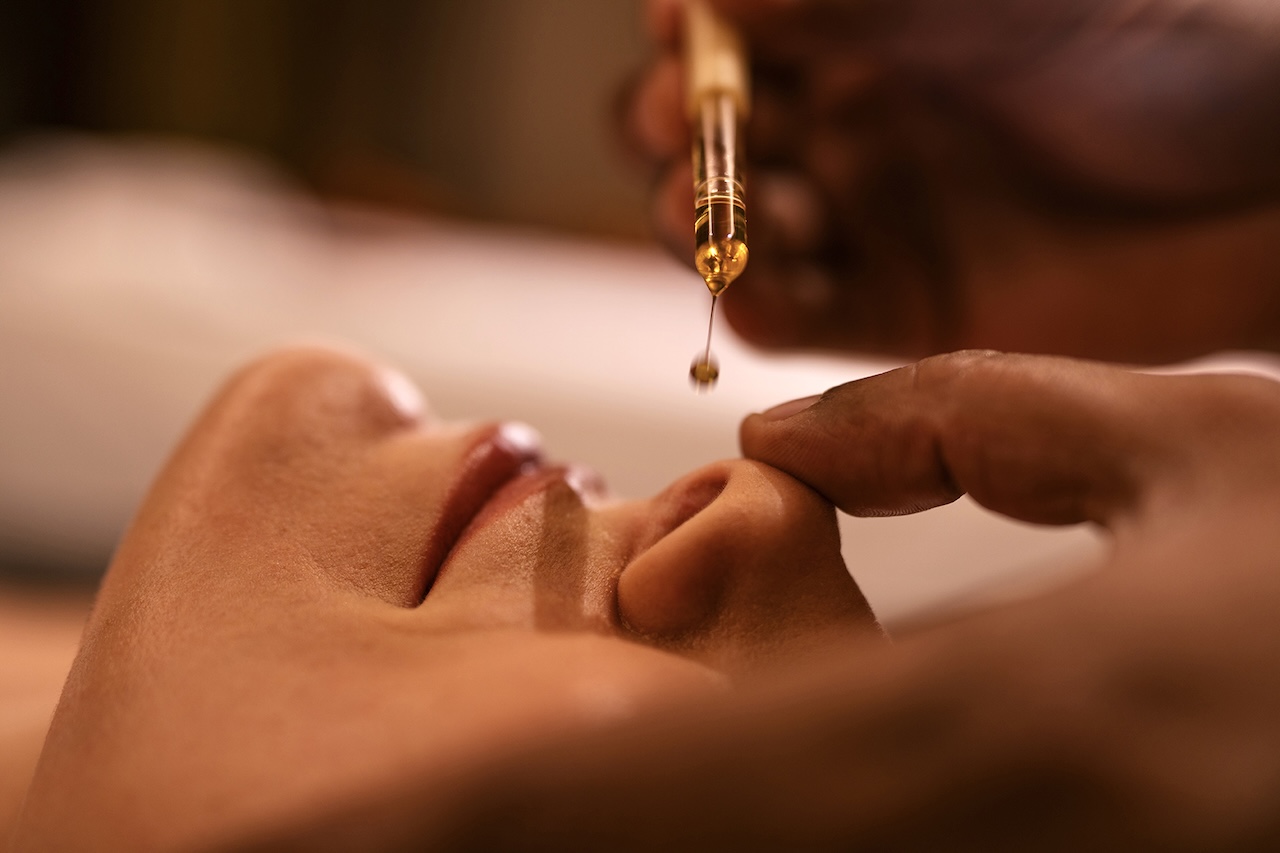
- Nasya involves administration of medicated substances through the nasal route.
- Ayurveda describes the nose as the gateway to the head through the principle “Nasa hi Shirso Dwaram.”
- Medicines administered through the nostrils are believed to reach Shringataka Marma, thereby influencing structures within the head region.
- Nasya helps eliminate morbid Doshas and supports the normal functioning of the nervous and endocrine systems.
- Brihana Nasya provides nourishment to the nervous system and may help reduce stress, tension, and associated physiological disturbances.
Conclusion
Nasya Karma represents an important Ayurvedic therapeutic approach in the management of PCOS. By addressing stress-related endocrine dysfunction and supporting the normal functioning of the nervous and hormonal systems, Nasya offers a holistic strategy aimed at restoring physiological balance. Its dual role in managing both hormonal imbalance and stress highlights its relevance in the Ayurvedic management of PCOS. 2
References:
1. Sirmans SM, Pate KA. Epidemiology, diagnosis, and management of polycystic ovary syndrome. Clin Epidemiol. 2013;6:1-13. Published 2013 Dec 18. doi:10.2147/CLEP.S37559. https://pmc.ncbi.nlm.nih.gov/articles/PMC3872139/
2. Amrutkar P, Marathe A. Review on efficacy of Nasya Karma in PCOS. International Journal of AYUSH. 2021;10(1):32-38. https://internationaljournal.org.in/journal/index.php/ijayush/article/view/386