
Introduction
Diabetes mellitus is a major global public health concern, affecting nearly 10% of the population worldwide and is often regarded as the “third killer.” It is a chronic metabolic disorder characterized by disturbances in glucose homeostasis and long-term systemic complications. In this context, dietary interventions and plant-based therapeutics have gained significant attention, particularly fruit-derived bioactive compounds with antioxidant and metabolic regulatory properties. Fruits are essential components of a healthy diet due to their rich content of fiber, vitamins, minerals, phenolic compounds, phytochemicals, and antioxidants that contribute to multiple health-promoting effects.
Botanical and nutritional profile of jamun
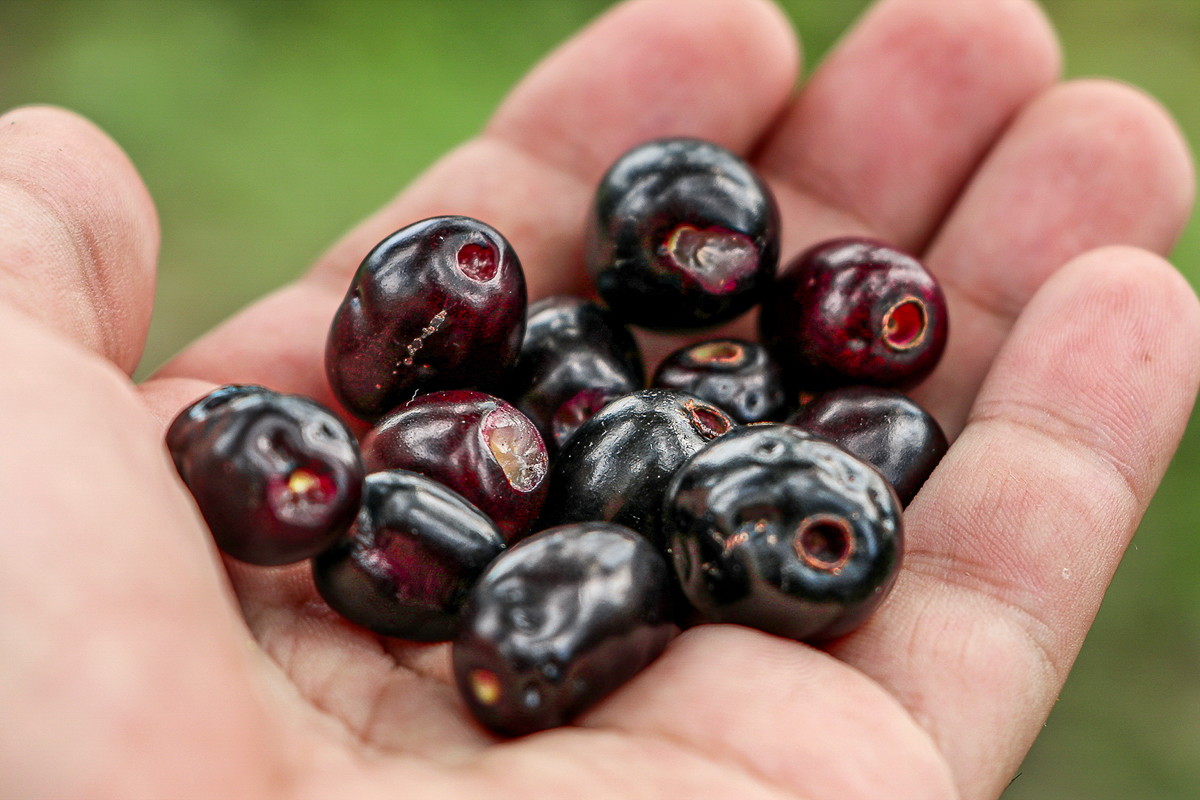
Syzygium cumini (Jamun), a member of the Myrtaceae family, is native to the Indian subcontinent and widely cultivated across Asian countries such as India, Pakistan, Bangladesh, and Sri Lanka. The fruit is traditionally recognized for its nutritional and medicinal significance and is commonly used in dietary and therapeutic practices.
Jamun contains a wide spectrum of bioactive constituents, including:
- Flavonoids
- Alkaloids
- Terpenoids
- Tannins
- Phenolic compounds
- Lipids
This rich phytochemical composition contributes to its nutritional value and therapeutic potential, particularly in metabolic and oxidative stress–related conditions.
Antidiabetic and pharmacological properties
Jamun has been traditionally used as an adjuvant in the management of type 2 diabetes mellitus. Its antidiabetic potential is primarily attributed to the presence of anthocyanins and ellagic acid, which are known to influence carbohydrate metabolism by inhibiting the conversion of starch into glucose, thereby contributing to glycemic regulation.
Key functional properties of Syzygium cumini include:
- Antidiabetic activity through modulation of glucose metabolism
- Antioxidant effects that reduce oxidative stress
- Anti-inflammatory properties supporting systemic metabolic balance
- Traditional use in managing fever and inflammatory conditions
In addition, different parts of the plant—including leaves, fruits, seeds, and bark—have been analyzed for their essential oil composition, demonstrating variation in bioactive profiles and therapeutic potential across plant components. 1
Functional food applications and value addition
Beyond its medicinal use, jamun has gained attention for its application in functional food development due to its unique flavor and health benefits. Its pulp is being utilized in the preparation of value-added products with enhanced nutritional profiles, including:
- Jam
- Fruit leather
- Ready-to-serve beverages
- Squash
Ready-to-serve formulations also offer advantages in extending the shelf life of this highly perishable fruit while maintaining its nutritional and therapeutic value.
Research considerations and limitations
Although jamun-based formulations demonstrate promising anti-inflammatory, antioxidant, and hypoglycemic properties, current evidence is largely derived from preclinical models. Translational applicability to human populations remains limited. Additionally, the molecular mechanisms underlying its glucose-lowering and tissue-protective effects are not yet fully elucidated and require further scientific exploration. 2
Conclusion
Syzygium cumini (Jamun) represents a nutritionally rich and pharmacologically significant fruit with strong relevance in diabetes mellitus management. Its diverse phytochemical composition supports antioxidant, anti-inflammatory, and antidiabetic effects, while its application in functional foods enhances its therapeutic utility. However, further mechanistic and clinical investigations are required to fully validate its role in human metabolic health.
References:
1. Abdelazim EB, Abed T, Goher SS, et al. In vitro and in vivo studies of Syzygium cumini-loaded electrospun PLGA/PMMA/collagen nanofibers for accelerating topical wound healing. RSC Adv. 2024;14(1):101-117. Published 2024 Jan 2. doi:10.1039/d3ra06355k. https://pmc.ncbi.nlm.nih.gov/articles/PMC10758764/
2. Saeed H, Shabbir MA, Rafi A, et al. Assessment of Diabetes Mellitus Retrieving Potential of Low Caloric Jamun (Syzygium cumini) Drink Through Animal Modeling. Food Sci Nutr. 2025;13(5):e70251. Published 2025 May 5. doi:10.1002/fsn3.70251. https://pmc.ncbi.nlm.nih.gov/articles/PMC12053304/#fsn370251-sec-0014