
Introduction
Neurovascular basis of hypertension
Neurovascular hypertension is characterized by dysregulation of neural control of vascular tone, endothelial dysfunction, and impaired cerebrovascular and systemic vascular regulation. Recent studies highlight that chronic stress, sympathetic overactivity, oxidative stress, and neuroinflammation collectively contribute to vascular remodeling and sustained elevation of blood pressure. Emerging evidence also suggests that neurovascular coupling abnormalities play an important role in both central and peripheral hypertension, linking brain–vascular interactions with cardiovascular dysfunction.
Botanical and phytochemical profile
Overview of Shankhapushpi:
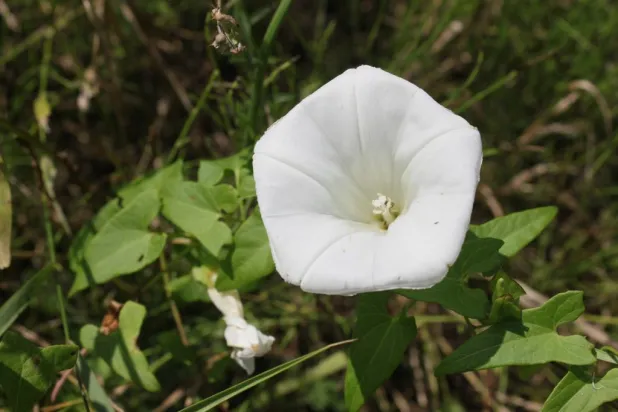
Convolvulus pluricaulis, commonly known as Shankhapushpi, is a perennial creeping herb belonging to the Convolvulaceae family. It is widely distributed in India and traditionally used as a medhya rasayana (cognitive enhancer) in Ayurveda.1
Major bioactive constituents:
The plant contains alkaloids (convolvine, convolamine), flavonoids (quercetin, kaempferol), coumarins (scopoletin), and glycosides. These phytoconstituents contribute to neuroprotective, antioxidant, anxiolytic, and vasomodulatory actions, which are increasingly recognized in recent pharmacological studies.
Pathophysiology of neurovascular hypertension
Neurogenic mechanisms:
Neurovascular hypertension is strongly associated with heightened sympathetic nervous system activity, increased catecholamine release, and hypothalamic–pituitary–adrenal (HPA) axis dysregulation. These factors lead to persistent vasoconstriction, increased heart rate, and elevated systemic vascular resistance.
Vascular and endothelial dysfunction:
Oxidative stress and chronic inflammation impair endothelial nitric oxide production, resulting in reduced vasodilation and increased arterial stiffness. This endothelial dysfunction is a central mechanism linking neurogenic stress responses to sustained hypertension.
Neurovascular coupling impairment:
Recent research emphasizes that altered neurovascular coupling—imbalance between neuronal activity and vascular response—may contribute to both cerebral and systemic vascular dysregulation, reinforcing hypertensive pathology.
Mechanisms of action of Convolvulus pluricaulis in neurovascular hypertension
Antioxidant and neurovascular protection:
Convolvulus pluricaulis exhibits strong free radical scavenging activity, reducing reactive oxygen species (ROS) and lipid peroxidation.2 This protects both neuronal tissue and vascular endothelium from oxidative injury, a key driver of neurovascular hypertension.
Modulation of sympathetic overactivity:
Experimental studies indicate that its bioactive compounds exert mild CNS depressant and anxiolytic effects, leading to reduced sympathetic discharge. This contributes to decreased peripheral vascular resistance and stabilization of blood pressure.
Endothelial nitric oxide enhancement:
Flavonoids and phenolic compounds enhance endothelial nitric oxide synthase (eNOS) activity, improving nitric oxide bioavailability. This promotes vasodilation and restores vascular responsiveness in hypertensive states.
Anti-inflammatory effects:
Shankhapushpi suppresses pro-inflammatory mediators such as TNF-α, IL-6, and COX-2, thereby reducing vascular inflammation and preventing progression of endothelial dysfunction and arterial stiffness.
Neuroprotective and cognitive regulation:
Recent preclinical studies suggest that the herb improves cholinergic transmission and reduces neurodegenerative stress, thereby stabilizing central autonomic regulation. This central neuroprotective action indirectly supports cardiovascular homeostasis.
Experimental and preclinical evidence
Animal models of stress-induced and neurogenic hypertension demonstrate that Convolvulus pluricaulis significantly reduces systolic and diastolic blood pressure. These effects are associated with reduced oxidative stress markers, improved antioxidant enzyme activity, and attenuation of sympathetic hyperactivity. In vitro studies also confirm vasorelaxant activity through endothelium-dependent and independent pathways.
Therapeutic role in neurovascular hypertension
Adjunct in stress-related hypertension:
Due to its anxiolytic and adaptogenic properties, Shankhapushpi may be particularly useful in stress-induced or neurogenic hypertension where psychological stress is a major contributor.
Vascular protective agent:
Its antioxidant and endothelial stabilizing effects support vascular health by reducing stiffness, improving compliance, and restoring normal vascular tone.
Neurocardiovascular stabilizer:
By modulating central neurotransmitters and autonomic output, it provides a dual neurovascular regulatory effect,3 making it a potential adjunct in integrative hypertension management.
Clinical relevance and limitations
Although preclinical and traditional evidence supports its use, large-scale randomized clinical trials in neurovascular hypertension remain limited. Variability in phytochemical composition and lack of standardized extracts are major challenges for clinical translation.
Conclusion
Convolvulus pluricaulis demonstrates significant potential in neurovascular hypertension through antioxidant, anxiolytic, neuroprotective, and vasodilatory mechanisms. Its dual action on central nervous system regulation and vascular endothelial function positions it as a promising adjunct in managing neurogenic and stress-associated hypertension, although further clinical validation is required.
References:
- Balkrishna A, Thakur P, Varshney A. Phytochemical Profile, Pharmacological Attributes and Medicinal Properties of Convolvulus prostratus - A Cognitive Enhancer Herb for the Management of Neurodegenerative Etiologies. Front Pharmacol. 2020;11:171. Published 2020 Mar 3. doi:10.3389/fphar.2020.00171. https://pmc.ncbi.nlm.nih.gov/articles/PMC7063970/
- Rachitha P, Krupashree K, Jayashree GV, et al. Chemical composition, antioxidant potential, macromolecule damage and neuroprotective activity of Convolvulus pluricaulis. J Tradit Complement Med. 2018;8(4):483-496. Published 2018 Feb 7. doi:10.1016/j.jtcme.2017.11.002. https://pmc.ncbi.nlm.nih.gov/articles/PMC6174265/
- Mitra S, Kumar A, Pandey M, et al. Convolvulus pluricaulis confers antidepressant and antioxidant effects through conserved metabolic and molecular pathways in Drosophila. iScience. 2025;29(1):114296. Published 2025 Dec 1. doi:10.1016/j.isci.2025.114296. https://pmc.ncbi.nlm.nih.gov/articles/PMC12834108/