
Introduction
Non alcoholic fatty liver disease spectrum:
Non-alcoholic fatty liver disease (NAFLD) represents a broad clinicopathological spectrum ranging from simple steatosis to non-alcoholic steatohepatitis (NASH), progressive fibrosis, and cirrhosis. It is characterized by hepatic fat accumulation exceeding 5% in the absence of significant alcohol intake or alternative secondary causes. NASH, a progressive and clinically significant subset of NAFLD, is defined by ≥5% steatosis associated with hepatocellular ballooning, inflammation, and variable fibrosis.
Epidemiology and disease burden
The prevalence of NAFLD in India is estimated at approximately 17% by ultrasonography, while global MRI-based studies report rates up to 31%. About 90% of NAFLD cases remain simple steatosis, whereas 10–30% progress to NASH, and a substantial proportion may advance to fibrosis and cirrhosis. NASH is most commonly observed in individuals aged 35–55 years and is frequently associated with metabolic risk factors such as obesity and insulin resistance. Importantly, NASH cirrhosis carries an increased risk of hepatocellular carcinoma and liver-related mortality.
Etiology and risk factors
The exact etiology of NASH is multifactorial and incompletely understood. Key contributing mechanisms include insulin resistance, oxidative stress, lipotoxicity, and inflammatory cytokine release from adipose tissue. Drug-induced, dietary, and metabolic factors also contribute. Commonly implicated medications include methotrexate, tamoxifen, valproate, and certain antiretroviral agents. Histologically, NASH is characterized by macrovesicular steatosis, hepatocyte ballooning, lobular inflammation, and pericellular fibrosis in zone 3.
Clinical features and progression
NASH is strongly associated with type 2 diabetes mellitus, central obesity, dyslipidemia, and insulin resistance. Clinical presentation ranges from asymptomatic disease to fatigue, weakness, weight loss, and progression to cirrhosis. The rising prevalence of obesity and diabetes globally is expected to increase disease burden significantly.
Diagnostic considerations and limitations
Liver biopsy remains the gold standard for diagnosing and staging NASH but is limited by invasiveness, sampling variability, and procedural risks. Non-invasive markers such as AST/platelet ratio index, FibroTest, and serum biomarkers provide indirect assessment but lack complete accuracy. Imaging modalities like ultrasonography and CT are sensitive for steatosis but cannot reliably distinguish NASH from simple fatty liver.
Role of transient elastography
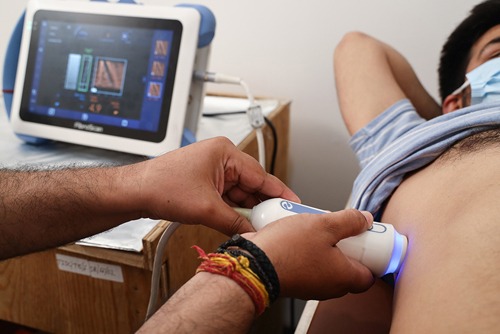
Transient elastography is a widely accepted non-invasive tool for assessing liver stiffness and fibrosis. According to EASL–ALEH guidelines, it serves as a first-line method for fibrosis risk stratification. Liver stiffness increases due to extracellular matrix changes and stellate cell activation, even before overt fibrosis. However, values may be influenced by inflammation, edema, and cholestasis. In NAFLD, liver stiffness cut-off values vary, with NASH typically showing intermediate elevation consistent with early fibrotic changes.
Ayurvedic correlation
From an Ayurvedic perspective, NASH closely resembles Kaphaja Yakrut Roga, characterized by agnimandya, kapha-pitta imbalance, heaviness, anorexia, and hepatic enlargement. Clinical features such as fatigue, abdominal discomfort, and impaired digestion correspond to Ayurvedic descriptions of metabolic and hepatic dysfunction.
Therapeutic gap and rationale
Currently, no FDA or EMA-approved pharmacotherapy exists for NASH. Management primarily relies on lifestyle modification, including weight reduction, dietary control, and physical activity. Ayurveda offers hepatoprotective formulations with potential metabolic benefits. Katukyadi Churna, containing multiple tikta rasa-dominant herbs with hepatotrophic properties, has shown promising clinical outcomes in liver disorders, forming the basis for its evaluation in NASH.
Mechanistic basis of Katukyadi Churna:
The therapeutic effects of Katukyadi Churna may be attributed to its combined hepatoprotective, antioxidant, anti-inflammatory, and lipid-modulating properties.1 Ingredients such as Picrorhiza kurroa, Azadirachta indica, Tinospora cordifolia, Eclipta alba, and Phyllanthus niruri contribute bioactive compounds including picrosides, flavonoids, and alkaloids that regulate oxidative stress, lipid metabolism, and inflammatory pathways.
Insights from a recent clinical study
Clinical outcomes and elastographic improvement:
Katukyadi Churna demonstrated significant improvement in hepatic stiffness values on transient elastography, indicating reversal toward near-normal liver parameters. This was accompanied by improvement in gastrointestinal symptoms such as agnimandya, ajeerna, and aruchi, along with reductions in body weight, BMI, and liver enzymes (ALT, AST), bilirubin, albumin, and triglycerides.
Patient characteristics and disease profile:
Most participants presented with grade II fatty liver, followed by grade I cases, with disease duration of 2–3 years. The cohort predominantly consisted of middle-aged individuals, with a slight female preponderance. Lifestyle factors such as sedentary behavior, irregular dietary patterns (vishamashana, adhyashana), and consumption of abhishyandi and guru ahara were common, contributing to metabolic dysfunction consistent with Kaphaja Yakrut Roga.
Ayurvedic pathophysiological interpretation:
The observed clinical pattern can be explained by agnimandya leading to ama formation, followed by kapha and pitta vitiation in yakrut and annavaha srotas. This results in fat accumulation, srotorodha, and metabolic impairment, manifesting as NASH. Subclinical hepatic stiffness detected on elastography correlates with early kapha dominance prior to overt fibrosis.
Improvement in metabolic and liver parameters following treatment with Katukyadi Churna:
Significant reductions in BMI, weight, and triglycerides suggest improved lipid metabolism and insulin sensitivity. Normalization of ALT and AST reflects hepatocellular recovery, while improved albumin levels indicate restored synthetic liver function. These outcomes align with experimental evidence supporting hepatoprotective and anti-steatotic actions of constituent herbs.2
Comparative therapeutic relevance
Unlike conventional pharmacotherapy, which lacks approved agents for NASH, herbal formulations and complementary systems have shown variable benefit. Katukyadi Churna demonstrates multi-target activity comparable to reported polyherbal and nutraceutical interventions in NAFLD/NASH management.3
Conclusion
Katukyadi Churna demonstrated significant improvement in both clinical and elastographic parameters in patients with NASH, along with favorable changes in liver function and metabolic profiles. These findings suggest potential therapeutic benefit in early and moderate stages of disease. However, larger randomized controlled trials with histopathological correlation are required to confirm efficacy and establish clinical applicability.
References:
- Raut A, Dhami-Shah H, Phadke A, et al. Picrorhiza kurroa, Royle ex Benth:Traditional uses, phytopharmacology, and translational potential in therapy of fatty liver disease. J Ayurveda Integr Med. 2023;14(1):100558. doi:10.1016/j.jaim.2022.100558. https://pmc.ncbi.nlm.nih.gov/articles/PMC10105242/
- Sahu AK, Upadhyay A, Bhakuni H, Attanayake AMHS, Sharma P. Effect of Ayurveda interventions in non-alcoholic grade II fatty liver associated with obesity - A case report. J Ayurveda Integr Med. 2022;13(3):100605. doi:10.1016/j.jaim.2022.100605. https://pmc.ncbi.nlm.nih.gov/articles/PMC9307675/
- Tarapure S, Tubaki BR, Khot S. Elastographic liver evaluation of Katukyadi churna in the management of Non-Alcoholic Steatohepatitis (NASH) - A single arm clinical trial. J Ayurveda Integr Med. 2021;12(1):136-142. doi:10.1016/j.jaim.2020.12.015. https://pmc.ncbi.nlm.nih.gov/articles/PMC8039359/