
Introduction
Medicinal plants have long played a significant role in disease prevention and treatment. Natural products continue to attract considerable attention because of their therapeutic potential, affordability, and comparatively lower adverse effects. Many pharmacologically active compounds used in healthcare originate from medicinal plants and contribute to disease management through antioxidant activity, inhibition of microbial growth, and modulation of biological pathways. The growing interest in plant-based therapeutics reflects their broad applicability across a range of clinical conditions. 1
Therapeutic importance of Neem
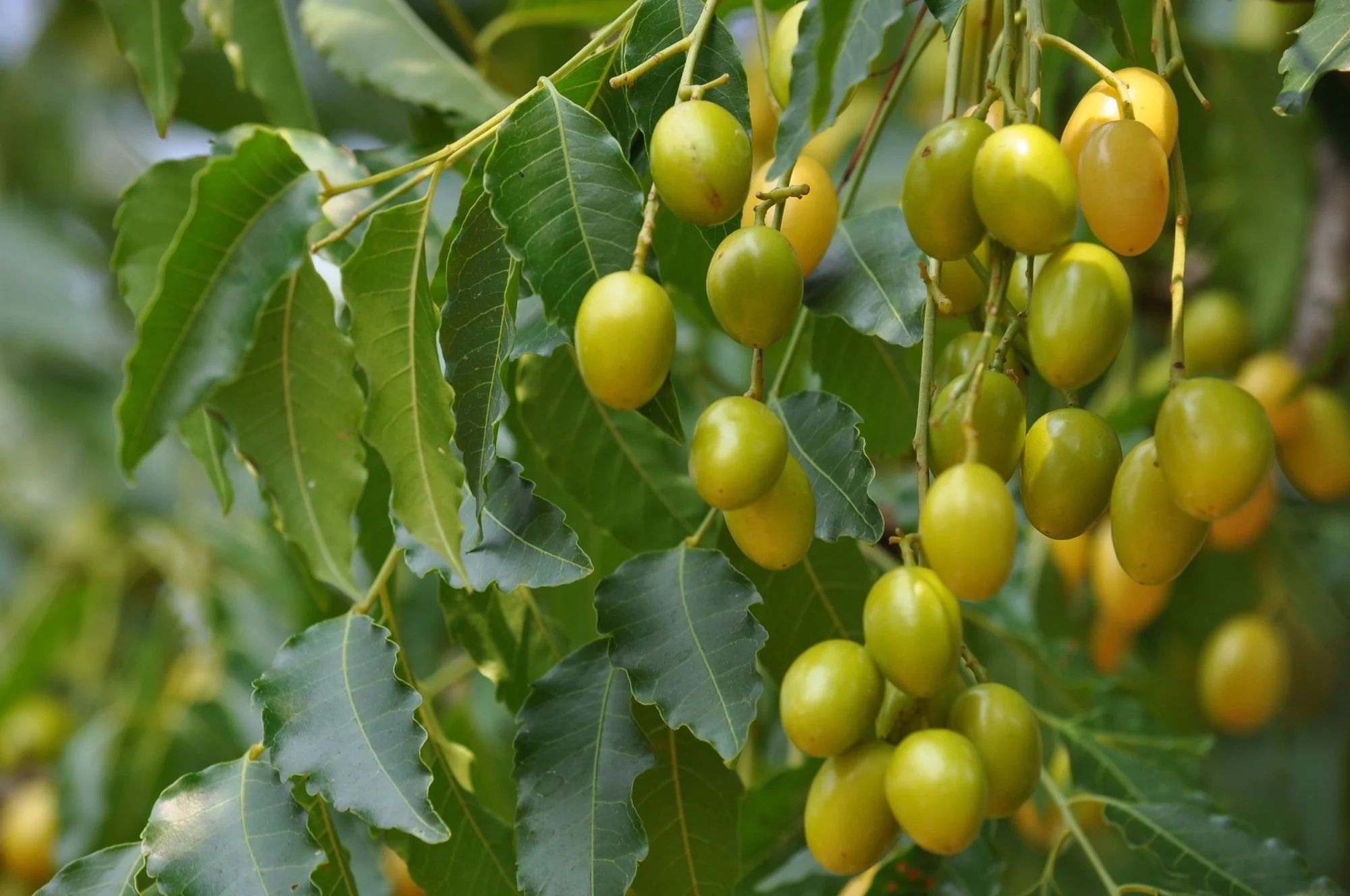
Neem (Azadirachta indica), a member of the Meliaceae family, is one of the most widely recognized medicinal plants in traditional healthcare systems. It is extensively used in Ayurveda, Unani, Homeopathy, and modern medicine for the management of various infectious, metabolic, and neoplastic disorders.
The therapeutic value of Neem is attributed to its diverse bioactive constituents, which contribute to its broad spectrum of pharmacological activities. Its long-standing use in traditional medicine highlights its importance as a versatile medicinal resource. 2
Bioactive constituents and pharmacological actions
Neem contains a complex mixture of biologically active compounds, including:
- Nimbin
- Nimbidin
- Nimbolide
- Limonoids
- Quercetin
- β-sitosterol
These constituents are believed to exert therapeutic effects through modulation of various biological and genetic pathways. Quercetin and β-sitosterol, among the first polyphenolic flavonoids isolated from fresh Neem leaves, are recognized for their antifungal and antibacterial properties.
The pharmacological profile of Neem encompasses multiple activities, including:
- Antibacterial effects
- Antifungal effects
- Anti-inflammatory actions
- Antiarthritic activity
- Antipyretic effects
- Hypoglycemic activity
- Anti-gastric ulcer potential
- Antitumor properties
Such diverse biological actions contribute to the widespread therapeutic application of Neem across different disease states.
Role in disease prevention and health promotion
The increasing global acceptance of natural products has reinforced the importance of Neem in preventive and therapeutic healthcare. Traditional use has supported its role in maintaining health and managing various disorders, particularly within the Indian subcontinent.
The active constituents of Neem are associated with protective effects that extend beyond symptomatic management. Their influence on cellular signaling pathways contributes to broader health-promoting actions, including support against disease progression and maintenance of physiological balance. The chemopreventive potential of Neem has also been linked to its ability to modulate multiple biological pathways involved in cellular function and regulation.
Conclusion
Neem remains one of the most valuable medicinal plants in traditional and contemporary healthcare systems. Its rich composition of bioactive compounds contributes to a wide range of antibacterial, antifungal, anti-inflammatory, metabolic, and protective effects. Through its diverse pharmacological actions and long history of therapeutic use, Neem continues to hold significant relevance in disease prevention, health promotion, and integrative clinical practice. 3
References:
1. Zong A, Cao H, Wang F. Anticancer polysaccharides from natural resources: a review of recent research. Carbohydr Polym. 2012;90(4):1395-1410. doi:10.1016/j.carbpol.2012.07.026. https://linkinghub.elsevier.com/retrieve/pii/S0144-8617(12)00682-0
2. Brahmachari G. Neem--an omnipotent plant: a retrospection. Chembiochem. 2004;5(4):408-421. doi:10.1002/cbic.200300749. https://chemistry-europe.onlinelibrary.wiley.com/doi/10.1002/cbic.200300749
3. Bandyopadhyay U, Biswas K, Sengupta A, et al. Clinical studies on the effect of Neem (Azadirachta indica) bark extract on gastric secretion and gastroduodenal ulcer. Life Sci. 2004;75(24):2867-2878. doi:10.1016/j.lfs.2004.04.050. https://linkinghub.elsevier.com/retrieve/pii/S0024-3205(04)00687-3