
Introduction
Non-alcoholic fatty liver disease (NAFLD) is a progressive metabolic liver disorder characterized by excessive fat accumulation in hepatocytes in the absence of significant alcohol intake. It is strongly associated with obesity, insulin resistance, dyslipidemia, and sedentary lifestyle, and represents the hepatic manifestation of metabolic syndrome. From an Ayurvedic perspective, NAFLD closely resembles Yakrit Roga and conditions arising from Medo Dhatu Dushti (disordered lipid metabolism), Agnimandya (impaired digestive fire), and Kapha–Meda vitiation, leading to abnormal fat deposition and impaired hepatic function.
Pathophysiological correlation in Ayurveda
In Ayurveda, Agni plays a central role in metabolism. When Jatharagni and Dhatvagni become weakened due to improper diet (Ahara), sedentary habits, and incompatible food combinations (Viruddha Ahara), incomplete digestion leads to formation of Ama (toxic metabolic by-products). This Ama combines with vitiated Kapha and Meda, resulting in fatty infiltration of the liver (Yakrit Utsedha). The condition is further aggravated by Mandagni, which impairs lipid metabolism and promotes systemic metabolic imbalance.
Dosha involvement and disease progression
NAFLD is primarily associated with aggravated Kapha and Pitta, along with involvement of Vata in advanced stages. Kapha contributes to fat accumulation and heaviness, Pitta contributes to inflammation and hepatocellular injury, while Vata plays a role in fibrosis and progression of chronicity. The liver (Yakrit) is considered a key site of Rakta and Meda metabolism, and dysfunction in these tissues leads to progressive hepatic steatosis and metabolic derangement.
Ayurvedic therapeutic principles
The Ayurvedic management of NAFLD focuses on restoring metabolic balance, enhancing Agni, eliminating Ama, and correcting Medo Dushti. Treatment is broadly classified into Shodhana (bio-purification therapies) and Shamana (palliative and corrective therapies).
- Shodhana therapy (detoxification): Panchakarma procedures are central to management, especially in moderate to severe cases. Virechana (therapeutic purgation) is particularly indicated for Pitta-Kapha disorders affecting the liver. It helps eliminate accumulated toxins, reduces hepatic fat load, and improves metabolic efficiency. Basti (medicated enema therapy) may be used to regulate Vata and improve systemic metabolism. Preparatory procedures like Snehana (oleation) and Swedana (sudation) enhance detoxification efficacy.
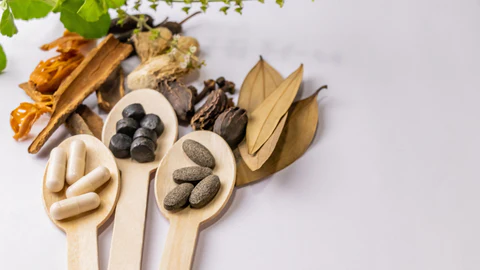
- Shamana therapy (palliative treatment): Herbal formulations play a key role in improving hepatic function and lipid metabolism. Commonly used herbs include Bhumyamalaki (Phyllanthus niruri), Kalmegha (Andrographis paniculata), Guduchi (Tinospora cordifolia), and Kutki (Picrorhiza kurroa), all known for hepatoprotective, anti-inflammatory, and antioxidant properties. These drugs help in reducing Kapha-Meda accumulation and support liver regeneration. Formulations like Triphala assist in detoxification and gut regulation, indirectly improving hepatic health through the gut–liver axis. Arjuna (Terminalia arjuna) may also support cardiovascular and metabolic balance in patients with NAFLD.
- Ahara and Vihara (diet and lifestyle): Dietary modification is fundamental. A Kapha-reducing diet emphasizing light, easily digestible, low-fat, high-fiber foods is recommended. Excessive consumption of refined carbohydrates, fried foods, and incompatible food combinations should be avoided. Spices such as ginger, turmeric, and black pepper enhance Agni and aid fat metabolism. Regular physical activity, yoga, and pranayama are strongly recommended to reduce Meda accumulation and improve insulin sensitivity. Practices such as Surya Namaskar, Kapha-pacifying asanas, and stress management techniques support overall metabolic balance.
Conclusion
The Ayurvedic approach to NAFLD is holistic and individualized, targeting the root cause of metabolic dysfunction rather than just hepatic fat accumulation. By integrating Panchakarma therapies, hepatoprotective herbs, dietary regulation, and lifestyle modification, Ayurveda offers a comprehensive framework for managing NAFLD. With growing scientific validation of traditional formulations and mechanisms, Ayurveda holds significant potential as a complementary strategy in the prevention and management of non-alcoholic fatty liver disease.1
References:
- Bidwaik P, Tawalare K, Jogi P, et al. Ayurvedic management of non-alcoholic fatty liver disease (NAFLD) with biochemical and symptomatic outcomes: a case study. Int. J. Ayurvedic Med. 2025;16(4):1097-1101. doi:10.47552/ijam.v16i4.6078 https://www.ijam.co.in/index.php/ijam/article/view/6078