
Introduction
Type 2 diabetes mellitus is a major and expanding global public health concern, with projections estimating that it may affect approximately 366 million individuals by 2030. The disease burden is further intensified by its increasing incidence among children and adolescents. Alongside its rising prevalence, type 2 diabetes mellitus continues to contribute significantly to morbidity and mortality worldwide, driving the need for improved preventive and therapeutic strategies.1
Despite the use of combined drug therapies and lifestyle interventions aimed at delaying disease progression, long-term glycemic control remains challenging, and the epidemic continues to require novel therapeutic approaches. 2
Metabolic and cardiovascular risk profile in type 2 diabetes mellitus
Type 2 diabetes mellitus is characterized by progressive insulin resistance along with multiple metabolic abnormalities, including elevated plasma triglycerides, apoB, and homocysteine levels, and reduced apoA-I and HDL-C concentrations. Importantly, apoB and apoA-I are considered more reliable predictors of cardiovascular risk than LDL-C and HDL-C, respectively.
Dyslipidemia in type 2 diabetes mellitus plays a significant role in the transition from atheroma formation to atherothrombotic events. Elevated serum triglycerides along with reduced HDL concentrations contribute to vascular complications and increase cardiovascular disease risk.3
Limitations of existing pharmacotherapy
Current oral hypoglycemic agents demonstrate efficacy in early disease stages; however, many therapies exhibit reduced effectiveness with long-term use, leading to secondary failure in glycemic control. This limitation highlights the need for new oral agents capable of sustaining long-term metabolic regulation in type 2 diabetes mellitus.
Botanical profile and bioactive compound of Berberis vulgaris
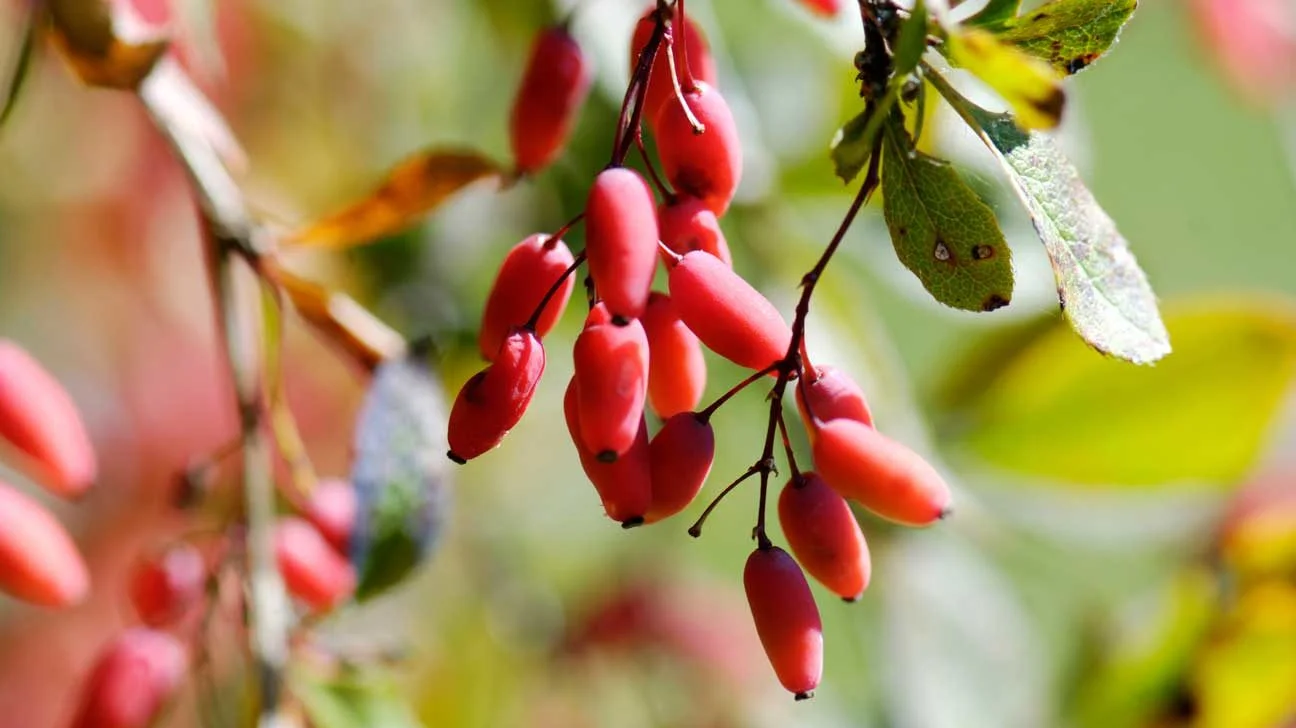
Berberis vulgaris is a shrub characterized by yellow to brown bark, obovate leaves, and pendulous yellow flowers, producing oblong red fruits known as barberries. The plant contains berberine as its principal active alkaloid, a benzyl tetrahydroxy quinoline compound distributed across all parts of the plant, with higher concentration in the fruit.
Berberine is regarded as non-toxic at clinically used doses and is not associated with cytotoxic or mutagenic effects, supporting its safety profile in therapeutic applications.
Antidiabetic and metabolic effects of berberine
Berberine demonstrates pharmacological activity comparable to standard antidiabetic agents such as sulfonylureas and metformin. Its administration is associated with improvements in key glycemic parameters, including reduction in fasting blood glucose and HbA1c levels in individuals with newly diagnosed type 2 diabetes mellitus.
Additional metabolic effects include:
- Reduction in body weight
- Enhancement of insulin sensitivity
- Decrease in insulin resistance
- Improvement in glucose homeostasis in genetic models of type 2 diabetes mellitus
At the cellular level, berberine increases AMP-activated protein kinase (AMPK) activity in adipocytes and myotubes, contributing to improved metabolic regulation. It also reduces lipid accumulation in adipose cells, indicating a role in lipid metabolism modulation.
Furthermore, berberine suppresses aldose reductase activity and downregulates its mRNA and protein expression, thereby inhibiting the polyol pathway, which is implicated in diabetic complications.
Conclusion
Berberine derived from Berberis vulgaris represents a biologically active compound with significant relevance in type 2 diabetes mellitus. Its multifaceted actions on glycemic control, lipid metabolism, insulin sensitivity, and cellular signaling pathways highlight its therapeutic potential. In addition, its favorable safety profile and comparable activity to standard oral hypoglycemic agents support its consideration as a promising agent in long-term metabolic management strategies.4
References:
1. Zhang M, Lv XY, Li J, Xu ZG, Chen L. The characterization of high-fat diet and multiple low-dose streptozotocin induced type 2 diabetes rat model. Exp Diabetes Res. 2008;2008:704045. doi:10.1155/2008/704045. https://pmc.ncbi.nlm.nih.gov/articles/PMC2613511/
2. Yin J, Xing H, Ye J. Efficacy of berberine in patients with type 2 diabetes mellitus. Metabolism. 2008;57(5):712-717. doi:10.1016/j.metabol.2008.01.013. https://pmc.ncbi.nlm.nih.gov/articles/PMC2410097/
3. Lee YS, Kim WS, Kim KH, et al. Berberine, a natural plant product, activates AMP-activated protein kinase with beneficial metabolic effects in diabetic and insulin-resistant states. Diabetes. 2006;55(8):2256-2264. doi:10.2337/db06-0006.
4. Shidfar F, Ebrahimi SS, Hosseini S, Heydari I, Shidfar S, Hajhassani G. The Effects of Berberis vulgaris Fruit Extract on Serum Lipoproteins, apoB, apoA-I, Homocysteine, Glycemic Control and Total Antioxidant Capacity in Type 2 Diabetic Patients. Iran J Pharm Res. 2012;11(2):643-652. https://pmc.ncbi.nlm.nih.gov/articles/PMC3832145/#sec4