
Introduction
Psoriasis is a chronic immune-mediated inflammatory skin disorder characterized by epidermal hyperproliferation, abnormal keratinocyte differentiation, and sustained activation of immune pathways, particularly the IL-23/Th17 axis, TNF-α signaling, and NF-κB–mediated transcriptional cascades. These pathological mechanisms result in erythematous plaques, scaling, pruritus, and impaired skin barrier function. Increasing evidence highlights the role of oxidative stress, angiogenesis, and chronic cytokine imbalance in disease persistence and progression, making multi-target therapeutic strategies increasingly relevant.
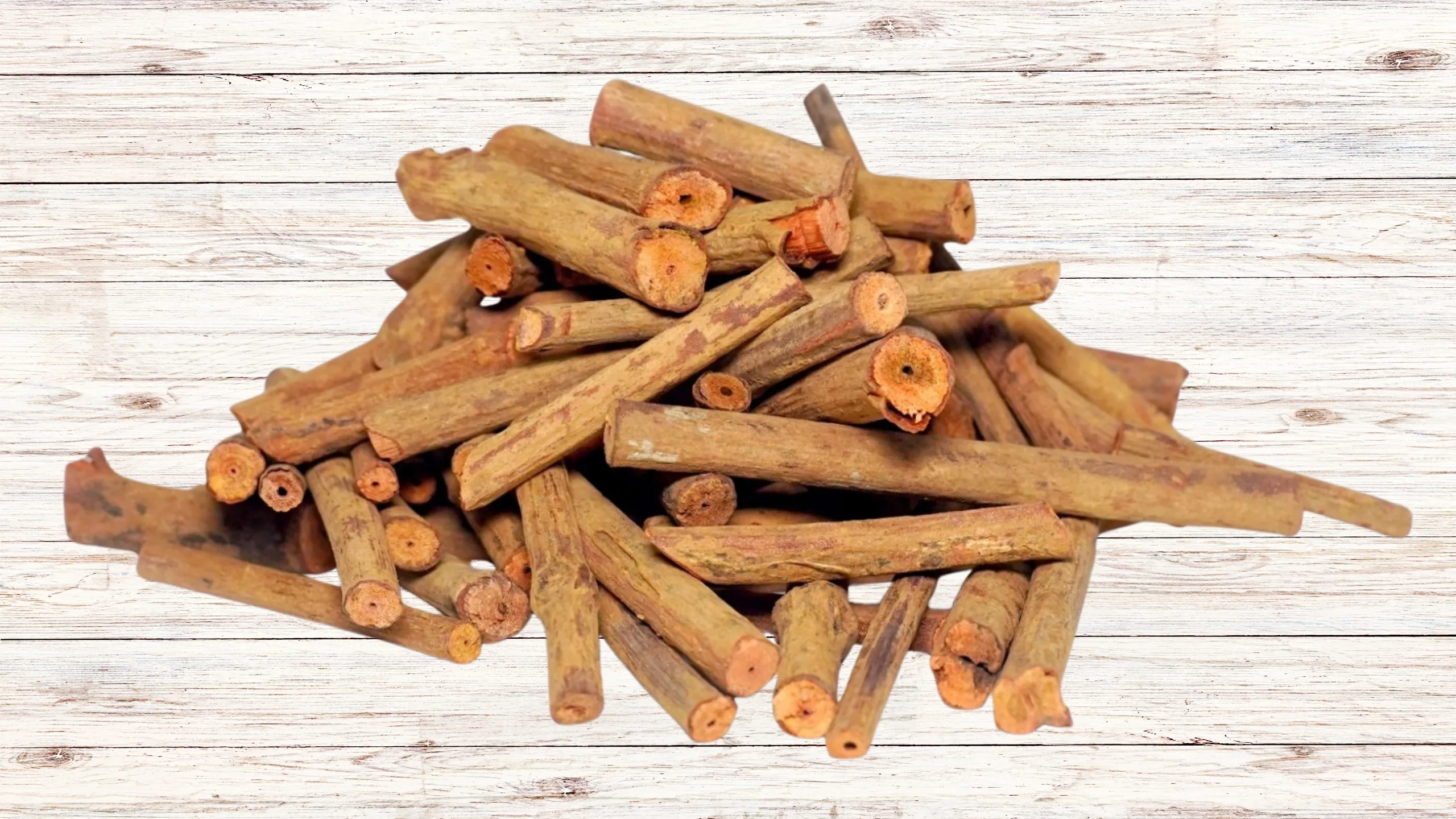
In this context, Manjistha (Rubia cordifolia) has gained scientific attention due to its anti-inflammatory, antioxidant, immunomodulatory, and blood-purifying (rakta-shodhana) properties, which are mechanistically relevant in inflammatory dermatoses such as psoriasis. Recent pharmacological studies suggest its potential role as an adjunct phytotherapeutic agent in reducing psoriatic inflammation and improving skin homeostasis.
Phytochemical profile of Rubia cordifolia
Rubia cordifolia contains a diverse range of bioactive compounds responsible for its therapeutic activity.
Major bioactive constituents include1:
- Anthraquinones: alizarin, purpurin, munjistin
- Iridoid glycosides
- Triterpenoids and sterols
- Flavonoids and phenolic acids
- Rubiadin and related derivatives
Anthraquinones, particularly alizarin and purpurin, are considered key pharmacologically active compounds responsible for anti-inflammatory, antioxidant, and antiproliferative effects relevant to psoriatic pathology.
Pathophysiology of psoriasis relevant to Manjistha action
- Immune dysregulation and cytokine overproduction:
Psoriasis is driven by overactivation of Th1 and Th17 immune pathways, leading to increased production of TNF-α, IL-17, and IL-23, which promote keratinocyte hyperproliferation and chronic inflammation.
- Keratinocyte hyperproliferation:
Abnormal epidermal turnover results in excessive scaling and plaque formation due to impaired differentiation and accelerated cell cycling.
- Oxidative stress and lipid peroxidation:
Reactive oxygen species contribute to cellular damage, amplify inflammatory signaling, and worsen epidermal dysfunction.
- Angiogenesis and vascular changes:
Increased vascular endothelial growth factor (VEGF) activity leads to dermal angiogenesis, supporting persistent inflammatory infiltration in psoriatic plaques.
Mechanisms of therapeutic action of Manjistha in psoriasis
- Anti-inflammatory and cytokine modulation:
Rubia cordifolia suppresses pro-inflammatory mediators such as TNF-α, IL-6, and IL-1β by inhibiting NF-κB signaling pathways, thereby reducing epidermal inflammation and plaque severity.
- Immunomodulatory effects:
Bioactive constituents modulate T-cell mediated immune responses, helping restore balance between Th1/Th17 activity and regulatory T-cell function, thereby reducing autoimmune-driven keratinocyte activation.
- Antioxidant and cytoprotective activity:
Manjistha scavenges reactive oxygen species and enhances endogenous antioxidant enzymes, reducing oxidative stress–induced epidermal damage and supporting skin barrier integrity.
- Anti-proliferative effects on keratinocytes:
Anthraquinones such as alizarin exhibit inhibitory effects on excessive keratinocyte proliferation, contributing to reduction in plaque thickness and scaling.
- Anti-angiogenic and vascular modulation:
Rubia cordifolia may downregulate VEGF-mediated angiogenesis, thereby reducing dermal vascular proliferation and inflammatory cell recruitment in psoriatic lesions.
- Detoxification and microcirculatory improvement:
Traditionally described “blood-purifying” effects correlate with improved microcirculation and reduction of inflammatory metabolites, supporting cutaneous healing.
Experimental and preclinical evidence
Preclinical studies on Rubia cordifolia extracts demonstrate:
- Reduction in inflammatory cytokines and oxidative stress markers in skin inflammation models
- Inhibition of NF-κB activation and downstream inflammatory signaling
- Improvement in wound healing and epidermal regeneration
- Antiproliferative effects on keratinocyte and tumor cell lines
- Modulation of angiogenic pathways in inflammatory conditions
These findings support its multi-targeted pharmacological profile relevant to psoriasis pathophysiology.
Therapeutic role in psoriasis management
- Adjunct anti-inflammatory therapy:
Manjistha may help reduce erythema, scaling, and plaque thickness by suppressing inflammatory cytokine cascades.2
- Immunomodulatory phytotherapy:
It supports immune homeostasis by regulating Th1/Th17 imbalance and reducing chronic autoimmune activation.
- Antioxidant-based skin protection:
Reduces oxidative stress–mediated epidermal injury and supports restoration of skin barrier function.
- Anti-angiogenic disease-modifying support:
Helps limit vascular proliferation and inflammatory cell infiltration in psoriatic plaques.
- Adjunct in integrative dermatology:
May be useful as a supportive herbal agent alongside conventional therapies such as topical corticosteroids and vitamin D analogues.
Clinical relevance and limitations
Although experimental evidence is promising, clinical validation remains limited. Key limitations include:
- Lack of large-scale randomized controlled trials in psoriasis
- Variability in extract standardization and phytochemical content
- Limited pharmacokinetic and dose-response data
- Need for formulation-based delivery systems for optimal skin penetration
Thus, Manjistha should currently be considered an adjunct phytotherapeutic agent rather than a primary treatment modality.
Conclusion
Rubia cordifolia (Manjistha) demonstrates significant therapeutic potential in psoriasis3 through its anti-inflammatory, immunomodulatory, antioxidant, anti-proliferative, and anti-angiogenic mechanisms. By targeting multiple pathogenic pathways including NF-κB signaling, cytokine dysregulation, and oxidative stress, it offers a multi-targeted approach to inflammatory skin disease management. However, further well-designed clinical trials are required to establish standardized formulations, dosing regimens, and long-term efficacy in psoriasis therapy.
References:
- Wen M, Chen Q, Chen W, et al. A comprehensive review of Rubia cordifolia L.: Traditional uses, phytochemistry, pharmacological activities, and clinical applications. Front Pharmacol. 2022;13:965390. Published 2022 Sep 9. doi:10.3389/fphar.2022.965390. https://pmc.ncbi.nlm.nih.gov/articles/PMC9500525/
- Lin CF, Chen HY, Alalaiwe A, et al. Harnessing Quinone Derivatives from Rubia cordifolia for Topical Therapy: Unveiling Structure-Activity and Structure-Permeation Relationships to Suppress Psoriasiform Inflammation. ACS Pharmacol Transl Sci. 2025;8(7):2270-2289. Published 2025 Jun 26. doi:10.1021/acsptsci.5c00352. https://pubmed.ncbi.nlm.nih.gov/40672685/
- Nille GC, Bhuyan M, Gupta LN, Chaudhary AK. Safe and effective management of psoriasis through Ayurveda: A case report. J Ayurveda Integr Med. 2025;16(2):101091. doi:10.1016/j.jaim.2024.101091. https://pmc.ncbi.nlm.nih.gov/articles/PMC11994298/