Introduction
Polycystic ovary syndrome (PCOS) is a complex endocrine-metabolic disorder characterized by anovulation, menstrual irregularities, hyperandrogenism, and altered ovarian morphology. Conventional management primarily targets symptom control, yet long-term restoration of reproductive physiology remains challenging. In Ayurvedic therapeutics, Shatapushpa (Anethum graveolens / Peucedanum graveolens) and Shatavari (Asparagus racemosus) have been traditionally employed as key reproductive modulators for female gynecological disorders. Their combined use represents a classical Ayurvedic approach aimed at correcting Artava Dushti, restoring ovulatory function, and improving overall reproductive health.
Botanical profile and phytochemical basis
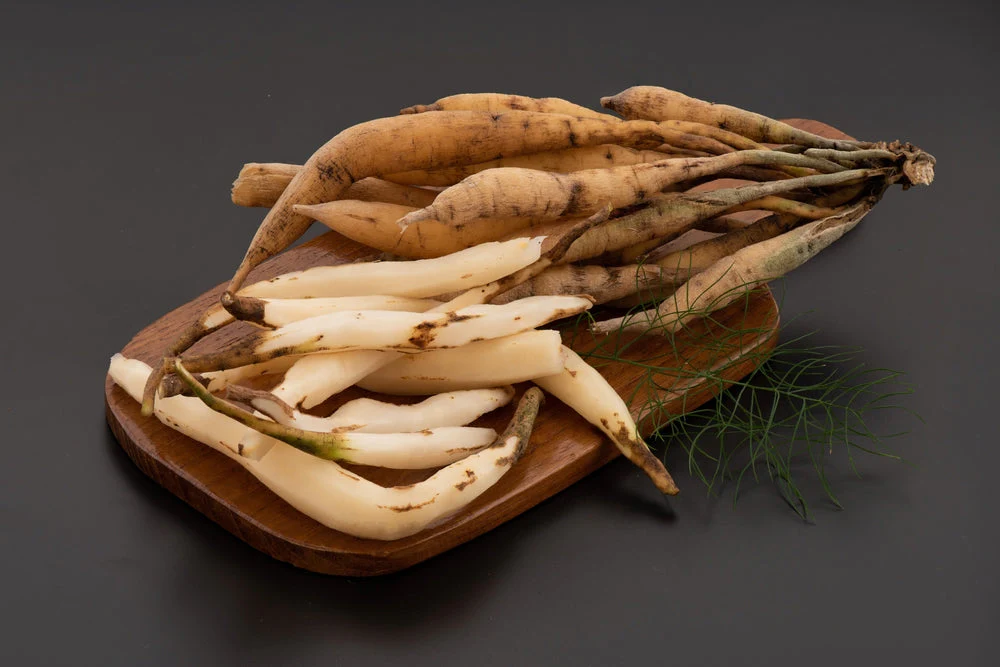
- Shatavari (Asparagus racemosus) is widely distributed across India, Sri Lanka, and the Himalayan region and is extensively utilized in traditional medicine systems. It contains a rich spectrum of bioactive constituents, including essential fatty acids, polycyclic alkaloids, flavonoids, isoflavones, and steroidal saponins, commonly referred to as shatavarins. These compounds contribute to its adaptogenic, estrogenic, and immunomodulatory effects.
- Shatapushpa, another important Ayurvedic herb, is traditionally indicated in menstrual irregularities and infertility. Both herbs are considered to support ovarian function, regulate menstrual cycles, and improve uterine receptivity through their Deepana, Pachana, and Vata–Kapha balancing actions.
Traditional Ayurvedic applications in PCOS
- In clinical Ayurvedic practice, Shatapushpa–Shatavari formulations are administered in multiple forms, including oral powders (Churna), medicated ghee preparations (Grita), and therapeutic enemas (Matra Vasti). These interventions are particularly indicated in PCOS-related menstrual disturbances such as oligomenorrhea, hypomenorrhea, and anovulation.
- Ayurvedic classical traditions support the use of these drugs via oral administration, rectal routes, and nasal instillation, emphasizing their systemic and reproductive channel-specific effects. However, it is important to note that robust conventional randomized clinical trials remain limited, and most evidence is derived from observational and integrative clinical studies.
Clinical evidence from Ayurvedic studies
In one clinical evaluation, 60 premenopausal women diagnosed with PCOS based on Rotterdam criteria were randomized into three groups:
- Group A: Oral Shatapushpa–Shatavari powder
- Group B: Oral formulation combined with medicated enema
- Group C: Only medicated enema
After a one-month intervention and follow-up over three months, significant improvements were observed across all groups. A reduction in ovarian volume and improvement in endometrial thickness were documented via ultrasound assessment. Group C demonstrated the most significant increase in endometrial thickness (p < 0.05), along with notable reduction in hirsutism scores. Menstrual blood volume improved significantly in all groups, with greater statistical significance observed in combination therapy groups (p < 0.01). Additionally, cycle regularity and menstrual duration showed favorable normalization following therapy.
Multistage therapeutic protocol and fertility outcomes
Another multi-phase clinical protocol involving women with reduced fertility (25–40 years) demonstrated the broader reproductive benefits of Shatapushpa–Shatavari-based therapy. Initial detoxification was achieved using formulations such as Triphala Kwatha, Chandraprabha Vati, and Manibhadra preparations. This was followed by a sustained treatment phase incorporating Shatavari, Shatapushpa, and Guduchi, alongside supportive herbal and oil-based therapies, including Uttara Vasti with Shatapushpa oil.
By the end of the treatment cycle, substantial clinical improvement was observed: approximately 75% of patients reported normalized menstrual cycles, 70% achieved regulated menstrual flow, and 75% of infertility cases resulted in conception. Additionally, a majority of patients showed marked relief from dysmenorrhea and restoration of reproductive function.
Conclusion
Shatapushpa–Shatavari-based interventions represent a promising Ayurvedic reproductive modulatory strategy in PCOS management. Clinical observations suggest beneficial effects on menstrual regularity, ovarian morphology, and fertility outcomes. Although preliminary evidence is encouraging, larger randomized controlled trials are required to validate efficacy, standardize dosing regimens, and integrate this classical combination into evidence-based reproductive endocrinology practice.1,2
References:
- Mhatre Y, Jadhav P, Malik A, Srivathsan M, Langade D. Efficacy and safety of Shatavari root extract in women with Polycystic Ovarian Syndrome: a randomized, double-blind, placebo-controlled trial. Front Endocrinol (Lausanne). 2026;17:1769773. Published 2026 Feb 24. doi:10.3389/fendo.2026.1769773 https://www.frontiersin.org/journals/endocrinology/articles/10.3389/fendo.2026.1769773/full
- Wani R, Shaikh M. Healing with Herbs: A Systematic Review of Natural Treatments for Polycystic Ovary Syndrome. JBRA Assist Reprod. 2025;29(2):359-366. Published 2025 Jul 30. doi:10.5935/1518-0557.20240110 https://pmc.ncbi.nlm.nih.gov/articles/PMC12225173/#sec7