
Introduction
Alcoholic fatty liver disease (AFLD) is one of the most common alcohol-related hepatic disorders and represents the earliest stage of alcoholic liver disease (ALD).1 In India, the prevalence of ALD has increased substantially in recent decades, largely due to changing lifestyles, urbanization, and rising alcohol consumption. Following ingestion, alcohol is metabolized into acetaldehyde, a highly hepatotoxic metabolite that induces oxidative stress, inflammation, and progressive hepatocellular injury. Continued exposure may result in a spectrum of liver pathology ranging from alcoholic steatosis to alcoholic hepatitis and ultimately cirrhosis. Ayurveda offers a holistic approach to AFLD through the use of hepatoprotective medicines, Panchakarma therapies, dietary regulation, lifestyle modification, yoga, pranayama, and counseling, with the aim of restoring hepatic function and preventing disease progression.
Clinical spectrum of alcoholic liver disease
Alcoholic liver disease progresses through three major stages:
Alcoholic steatosis:
The earliest stage is characterized by fatty infiltration of the liver and commonly presents with:
- Loss of appetite
- Constipation
- Weakness
- Lethargy
Alcoholic hepatitis:
As liver injury progresses, inflammatory changes may develop, manifesting as:
- Jaundice and yellow discoloration of the skin, sclera, and urine
- Loss of appetite
- Abdominal pain
- Pruritus
- Fatigue and lethargy
- Altered mental status in severe cases
Alcoholic cirrhosis:
Advanced disease may be associated with:
- Cachexia and anorexia
- Ascites
- Pedal edema
- Hypoproteinemia
- Clubbing
- Spider nevi and telangiectasia
- Ecchymoses
- Gynecomastia
- Infertility
Ayurvedic perspective and therapeutic principles
From an Ayurvedic standpoint, chronic alcohol consumption (Madya Sevana) results in derangement of Agni, accumulation of metabolic toxins (Ama), and vitiation of Pitta and Rakta. These pathological changes impair hepatic metabolism and contribute to progressive liver dysfunction.
Management is directed toward correcting digestive and metabolic disturbances through:
- Deepana (enhancing digestive fire)
- Pachana (metabolizing toxins)
- Virechana (therapeutic purgation)
- Mala-Vatanulomana (normalization of bowel function)
- Mootrala (diuretic action)
- Rasayana (rejuvenative therapy)
These interventions aim to improve liver function, reduce toxin accumulation, and support tissue regeneration.
Important Ayurvedic frugs in AFLD
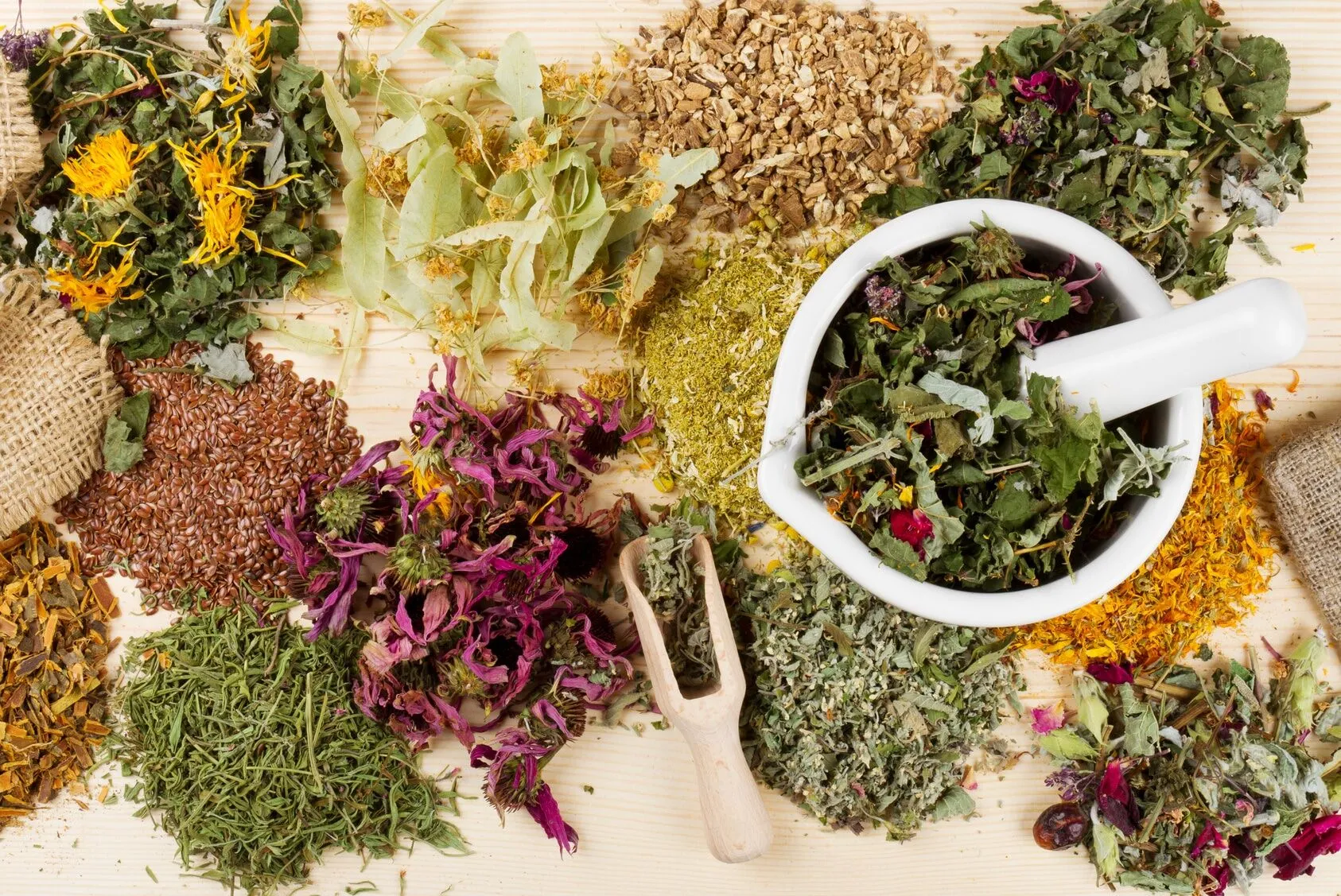
Several single herbs have traditionally been employed for their hepatoprotective and restorative properties:
- Katuka (Picrorhiza kurroa)
- Kumari (Aloe vera)
- Guduchi (Tinospora cordifolia)
- Dronapushpi (Leucas aspera)
- Punarnava (Boerhaavia diffusa)
- Moolaka (Raphanus sativus)
- Alabu (bottle gourd)
- Kakamachi (Solanum nigrum)
- Haritaki (Terminalia chebula)
- Vibhitaki (Terminalia bellirica)
- Amalaki (Emblica officinalis)
- Patola (Trichosanthes dioica)
- Bhunimba (Andrographis paniculata)
- Kharjura (Phoenix dactylifera)
Many of these herbs exhibit hepatoprotective, antioxidant, anti-inflammatory, digestive, and nutritive effects.
Classical formulations used in ALD
Commonly prescribed Ayurvedic formulations include:
- Phalatrikadi Kashaya
- Kumari Asava
- Arogyavardhini Vati
- Guduchi Kwatha
- Kakamachi Swarasa
- Punarnava Mandoora
- Triphala Mandoora
- Rohitakarishta
- Dronapushpi Swarasa
- Punarnava Swarasa
- Pravala Panchamrita Rasa
- Mukta Panchamrita Rasa
- Pravala Pishti and Bhasma
- Mukta Pishti and Bhasma
- Godanti Bhasma
- Kharjuradi Mantha
- Shweta Parpati and Kshara Parpati
These formulations are selected according to disease stage, symptom severity, and patient constitution.
Mechanisms of action
The therapeutic benefits of Ayurvedic medicines in AFLD are attributed to multiple actions:
- Enhancement of digestion and metabolism (Deepana-Pachana)
- Hepatic stimulation and hepatoprotection
- Diuretic and detoxifying effects
- Nutritional supplementation and tissue nourishment (Poshaka)
- Antioxidant and adaptogenic activity
- Stress reduction and cognitive support (Medhya and Buddhivardhaka)
- Rejuvenative (Rasayana) effects that promote tissue recovery
Dietary and lifestyle measures
Dietary regulation (Pathya) forms an integral component of management. Recommended measures include:
- High-protein diet
- Coconut water (Narikela Jala)
- Yava Manda (barley gruel)
- Moolaka and Alabu preparations
- Appropriate salt and fluid restriction when indicated
Foods and habits to avoid (Apathya) include:
- Alcohol consumption
- Heavy, oily, and difficult-to-digest foods
- Excessively spicy and heat-producing foods
- Irregular eating patterns
- Excessive physical exertion
Regular exercise, yoga, pranayama, and counseling further support recovery and improve overall well-being.
Conclusion
Ayurvedic management of alcoholic fatty liver disease integrates herbal medicines, classical formulations, Panchakarma procedures, dietary modification, and lifestyle interventions. Hepatoprotective and hepatic-stimulant therapies, along with Deepana, Pachana, and Rasayana measures, aim to restore liver function, improve nutritional status, and reduce disease-related complications. Clinical observations suggest that early-stage alcoholic liver disease responds particularly well to such interventions, highlighting the potential role of Ayurveda as a complementary approach in comprehensive liver care.2
References:
- Ha Y, Jeong I, Kim TH. Alcohol-Related Liver Disease: An Overview on Pathophysiology, Diagnosis and Therapeutic Perspectives. Biomedicines. 2022;10(10):2530. Published 2022 Oct 10. doi:10.3390/biomedicines10102530 https://pmc.ncbi.nlm.nih.gov/articles/PMC9599689/
- Acharya GS, Niranjan S, Swayamprabha S, Acharya RS. Role of Ayurveda medicines in the management of alcoholic liver disease. J Ayurveda Integr Med Sci. 2024;9(1):113-116. doi:10.21760/jaims.9.1.15. https://jaims.in/jaims/article/download/3023/4431?inline=1