
Introduction
Diabetes mellitus is a group of metabolic disorders characterized by impaired carbohydrate metabolism, in which the body’s ability to utilize glucose as an energy source is reduced while endogenous glucose production is increased, resulting in persistent hyperglycemia. 1 In parallel, insulin resistance and metabolic stress contribute to progressive dysregulation of glucose homeostasis, making type 2 diabetes mellitus a complex systemic disorder influenced by multiple biochemical and inflammatory pathways.
Pathophysiological mechanisms in type 2 diabetes mellitus
Metabolic stress associated with insulin resistance and type 2 diabetes mellitus activates several stress- and inflammation-related kinases, including IkappaB kinase and c-Jun N-terminal kinase. These pathways contribute to chronic inflammatory signaling and altered insulin responsiveness.
Additional molecular mechanisms involved in disease progression include modulation of:
- Mitogen-activated protein kinase pathways
- Phosphatidylinositol 3-kinase/protein kinase B signaling system
- NF-κB pathway
- Janus kinase/signal transducer and activator of transcription pathway
These signaling cascades collectively influence immune regulation, oxidative stress balance, and inflammatory responses. They also affect the equilibrium between T helper 17 cells and regulatory T cells, contributing to immune dysregulation in metabolic disease states. Furthermore, they regulate cytokine expression, including pro-inflammatory mediators such as TNF-α, IL-1β, IL-6, IL-8, and IL-17, as well as anti-inflammatory cytokines such as IL-2 and IL-10.
Bioactive profile of Allium sativum (garlic)
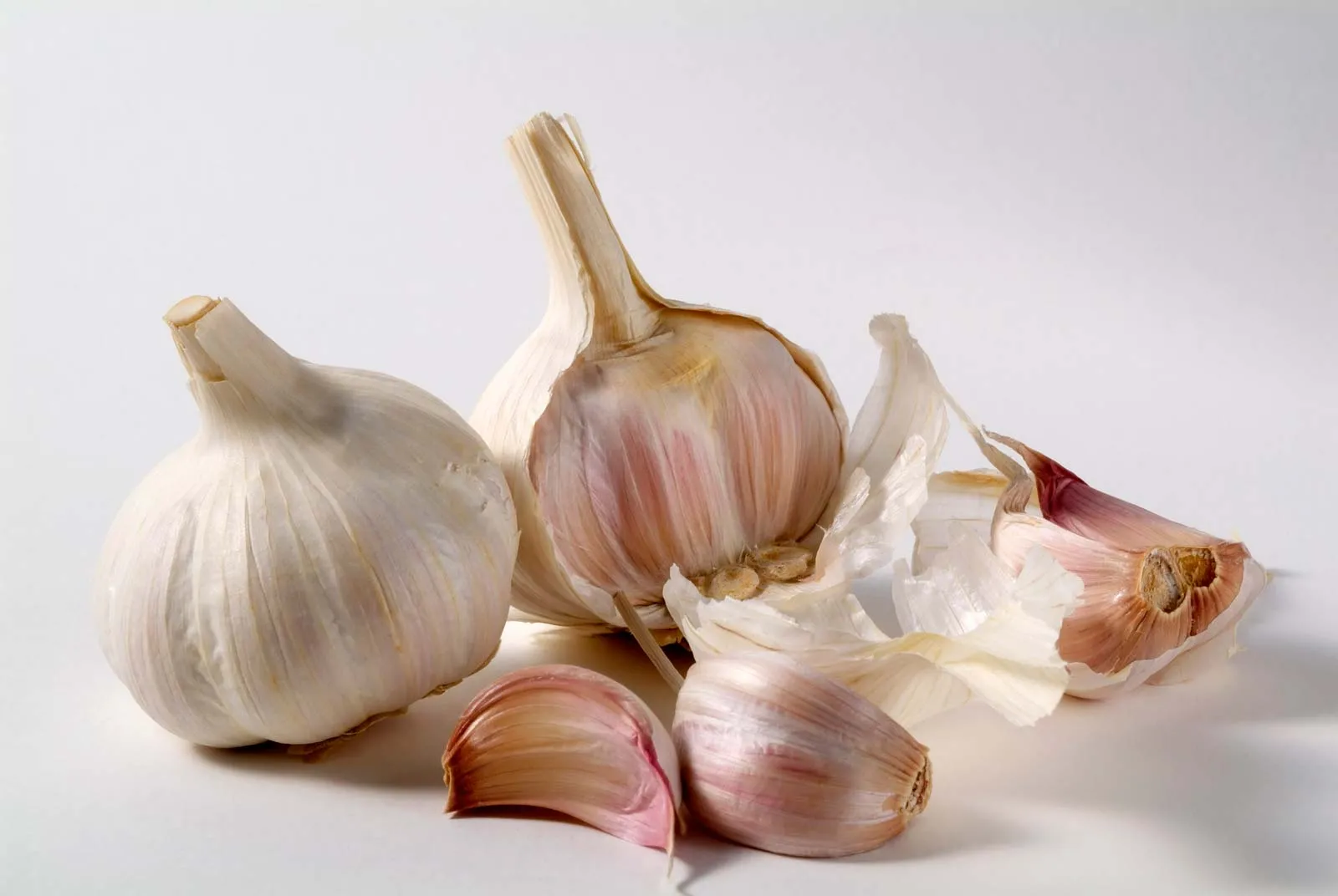
Allium sativum (garlic), a member of the Amaryllidaceae family, is widely recognized for its diverse pharmacological properties. It is rich in organosulfur compounds and other bioactive constituents that contribute to its therapeutic actions.2
Key bioactive components include:
- Organosulfur compounds: allicin, alliin, ajoene (E and Z forms), S-allylcysteine, diallyl sulfide, diallyl disulfide, diallyl trisulfide, and vinyl dithiins
- Saponins
- Phenolic compounds such as β-resorcylic acid, pyrogallol, gallic acid, rutin, protocatechuic acid, and quercetin
- Polysaccharides, amino acids, fatty acids, vitamins, and minerals
Allicin, the most biologically active sulfur compound in garlic, is lipophilic and responsible for its characteristic odor and taste. It is formed from alliin through the enzymatic action of alliinase when garlic is crushed or cut, representing a key biochemical activation process.
Therapeutic relevance in type 2 diabetes mellitus
Garlic has long been associated with multiple pharmacological effects, including antimicrobial, immunomodulatory, antioxidant, anticancer, and anti-aging activities. In the context of type 2 diabetes mellitus, it functions as a supportive adjunct in metabolic regulation and complication management.
Observed therapeutic roles include:
- Regulation of serum lipid levels
- Improvement in hepatic and renal function parameters
- Modulation of blood pressure
- Reduction of oxidative stress
These combined actions highlight its role in addressing both metabolic imbalance and systemic complications associated with type 2 diabetes mellitus. 3
Conclusion
Allium sativum (garlic) represents a biologically rich medicinal agent with multifaceted molecular and metabolic actions relevant to type 2 diabetes mellitus. Its organosulfur compounds and phytochemical diversity contribute to regulation of inflammatory signaling, oxidative stress, and metabolic pathways. Together, these properties support its role as a functional adjunct in managing metabolic dysregulation and associated complications in diabetes mellitus.
References:
1. Sacks DB, Arnold M, Bakris GL, et al. Guidelines and Recommendations for Laboratory Analysis in the Diagnosis and Management of Diabetes Mellitus. Diabetes Care. 2023;46(10):e151-e199. doi:10.2337/dci23-0036. https://pmc.ncbi.nlm.nih.gov/articles/PMC10516260/
2. Bhowmick BK, Sarkar S, Roychowdhury D, et al. Allium cytogenetics: a critical review on the Indian taxa. Comp Cytogenet. 2023;17:129-156. Published 2023 May 29. doi:10.3897/CompCytogen.17.98903. https://pmc.ncbi.nlm.nih.gov/articles/PMC10252142/
3. Mejía Delgado EM, Quiroz-Aldave JE, Durand-Vásquez MDC, et al. Immunomodulatory effect of allium sativum in type 2 diabetes mellitus. World J Exp Med. 2025;15(2):103481. Published 2025 Jun 20. doi:10.5493/wjem.v15.i2.103481. https://pmc.ncbi.nlm.nih.gov/articles/PMC12019609/#sec14