
Introduction
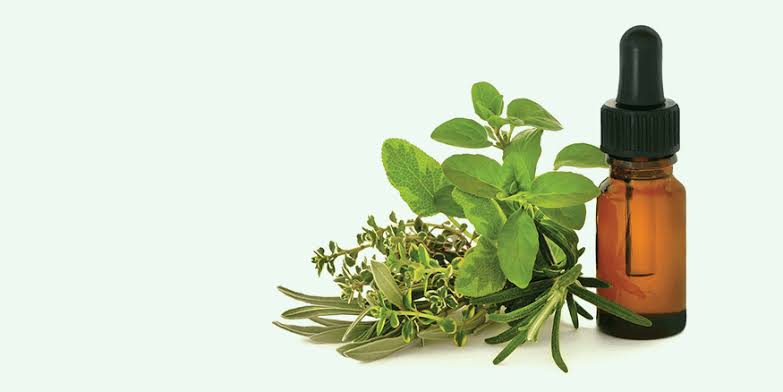
Irritable bowel syndrome (IBS) is a common functional gastrointestinal disorder characterized by recurrent abdominal pain, bloating, and altered bowel habits. Despite the availability of conventional therapies, many patients continue to experience persistent symptoms, reduced quality of life, or treatment-related adverse effects. Consequently, there has been growing interest in complementary and alternative therapies, particularly herbal medicine (HM), as a potential option for symptom management.1,2
Therapeutic benefits of herbal medicine in IBS
A substantial body of evidence has evaluated the role of HM in the management of IBS.
- Findings from multiple studies suggest that HM may provide meaningful clinical benefits across different IBS subtypes. Compared with placebo, conventional medical therapies, and probiotics, HM has generally demonstrated superior improvement in overall symptom control and patient-reported outcomes.
- The most consistently reported benefit is improvement in global IBS symptoms. Herbal therapies have been associated with reductions in abdominal pain, bloating, diarrhea, constipation-related symptoms, and abnormalities in stool frequency and consistency. These benefits have been observed both when HM is used as a standalone intervention and when combined with conventional treatments.
- Several studies have also reported improvements in symptom severity scores and quality-of-life measures, indicating that HM may address the multifaceted nature of IBS beyond symptom relief alone.
Additionally, evidence suggests that HM may reduce symptom recurrence following treatment. Compared with conventional medications and probiotics, lower relapse rates have been reported in several studies, highlighting the potential for more sustained symptom control in this chronic, relapsing condition.3
Mechanisms underlying clinical effects
The therapeutic effects of HM are believed to result from its ability to influence multiple biological pathways involved in IBS pathogenesis.
- Proposed mechanisms include modulation of gastrointestinal motility, reduction of visceral hypersensitivity, regulation of the gut-brain axis, attenuation of intestinal inflammation, and restoration of gut microbiota balance.
- Certain herbal formulations may also affect neuroendocrine signaling pathways and psychological factors such as stress and anxiety, which are known to contribute to IBS symptom generation. The ability of HM to target multiple mechanisms simultaneously may explain its reported benefits across diverse symptom profiles and IBS subtypes.
Safety considerations
Overall, HM appears to have a favorable safety profile.
- Reported adverse events are generally mild and transient, commonly including nausea, abdominal discomfort, headache, dry mouth, constipation, and occasional skin reactions. Importantly, serious treatment-related adverse events have rarely been reported in clinical studies.
- Several systematic reviews have found that HM is associated with fewer adverse events than conventional pharmacological therapies.
However, variability in herbal formulations, manufacturing standards, and reporting practices underscores the need for continued vigilance regarding product quality and long-term safety monitoring.
Future perspectives
Future research should focus on conducting well-designed randomized controlled trials with standardized herbal formulations and clearly defined outcome measures. Greater emphasis should also be placed on evaluating treatment duration, long-term efficacy, recurrence rates, and subtype-specific responses. Improved methodological rigor will help generate higher-quality evidence and facilitate the integration of HM into evidence-based IBS management strategies.
Conclusion
Current evidence suggests that herbal medicine may serve as a valuable therapeutic option for patients with IBS, offering improvements in symptom control, quality of life, and recurrence rates while maintaining an acceptable safety profile. However, the overall certainty of evidence remains limited because of methodological weaknesses and heterogeneity among studies. High-quality clinical trials and systematic reviews are needed to better define the efficacy, safety, and optimal use of herbal medicine in the management of IBS.4,5
References:
- Mearin F, Lacy BE, Chang L, et al. Bowel Disorders. Gastroenterology. Published online February 18, 2016. doi:10.1053/j.gastro.2016.02.031 https://linkinghub.elsevier.com/retrieve/pii/S0016-5085(16)00222-5
- Larussa T, Rossi M, Suraci E, et al. Use of Complementary and Alternative Medicine by Patients with Irritable Bowel Syndrome According to the Roma IV Criteria: A Single-Center Italian Survey. Medicina (Kaunas). 2019;55(2):46. Published 2019 Feb 13. doi:10.3390/medicina55020046 https://pmc.ncbi.nlm.nih.gov/articles/PMC6409648/
- Jun H, Ko SJ, Kim K, Kim J, Park JW. An Overview of Systematic Reviews of Herbal Medicine for Irritable Bowel Syndrome. Front Pharmacol. 2022;13:894122. Published 2022 May 18. doi:10.3389/fphar.2022.894122 https://pmc.ncbi.nlm.nih.gov/articles/PMC9158123/#B23