
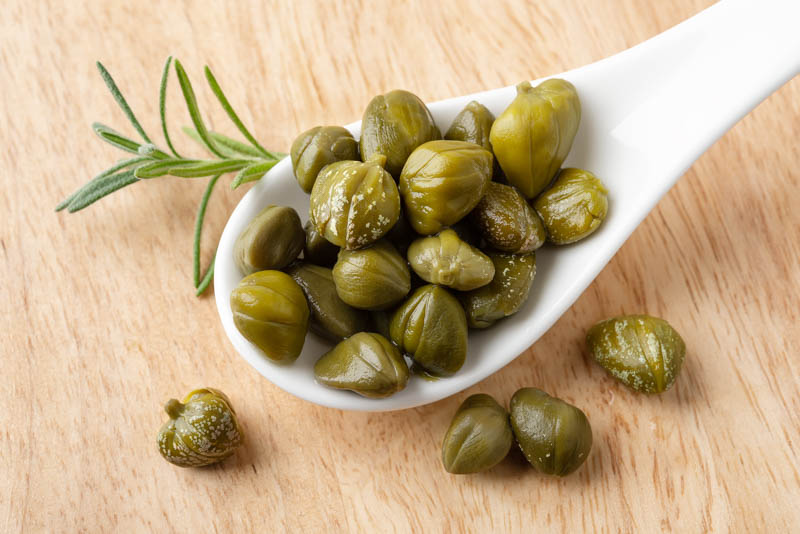
Introduction
Obesity is a multifactorial metabolic disorder characterized by excessive accumulation of adipose tissue, chronic low-grade inflammation, insulin resistance, and dyslipidemia. It is strongly associated with type 2 diabetes mellitus, cardiovascular diseases, and metabolic dysfunction-associated steatotic liver disease (MASLD). The pathogenesis involves an imbalance between energy intake and expenditure, altered lipid metabolism, adipocyte dysfunction, and hormonal dysregulation. Alongside lifestyle interventions, there is increasing interest in plant-based functional foods that can support metabolic balance. One such medicinal plant is the caper bush (Capparis spinosa L.), traditionally used in Mediterranean and Asian medicine for various metabolic and inflammatory conditions.1
Phytochemical profile of caper bush
Capparis spinosa contains a wide range of bioactive compounds, including flavonoids (quercetin, rutin derivatives), phenolic acids, alkaloids, carotenoids, and glucosinolates. These phytochemicals exhibit antioxidant, anti-inflammatory, hepatoprotective, and metabolic regulatory properties. The synergistic interaction of these constituents is considered responsible for its beneficial effects on lipid metabolism and body weight regulation.
Modulation of lipid metabolism
Regulation of lipogenesis and lipolysis:
Caper bush bioactive compounds are associated with the regulation of lipid synthesis and breakdown. They may help maintain a balance between lipogenesis (fat formation) and lipolysis (fat breakdown), thereby reducing excessive fat accumulation in adipose tissue and liver. This regulatory effect is important in preventing obesity-related metabolic dysfunction.2
Improvement of serum lipid profile:
Studies suggest that Capparis spinosa may contribute to improved lipid parameters, including reductions in total cholesterol, low-density lipoprotein (LDL), and triglycerides, along with potential improvement in high-density lipoprotein (HDL) levels. These changes support cardiovascular protection and metabolic stability.
Antioxidant protection of lipids:
Oxidative stress plays a central role in lipid peroxidation and obesity-related complications. The antioxidant compounds in caper bush neutralize reactive oxygen species and reduce oxidative damage to lipids and cellular membranes. This protective mechanism supports healthier lipid metabolism and reduces metabolic stress.
Anti-obesity mechanisms
Regulation of adipogenesis:
Adipogenesis, the formation of fat cells, is a key process in obesity development. Bioactive compounds in caper bush may influence signaling pathways involved in adipocyte differentiation, thereby limiting excessive fat cell formation and fat storage.
Anti-inflammatory effects in adipose tissue:
Obesity is associated with chronic inflammation in adipose tissue, which contributes to insulin resistance and metabolic dysfunction. Caper bush exhibits anti-inflammatory activity by modulating inflammatory mediators, helping to reduce cytokine-driven metabolic disturbances.3
Gut microbiota modulation:
Emerging evidence suggests that Capparis spinosa may influence gut microbiota composition. A balanced gut microbial ecosystem plays a critical role in energy homeostasis, lipid metabolism, and appetite regulation. By supporting microbial diversity, caper bush may indirectly contribute to weight management and metabolic health.
Improvement of energy metabolism:
Caper bush bioactives may enhance glucose utilization and improve cellular energy metabolism. Improved metabolic efficiency can reduce fat accumulation and support overall energy balance, which is essential in obesity management.
Clinical relevance
The metabolic effects of Capparis spinosa suggest potential applications in:
- Obesity and overweight conditions
- Dyslipidemia
- Metabolic syndrome
- Type 2 diabetes mellitus
- Insulin resistance
- MASLD
Its multi-targeted actions make it a promising supportive agent in integrative metabolic therapy.
Conclusion
Capparis spinosa demonstrates significant potential in modulating lipid metabolism and managing obesity. Its bioactive compounds regulate lipid synthesis and breakdown, improve serum lipid profiles, reduce oxidative stress, and suppress inflammatory responses. Additionally, its effects on adipogenesis and gut microbiota further support its role in metabolic health. These multifaceted actions make caper bush a promising functional medicinal plant for obesity prevention and metabolic regulation.
Reference:
- Sun Y, Yang T, Wang C. Capparis spinosa L. as a potential source of nutrition and its health benefits in foods: A comprehensive review of its phytochemistry, bioactivities, safety, and application. Food Chem. 2023 May 30;409:135258. doi: 10.1016/j.foodchem.2022.135258. Epub 2022 Dec 20. PMID: 36587515. https://pubmed.ncbi.nlm.nih.gov/36587515/
- Zhang H, Ma ZF. Phytochemical and Pharmacological Properties of Capparis spinosa as a Medicinal Plant. Nutrients. 2018;10(2):116. Published 2018 Jan 24. doi:10.3390/nu10020116 https://pmc.ncbi.nlm.nih.gov/articles/PMC5852692/
- Perna S, Rafique A, Rondanelli M, Allehdan S, Riso P, Marino M. Effect of caper fruit (Capparis spinosa L.) consumption on liver enzymes, lipid profile, fasting plasma glucose, and weight loss. A systematic review and a preliminary meta-analysis of randomized controlled trials. Biomed Pharmacother. 2023 Dec;168:115638. doi: 10.1016/j.biopha.2023.115638. Epub 2023 Oct 6. PMID: 37806093. https://pubmed.ncbi.nlm.nih.gov/37806093/