
Introduction
Diabetes mellitus is a chronic metabolic disorder characterized by insufficient insulin production, either absolute or relative, resulting in persistent hyperglycemia. It leads to progressive multi-organ involvement with complications such as retinopathy, neuropathy, nephropathy, and increased cardiovascular risk due to long-term metabolic imbalance. In parallel, there has been sustained interest in natural and holistic remedies, particularly medicinal plants, as India’s rich biodiversity of approximately 45,000 plant species provides a wide pharmacological resource. These plants are traditionally used in healing systems, and ongoing exploration focuses on identifying bioactive compounds with therapeutic relevance in metabolic disorders. 1
Medicinal plants with antidiabetic potential
Several Ayurvedic and ethnomedicinal plants have demonstrated relevance in diabetes management, including Trigonella foenum-graecum, Gymnema sylvestre (Gurmar), Tinospora cordifolia, Momordica charantia, and Curcuma longa. Their extracts, fractions, or isolated compounds have shown glucose-lowering and metabolic regulatory effects in both experimental and human contexts.
Key therapeutic observations include:
- Reduction in blood glucose levels
- Improvement in metabolic abnormalities associated with diabetes
- Presence of active phytoconstituents across different plant parts
- Variable antihyperglycemic potency depending on preparation and compound isolation
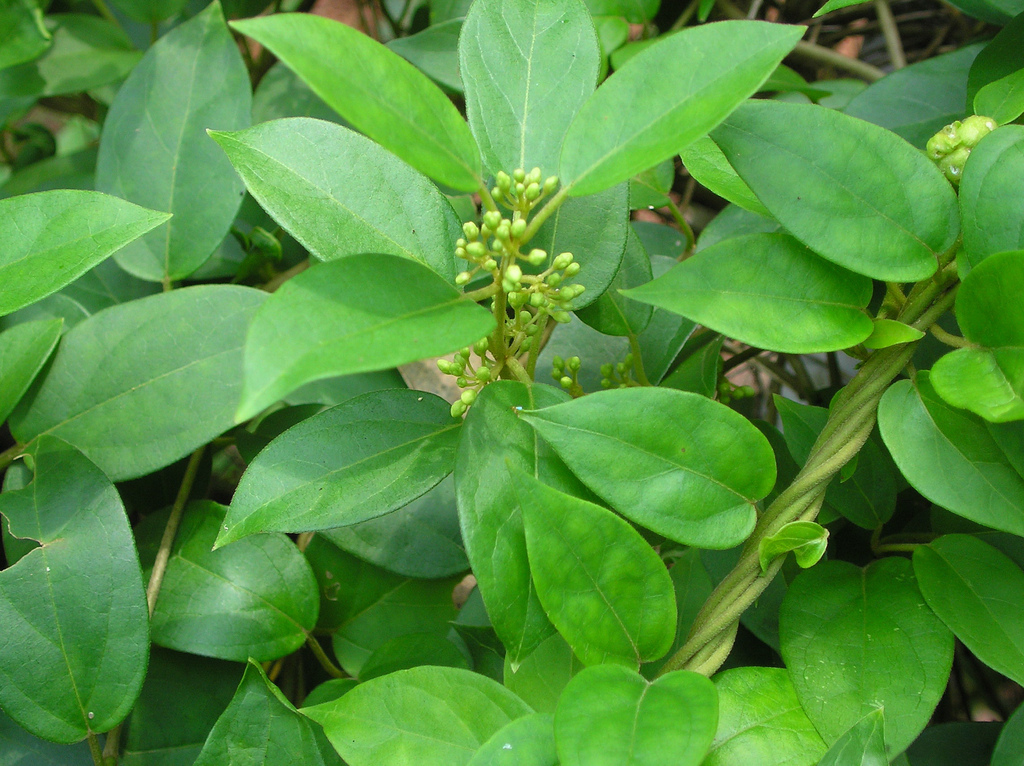
Among these, Gymnema sylvestre (Gurmar) has been extensively explored for its multi-target antidiabetic activity.
Mechanistic insights and molecular targets of Gymnema sylvestre (Gurmar)
Advanced analyses using network pharmacology and in silico modeling have identified multiple molecular targets associated with Gymnema sylvestre, including:
- AKT1
- TNF
- SRC
- IL1B
- EGFR
These targets are involved in key biological pathways such as:
- Regulation of cell survival
- Modulation of inflammatory responses
- Control of cellular proliferation
This multi-target interaction supports its relevance in complex metabolic disorders like diabetes mellitus.
Behavioral modulation and sugar intake regulation
Beyond biochemical mechanisms, behavioral factors significantly contribute to metabolic outcomes. The incentive sensitization model explains that repeated exposure to high-sugar foods enhances responsiveness of brain reward circuits to food-related cues, promoting overeating behavior.
Additional observations include:
- Elevated reward response to high-calorie food cues predicts future weight gain
- Sweet food exposure can modify preference and intake behavior
- Gymnema sylvestre (Gurmar)–containing formulations have been associated with reduced desire, pleasantness, and intake of sweet foods
- Gustatory modulation through plant-based agents may influence sugar craving regulation 2
Conclusion
Diabetes mellitus is a chronic metabolic disorder with significant systemic complications and therapeutic challenges. Ayurvedic and ethnobotanical evidence highlights the antidiabetic potential of medicinal plants, particularly Gymnema sylvestre (Gurmar), along with Tinospora cordifolia, Momordica charantia, and others in improving glycemic and metabolic parameters. In parallel, behavioral modulation of sweet food intake adds another dimension to disease management. Together, these pharmacological and behavioral insights support a multidimensional, plant-based approach to diabetes care. 3
References:
1. Tiwari P, Mishra BN, Sangwan NS. Phytochemical and pharmacological properties of Gymnema sylvestre: an important medicinal plant. Biomed Res Int. 2014;2014:830285. doi:10.1155/2014/830285. https://pmc.ncbi.nlm.nih.gov/articles/PMC3912882/
2. Turner S, Diako C, Kruger R, et al. The Effect of a 14-Day gymnema sylvestre Intervention to Reduce Sugar Cravings in Adults. Nutrients. 2022;14(24):5287. Published 2022 Dec 12. doi:10.3390/nu14245287. https://pmc.ncbi.nlm.nih.gov/articles/PMC9788288/#sec5-nutrients-14-05287
3. Mayyas A, Al-Samydai A, Oraibi AI, et al. Deciphering the Anti-Diabetic Potential of Gymnema Sylvestre Using Integrated Computer-Aided Drug Design and Network Pharmacology. J Cell Mol Med. 2025;29(1):e70349. doi:10.1111/jcmm.70349. https://pmc.ncbi.nlm.nih.gov/articles/PMC11733079/#jcmm70349-sec-0021