
Introduction
Inflammatory bowel disease (IBD) is a spectrum of chronic idiopathic inflammatory disorders affecting the intestine and is considered the second most common chronic inflammatory disease after rheumatoid arthritis. The two major forms of IBD are Crohn’s disease and ulcerative colitis, both of which contribute substantially to disease burden and hospitalization. IBD is a multifactorial condition with immunological, genetic, and environmental influences. In addition to chronic intestinal inflammation, abnormal histopathological changes, increased intestinal permeability, and oxidative stress play important roles in its pathophysiology. 1,2
Understanding inflammatory bowel disease
- IBD is characterized by persistent intestinal inflammation and significant morbidity.
- Crohn’s disease and ulcerative colitis represent the principal clinical manifestations of the disorder.
- The disease arises from the interaction of multiple factors, including immune dysregulation, genetic susceptibility, and environmental influences.
- Increased intestinal permeability and oxidative stress contribute to disease progression and tissue injury.
- The chronic inflammatory nature of IBD necessitates therapeutic approaches that address inflammation as well as associated intestinal dysfunction.3
Ayurvedic relevance of Bael in gastrointestinal disorders
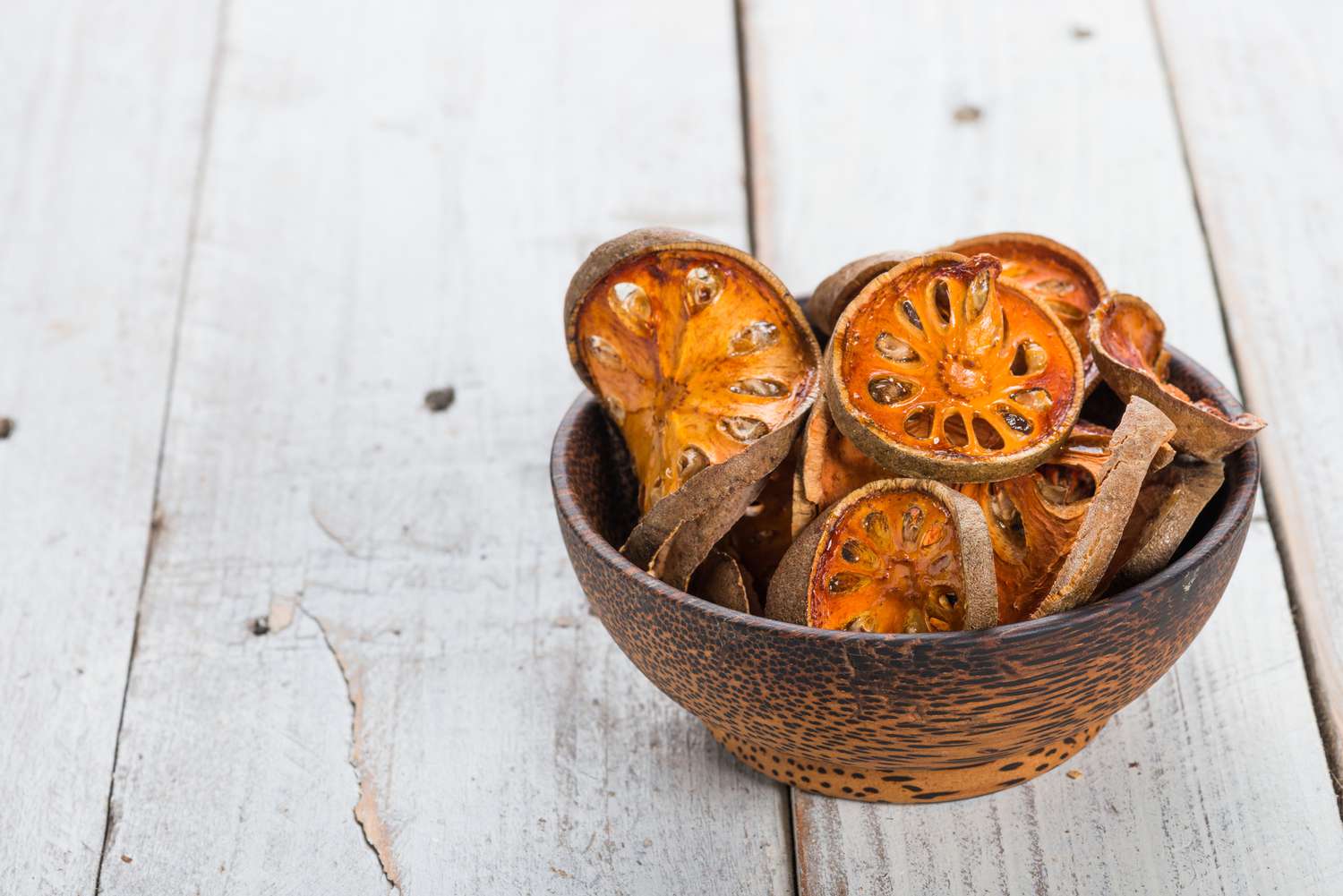
Aegle marmelos (Bael), belonging to the Rutaceae family, is among the oldest and most widely utilized medicinal plants in India. It has traditionally been valued for its therapeutic applications in gastrointestinal disorders and is used in conditions such as diarrhea, dysentery, and constipation.
The medicinal importance of Bael extends beyond digestive support due to its multiple biological properties, including:
- Anti-inflammatory activity
- Immunomodulatory effects
- Antibacterial properties
- Antioxidant potential
These attributes make Bael relevant in conditions characterized by chronic intestinal inflammation and impaired gastrointestinal function.
Protective actions in intestinal inflammation
The therapeutic value of Aegle marmelos in intestinal inflammatory conditions is associated with its ability to reduce the severity of intestinal inflammation. Its effects are linked to modulation of inflammatory mediators, including IL-1, IL-6, IL-8, and TNF-α.
In addition to its anti-inflammatory activity, Bael demonstrates:
- Antioxidant effects that may help counter oxidative stress associated with intestinal damage
- Mast cell stabilizing properties that may contribute to regulation of inflammatory responses
- A broad spectrum of activity attributed to its diverse polar and non-polar phytoconstituents
These combined actions support its role in maintaining intestinal health and mitigating inflammatory processes within the gastrointestinal tract. 4
Conclusion
IBD is a complex chronic inflammatory disorder involving immune dysregulation, oxidative stress, and intestinal barrier dysfunction. Within this context, Aegle marmelos (Bael) possesses multiple therapeutic attributes, including anti-inflammatory, antioxidant, immunomodulatory, antibacterial, and mast cell stabilizing activities. The presence of diverse phytoconstituents and its traditional use in gastrointestinal disorders highlight its relevance as a botanical agent with protective potential in intestinal inflammatory conditions.5
References:
1. Parkes M, Jewell D. Ulcerative colitis and Crohns disease: molecular genetics and clinical implications. Expert Rev Mol Med. 2001;2001:1-18. Published 2001 Nov 19. doi:10.1017/S146239940100391X. https://pubmed.ncbi.nlm.nih.gov/14987369/
2. Button LA, Roberts SE, Goldacre MJ, Akbari A, Rodgers SE, Williams JG. Hospitalized prevalence and 5-year mortality for IBD: record linkage study. World J Gastroenterol. 2010;16(4):431-438. doi:10.3748/wjg.v16.i4.431. https://pmc.ncbi.nlm.nih.gov/articles/PMC2811794/
3. Patel MA, Patel PK, Patel MB. Effects of ethanol extract of Ficus bengalensis (bark) on inflammatory bowel disease. Indian J Pharmacol. 2010;42(4):214-218. doi:10.4103/0253-7613.68420. https://pmc.ncbi.nlm.nih.gov/articles/PMC2941610/
4. NORTON S. Quantitative determination of mast cell fragmentation by compound 48/80. Br J Pharmacol Chemother. 1954;9(4):494-497. doi:10.1111/j.1476-5381.1954.tb00867.x. https://pmc.ncbi.nlm.nih.gov/articles/PMC1509458/
5. Behera JP, Mohanty B, Ramani YR, Rath B, Pradhan S. Effect of aqueous extract of Aegle marmelos unripe fruit on inflammatory bowel disease. Indian J Pharmacol. 2012;44(5):614-618. doi:10.4103/0253-7613.100389. https://pmc.ncbi.nlm.nih.gov/articles/PMC3480795/#sec1-4