
Introduction
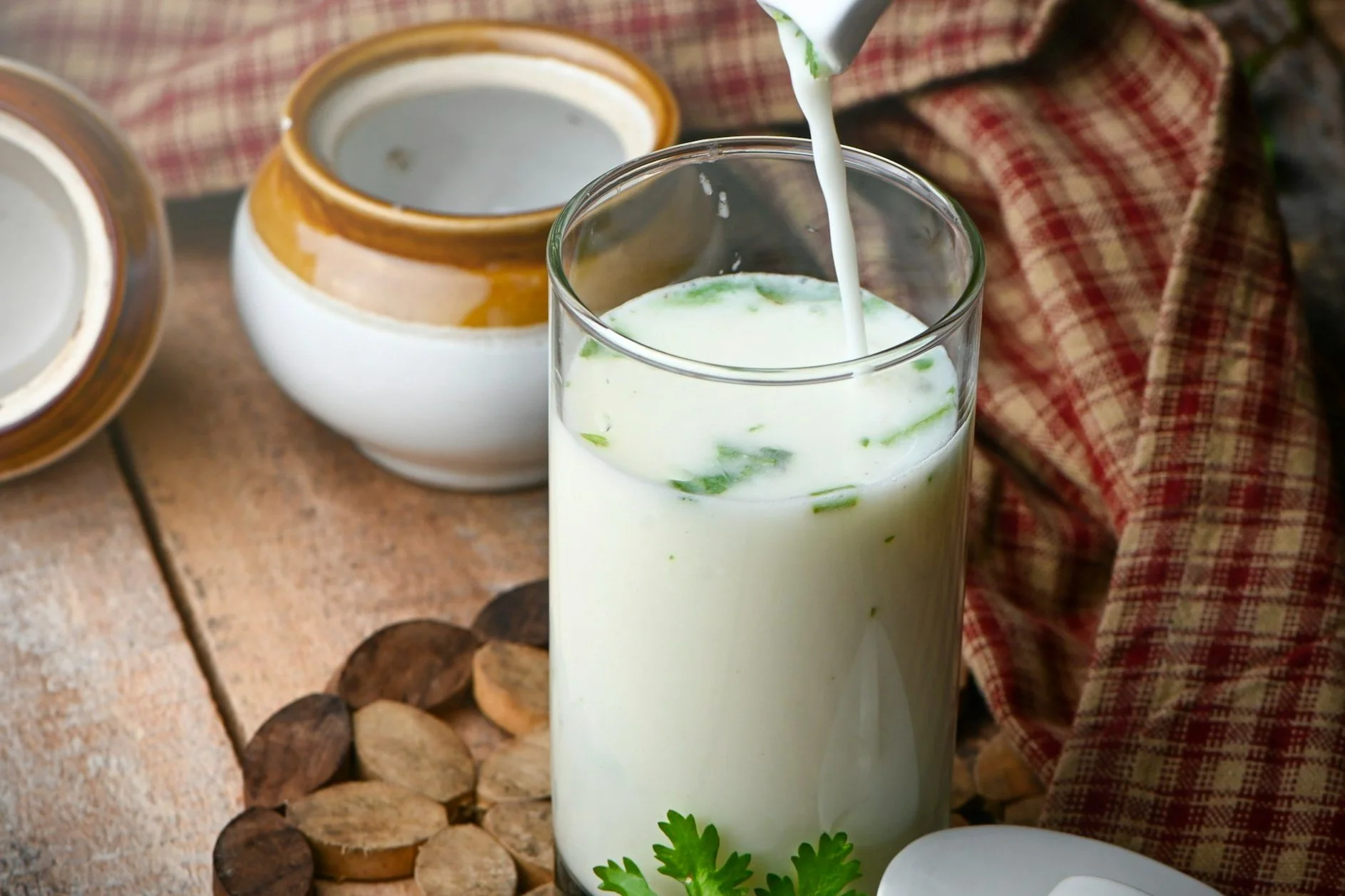
Takra (buttermilk), a traditional fermented dairy preparation widely used in Ayurveda, is regarded as both a functional food and a therapeutic agent for gastrointestinal health. Derived from the churning of curd, Takra is valued for its light digestibility, astringent taste, and sour profile. It has been extensively recommended in classical Ayurvedic texts for a range of digestive and metabolic disorders. Beyond its cultural and dietary significance, modern understanding also supports its role as a nutrient-rich, easily assimilable, and gut-friendly beverage that contributes to overall gastrointestinal balance.1
Takra in the management of Grahani and Digestive fire (Agni)
Takra has demonstrated notable benefits in Grahani Dosha (sprue-like malabsorption disorders), which is primarily associated with impaired Agni (digestive fire).
- In such conditions, Takra acts as a Deepana agent, stimulating digestive capacity and improving metabolic efficiency. It also possesses Grahi properties, helping regulate bowel function, while promoting Laghavatva (lightness in the body).
- These combined actions support the restoration of normal digestive physiology and strengthen intestinal function, thereby improving the clinical manifestations of Grahani disorders.
Tridosha-balancing properties of Takra
A key therapeutic advantage of Takra lies in its Tridoshaghna nature, meaning it helps balance all three doshas—Vata, Pitta, and Kapha—through different mechanisms.
- Its Madhura Vipaka (sweet post-digestive effect) and Snigdha guna make it beneficial in Vata disorders by providing lubrication and stability.
- In Pitta-related conditions, its cooling and nourishing nature helps reduce irritation and excessive heat.
- For Kapha imbalance, Takra exerts beneficial effects through its Kashaya rasa (astringent taste), Ushna virya (mild heating potency), Ruksha guna (dry property), and Vikashitva (relieving stiffness and promoting channel openness), thereby reducing mucus accumulation and heaviness.
Nutritional and digestive benefits of buttermilk
Traditionally, buttermilk is the liquid remaining after butter extraction from cream.
- It is considered a wholesome dietary component due to its balanced nutritional composition. It contains proteins, carbohydrates, minimal fats, vitamins, and essential enzymes, making it a complete and easily digestible food. Approximately 90% of buttermilk is water, which supports hydration and helps maintain fluid balance in the body.
- Because of its protein-bound structure, nutrients in buttermilk are absorbed gradually in the intestine, supporting sustained nourishment without overwhelming the digestive system. Its regular consumption is associated with improved digestion, reduced gastrointestinal discomfort, relief from bloating, and enhanced appetite. It is also traditionally used in conditions such as anemia, splenic disorders, gastrointestinal irritation, and general digestive weakness.
Physiological and metabolic benefits
- Fermented buttermilk is biologically rich and nutritionally dense, despite its light texture and sour taste. Its regular inclusion in the diet supports gastrointestinal efficiency and overall metabolic health.
- It is particularly beneficial in reducing post-meal heaviness and soothing the gastric mucosa after consumption of spicy or heavy foods. When combined with digestive spices such as ginger and cumin, its carminative and anti-irritant effects are further enhanced, helping relieve gastric discomfort and bloating.
- Takra also helps regulate body temperature and reduce internal heat, making it especially beneficial in individuals with high metabolic rates or heat-related discomfort. It is well tolerated and often preferred by individuals seeking a light, cooling, and restorative dietary option.
Conclusion
Takra represents a unique synergy of nutritional value and therapeutic potential in gastrointestinal health. Its ability to stimulate digestion, balance doshas, improve nutrient absorption, and soothe gastrointestinal irritation underscores its importance in both traditional Ayurvedic practice and modern dietary therapy. With its probiotic-like properties and digestive benefits, Takra remains a valuable functional food for maintaining gut health, metabolic balance, and overall well-being.2
References:
- Aswathy YS, Anandaraman PV. Therapeutic influence of some dietary articles on gut microbiota in the pathogenesis of rheumatoid arthritis (Amavata) - A review. Ayu. 2019;40(3):147-151. doi:10.4103/ayu.AYU_192_19. https://pmc.ncbi.nlm.nih.gov/articles/PMC7685262/
- Sourabh Gupta. Role of Takra (Ayurvedic Probiotic) in the Management of Gastrointestinal Disorders. Int. J. Res. Ayush Pharm. Res. 2021;5(4):529-535. https://ijraps.in/index.php/ijraps/article/view/106