
Introduction
Inflammation is a crucial defense mechanism of the body in response to tissue injury, characterized by a complex biological response to harmful stimuli such as physical injury, poisoning, infection, or other trauma. The onset of inflammation is often accompanied by pain, with hyperalgesia being a characteristic feature of inflammatory processes. Inflammatory pain does not necessarily diminish with the resolution of inflammation and may persist as a chronic condition influenced by genetic, biological, psychological, and social factors.1
Inflammatory pain as a chronic disease process
Chronic inflammatory pain may evolve into a self-sustaining clinical entity, extending beyond the initial inflammatory trigger. This progression highlights that pain is not merely a symptom but may become an independent pathological condition.
- Pain persistence may continue after resolution of primary inflammation
- Chronicity is influenced by genetic, biological, psychological, and social determinants
- Hyperalgesia is a defining feature of inflammatory states
- Transition from acute to chronic pain reflects complex biological regulation
Molecular pathways involved in inflammation
Inflammatory responses are regulated through multiple transcriptional mechanisms. One key regulator is AP-1 (Activating Protein-1), a dimeric transcription factor composed of Jun, Fos, or ATF subunits that binds to specific DNA sequences.
- AP-1/c-Jun regulates cell differentiation, survival, apoptosis, proliferation, transformation, and migration
- Upregulation of AP-1 activity is associated with inflammatory disease conditions
- AP-1 serves as a central molecular switch in inflammatory gene expression
These pathways contribute to the persistence and amplification of inflammatory responses in chronic disease states.2
Curcumin and its anti-inflammatory mechanisms
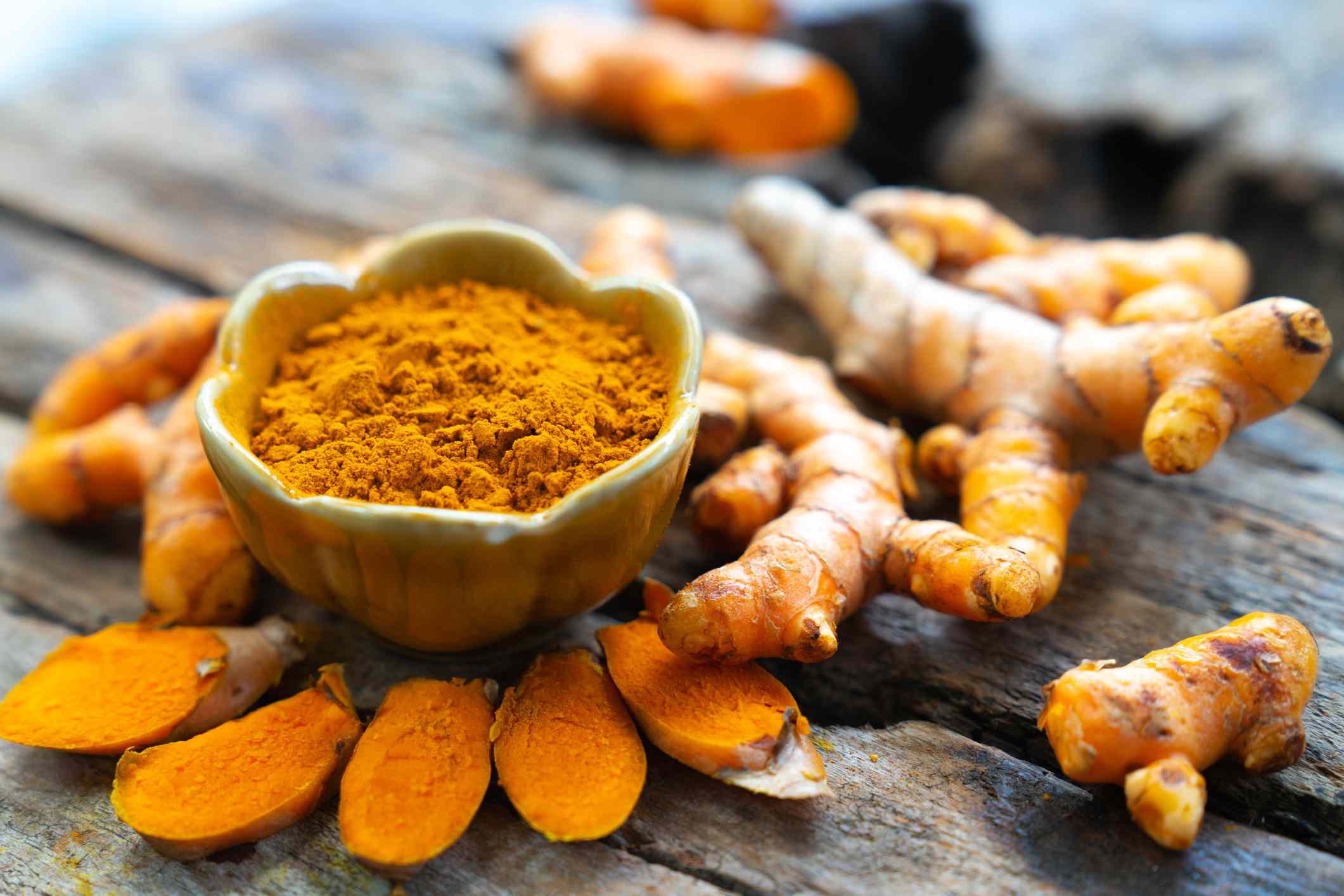
Curcumin is a natural compound extracted from the roots of turmeric, an ancient medicinal herb widely used in traditional systems. It is primarily responsible for the pharmacological effects of turmeric.
- Exhibits anti-inflammatory, analgesic, and antioxidant properties
- Modulates multiple transcription factors including NF-κB, AP-1, and Notch-1
- Demonstrates broad regulatory effects on inflammatory signaling pathways
Turmeric contains curcuminoids such as curcumin, desmethoxycurcumin, and bisdemethoxycurcumin. It has been used for thousands of years as both a spice and medicinal agent in Asian traditional medicine systems, particularly for anti-inflammatory and antimicrobial purposes.
Clinical relevance of curcumin in inflammation management
The multi-targeted action of curcumin highlights its therapeutic potential in inflammatory conditions. Its ability to regulate transcription factors involved in inflammation provides a mechanistic basis for its traditional use and modern pharmacological interest.
- Targets multiple inflammatory signaling pathways simultaneously
- Provides both symptomatic and molecular-level modulation of inflammation
- Supports traditional use with contemporary mechanistic evidence
Conclusion
Inflammation is a complex biological process that can progress into chronic pain through sustained molecular and cellular signaling pathways, including AP-1-mediated mechanisms. Curcumin, derived from turmeric, demonstrates significant anti-inflammatory potential by modulating key transcription factors involved in inflammatory regulation. Its multi-targeted activity supports its relevance as a therapeutic agent in managing inflammatory conditions from both traditional and molecular perspectives.3,4
References:
1. Razavi BM, Ghasemzadeh Rahbardar M, Hosseinzadeh H. A review of therapeutic potentials of turmeric (Curcuma longa) and its active constituent, curcumin, on inflammatory disorders, pain, and their related patents. Phytother Res. 2021;35(12):6489-6513. doi:10.1002/ptr.7224. https://onlinelibrary.wiley.com/doi/10.1002/ptr.7224
2. Bhosale PB, Kim HH, Abusaliya A, et al. Structural and Functional Properties of Activator Protein-1 in Cancer and Inflammation. Evid Based Complement Alternat Med. 2022;2022:9797929. Published 2022 May 26. doi:10.1155/2022/9797929. https://pmc.ncbi.nlm.nih.gov/articles/PMC9162854/
3. Zhu Y, Jiang Y, Lu X, et al. Curcumin relieves CFA-induced inflammatory pain by inhibiting the AP-1/c-Jun-CCL2-CCR2 pathway in the spinal dorsal horn. Mol Pain. 2025;21:17448069251323668. doi:10.1177/17448069251323668. https://pmc.ncbi.nlm.nih.gov/articles/PMC11869292/#ref-list1
4. Zafar A, Lahori D, Namit AF, et al. Curcumin in Inflammatory Complications: Therapeutic Applications and Clinical Evidence. Int J Mol Sci. 2025;26(19):9366. Published 2025 Sep 25. doi:10.3390/ijms26199366. https://pmc.ncbi.nlm.nih.gov/articles/PMC12524702/#sec1-ijms-26-09366