
Introduction
Non-alcoholic fatty liver disease (NAFLD) is a growing global health concern characterized by excessive fat accumulation in hepatocytes in the absence of significant alcohol consumption.1 It encompasses a spectrum ranging from simple steatosis to non-alcoholic steatohepatitis (NASH), fibrosis, and ultimately cirrhosis. NAFLD is strongly associated with metabolic syndrome, including obesity, insulin resistance, dyslipidemia, and type 2 diabetes mellitus. Despite its increasing prevalence, there is currently no universally approved pharmacological therapy, making lifestyle modification the cornerstone of management. In this context, herbal interventions have gained attention due to their multi-targeted actions on lipid metabolism, oxidative stress, inflammation, and gut–liver axis modulation.
Pathophysiology of NAFLD and therapeutic targets
NAFLD pathogenesis is multifactorial, involving insulin resistance, enhanced de novo lipogenesis, impaired fatty acid oxidation, and mitochondrial dysfunction. Oxidative stress and inflammatory cytokines such as TNF-α and IL-6 further contribute to hepatocellular injury. Increasing evidence also highlights the role of gut microbiota dysbiosis and increased intestinal permeability, which facilitate endotoxin translocation and hepatic inflammation through the gut–liver axis. Herbal medicines act on multiple pathways simultaneously, making them particularly suitable for managing such complex metabolic disorders.
Polyphenols and antioxidant-rich herbal agents
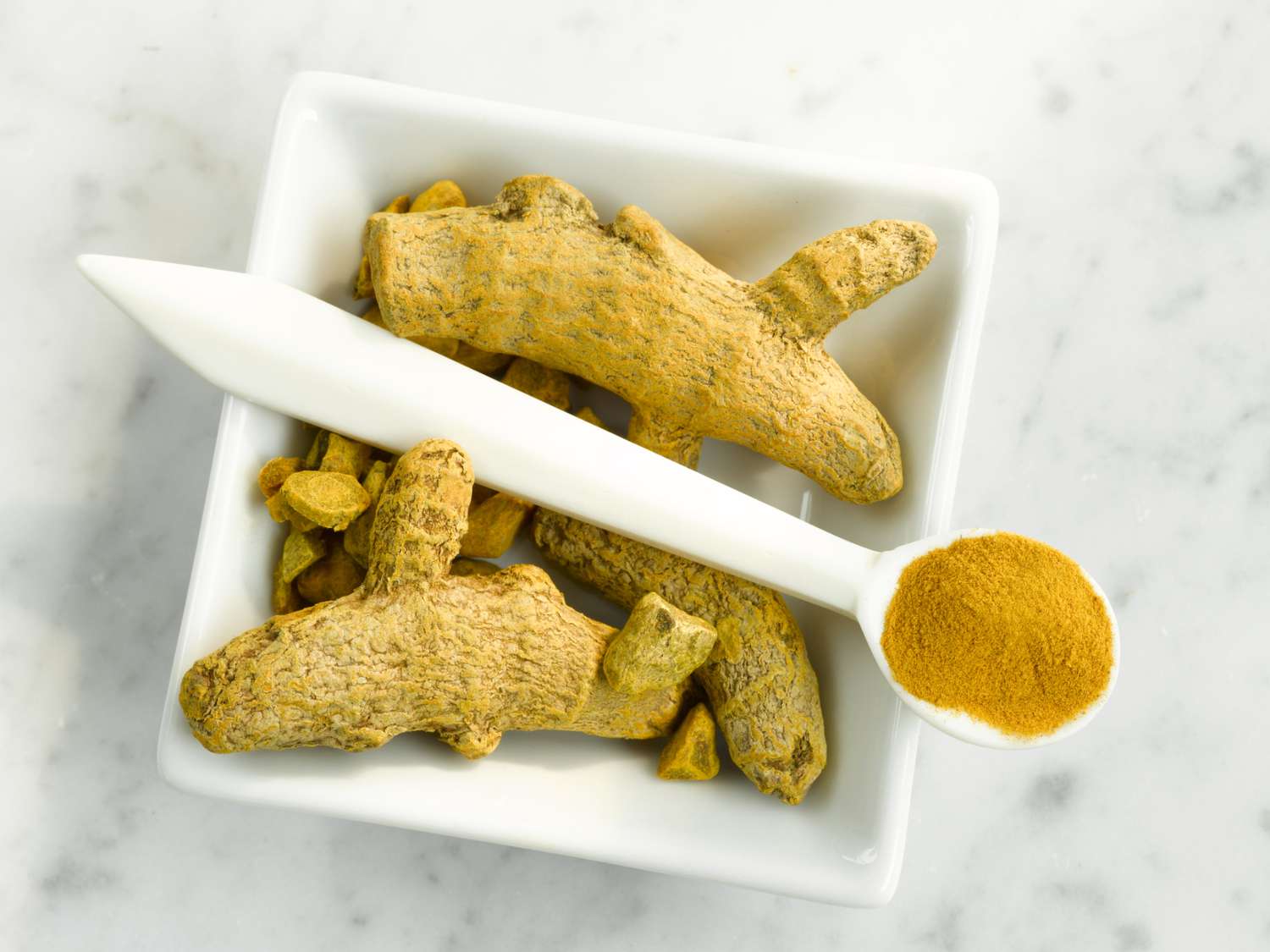
- Polyphenol-rich herbs are among the most extensively studied interventions for NAFLD. Curcumin, derived from Curcuma longa, has demonstrated hepatoprotective effects by reducing lipid accumulation, suppressing inflammatory pathways (NF-κB), and enhancing antioxidant defenses via activation of Nrf2 signaling. Clinical studies suggest improvements in liver enzymes and hepatic steatosis with curcumin supplementation.
- Similarly, green tea catechins, particularly epigallocatechin gallate (EGCG), improve hepatic fat metabolism and reduce oxidative stress. These compounds enhance mitochondrial β-oxidation and decrease lipogenesis, thereby reducing hepatic lipid deposition. Resveratrol, found in grapes, also improves insulin sensitivity and reduces hepatic inflammation through modulation of SIRT1 pathways.
Ayurvedic herbal formulations and liver protection
Traditional Ayurvedic formulations offer a holistic approach to liver health.
- Triphala, a combination of Terminalia chebula, Terminalia bellirica, and Emblica officinalis, exhibits antioxidant, anti-inflammatory, and lipid-lowering properties. It helps modulate gut microbiota, enhance short-chain fatty acid production, and reduce systemic inflammation, indirectly benefiting hepatic metabolism.
- Phyllanthus niruri (Bhumi Amla) is widely recognized for its hepatoprotective properties. It has been shown to reduce liver enzyme levels, inhibit lipid peroxidation, and improve bile secretion. Withania somnifera (Ashwagandha) also demonstrates metabolic benefits by reducing cortisol-mediated fat accumulation and improving insulin sensitivity.
- Other herbs such as Picrorhiza kurroa and Silybum marianum (milk thistle) contain active compounds like picrosides and silymarin, respectively, which stabilize hepatocyte membranes, reduce oxidative injury, and promote liver regeneration.
Gut–liver axis modulation by herbal therapies
A key mechanism through which herbal interventions act in NAFLD is modulation of the gut microbiota. Dysbiosis leads to increased production of lipopolysaccharides (LPS), which trigger hepatic inflammation. Herbal compounds promote the growth of beneficial microbes such as Lactobacillus and Bifidobacterium, improving intestinal barrier integrity and reducing endotoxemia. Additionally, microbial metabolites such as short-chain fatty acids regulate lipid metabolism and inflammatory responses in the liver.
Challenges and future directions
Despite promising preclinical and clinical evidence, challenges remain in standardization of herbal formulations, variability in bioactive compound concentration, and limited large-scale randomized controlled trials. Advances in metabolomics, microbiome profiling, and pharmacognosy are expected to improve understanding of herb–host interactions and optimize therapeutic efficacy. Personalized herbal medicine based on metabolic and microbiome signatures may represent the future of NAFLD management.
Conclusion
Herbal interventions offer a multi-targeted and promising adjunct approach for the management of NAFLD by addressing key pathogenic mechanisms including lipid dysregulation, oxidative stress, inflammation, and gut–liver axis dysfunction. Integrating evidence-based herbal medicine with lifestyle modification may provide a sustainable strategy for controlling disease progression and improving liver health outcomes.
References:
- Pouwels S, Sakran N, Graham Y, et al. Non-alcoholic fatty liver disease (NAFLD): a review of pathophysiology, clinical management and effects of weight loss. BMC Endocr Disord. 2022;22(1):63. Published 2022 Mar 14. doi:10.1186/s12902-022-00980-1 https://pmc.ncbi.nlm.nih.gov/articles/PMC8919523/
- Yan T, Yan N, Wang P, et al. Herbal drug discovery for the treatment of nonalcoholic fatty liver disease. Acta Pharm Sin B. 2020;10(1):3-18. doi:10.1016/j.apsb.2019.11.017 https://pmc.ncbi.nlm.nih.gov/articles/PMC6977016/