
Introduction
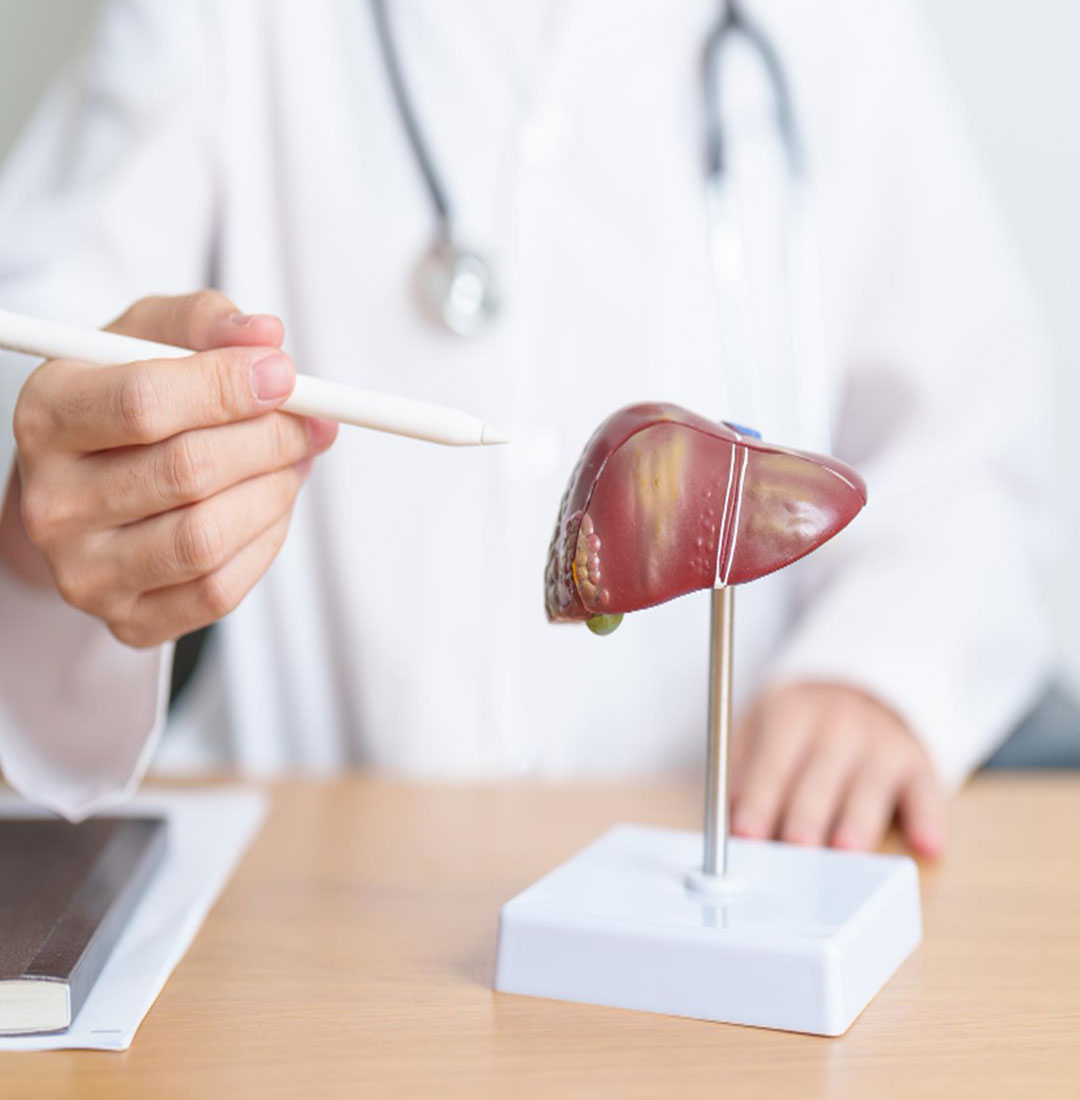
Hepatic cirrhosis with ascites represents an advanced stage of chronic liver disease characterized by progressive fibrosis, regenerative nodule formation, portal hypertension, and pathological accumulation of fluid in the peritoneal cavity. It represents the final stage of liver disease.1 From an Ayurvedic perspective, this condition can be correlated with Udara Roga (especially Jalodara) and involves profound derangement of Agni, Rakta, Meda, and Udaka vaha srotas. It is primarily associated with aggravated Pitta and Kapha doshas, along with secondary involvement of Vata in advanced stages, reflecting structural degeneration and fluid imbalance.
Ayurvedic pathophysiological framework
- In Ayurveda, hepatic dysfunction arises from persistent Agnimandya (impaired digestive and metabolic fire), leading to improper digestion and formation of Ama (toxic metabolites).
- This Ama, along with vitiated Pitta, affects the liver (Yakrit), resulting in inflammation, fibrosis, and impaired metabolic processing. Concurrently, aggravated Kapha leads to fluid retention and tissue heaviness, contributing to ascites formation. Obstruction of srotas (microchannels), particularly Rakta and Udaka vaha srotas, further worsens fluid accumulation in the abdominal cavity.
- As the disease progresses, Vata dosha becomes dominant due to tissue depletion (dhatu kshaya), leading to abdominal distension, loss of muscle mass, and systemic debility. The overall pathological state reflects a complex imbalance of all three doshas, with predominance shifting from Kapha–Pitta to Vata in later stages.
Therapeutic objectives in Ayurveda
The Ayurvedic management of hepatic cirrhosis with ascites is aimed at:
- Enhancing Agni and correcting metabolic dysfunction
- Eliminating Ama and detoxifying the system
- Reducing fluid accumulation (Jala nishkramana)
- Supporting liver regeneration and tissue nourishment
- Restoring doshic balance and improving quality of life
Multi-herbal therapeutic strategies
Ayurvedic treatment relies heavily on multi-herbal formulations that exert synergistic hepatoprotective, diuretic, anti-inflammatory, and immunomodulatory effects.
- Hepatoprotective herbal agents: Herbs such as Bhumyamalaki (Phyllanthus niruri), Kutki (Picrorhiza kurroa), Kalmegha (Andrographis paniculata), and Guduchi (Tinospora cordifolia) are widely used due to their potent Yakrit-rasayana (liver rejuvenating) properties. These herbs help reduce hepatic inflammation, inhibit fibrotic progression, and enhance hepatocellular regeneration through antioxidant and immunomodulatory mechanisms.
- Diuretic and anti-ascitic formulations: Management of ascites involves drugs with Mutrala (diuretic) and Shothahara (anti-inflammatory) properties. Herbal agents like Punarnava (Boerhavia diffusa) are particularly effective in reducing fluid retention by promoting renal clearance and balancing fluid homeostasis. Gokshura (Tribulus terrestris) further supports urinary function and reduces abdominal edema.
- Digestive and metabolic enhancers: Improving Agni is essential for preventing further Ama formation. Herbs such as Trikatu (combination of ginger, black pepper, and long pepper) enhance digestive fire, improve bioavailability of nutrients, and reduce metabolic stagnation. Tripahala supports detoxification and intestinal cleansing, indirectly benefiting liver function through gut–liver axis modulation.
- Rasayana therapy (rejuvenation): In chronic cirrhosis, Rasayana therapy is essential for systemic rejuvenation and immune support. Guduchi and Amla (Emblica officinalis) are commonly used for their rejuvenating and antioxidant properties, helping to improve vitality, reduce fatigue, and enhance hepatic resilience.
Integrative lifestyle and dietary measures
Dietary regulation (Pathya) plays a crucial role. Light, easily digestible foods that are Kapha-Pitta pacifying are recommended, while heavy, oily, and fermented foods should be avoided. Salt intake is regulated to reduce fluid retention. Lifestyle practices such as adequate rest, stress reduction, and gentle yoga improve circulation and support hepatic function.
Conclusion
Ayurvedic multi-herbal therapeutic strategies for hepatic cirrhosis with ascites offer a comprehensive and integrative approach targeting the root pathophysiological disturbances. By combining hepatoprotective, diuretic, digestive, and rejuvenative herbs with dietary and lifestyle modifications, Ayurveda aims to restore systemic balance, reduce disease progression, and improve quality of life. While advanced cirrhosis remains a challenging clinical condition, these traditional interventions provide valuable supportive and adjunctive benefits in holistic liver care.2
References:
- Del Cioppo S, Faccioli J, Ridola L. Hepatic cirrhosis and decompensation: Key indicators for predicting mortality risk. World J Hepatol. 2025;17(3):104580. doi:10.4254/wjh.v17.i3.104580 https://pmc.ncbi.nlm.nih.gov/articles/PMC11959669/
- Patel MV, Patel KB, Gupta S, Michalsen A, Stapelfeldt E, Kessler CS. A Complex Multiherbal Regimen Based on Ayurveda Medicine for the Management of Hepatic Cirrhosis Complicated by Ascites: Nonrandomized, Uncontrolled, Single Group, Open-Label Observational Clinical Study. Evid Based Complement Alternat Med. 2015;2015:613182. doi:10.1155/2015/613182 https://pmc.ncbi.nlm.nih.gov/articles/PMC4539059/#sec4