
Introduction
Functional dyspepsia (FD) is a prevalent functional gastrointestinal disorder characterized by chronic or recurrent upper abdominal symptoms, including postprandial fullness, early satiety, epigastric pain, and epigastric burning, without identifiable structural disease on routine evaluation. According to Rome IV criteria and recent gastroenterology guidelines, FD is considered a multifactorial disorder involving impaired gastric accommodation, delayed gastric emptying, visceral hypersensitivity, low-grade duodenal inflammation, altered gut–brain axis signaling, and psychosocial influences.
Standard management includes proton pump inhibitors, prokinetics, H. pylori eradication when indicated, and centrally acting neuromodulators. However, therapeutic response is often incomplete, and relapse is common, creating a clinical need for complementary approaches. In this context, herbal medicine has gained increasing attention as a multi-targeted therapeutic strategy supported by emerging clinical and experimental evidence.
Rationale for herbal medicine in functional dyspepsia
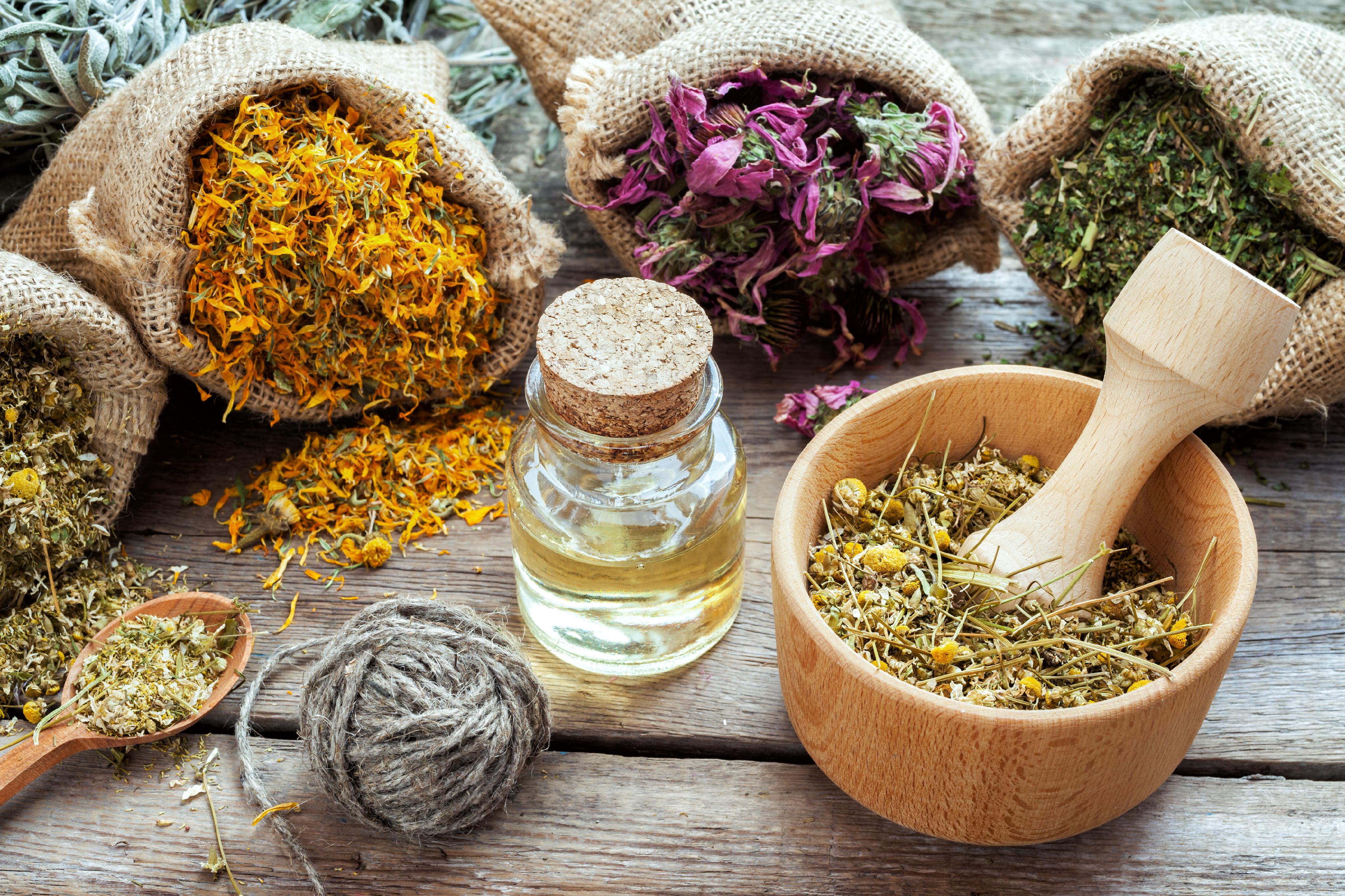
- Herbal therapies are increasingly explored due to their ability to act on multiple pathophysiological pathways simultaneously. These include modulation of gastric motility, improvement of gastric accommodation, anti-inflammatory activity, antioxidant effects, and regulation of visceral hypersensitivity. Many plant-derived compounds also influence gut–brain axis signaling, which plays a central role in FD symptom generation.
- Compared to single-target pharmacological agents, herbal formulations may offer broader symptomatic relief, particularly for overlapping symptoms such as bloating, fullness, and epigastric discomfort. Their generally favorable safety profile further supports their role as adjunctive options in FD management.1
Iberogast (STW 5): Multi-target herbal formulation
- Iberogast (STW 5) is one of the most extensively studied herbal preparations for functional gastrointestinal disorders. It contains extracts from nine medicinal plants and exerts both prokinetic and spasmolytic effects, helping to normalize gastrointestinal motility. Clinical evidence suggests significant improvement in epigastric pain, postprandial fullness, and overall dyspeptic symptom scores.
- Mechanistically, Iberogast modulates gastric smooth muscle tone, reduces visceral hypersensitivity, and exerts anti-inflammatory effects through inhibition of NF-κB and iNOS pathways. It also supports mucosal protection and functional coordination of the upper gastrointestinal tract, making it one of the most evidence-supported phytotherapeutic agents in FD.
Curcumin (Curcuma longa): Anti-inflammatory and motility-modulating effects
- Curcumin, the active compound of Curcuma longa, has demonstrated anti-inflammatory, antioxidant, and prokinetic properties relevant to FD. It may enhance gastric emptying, reduce oxidative stress, and modulate cytokine-mediated inflammation within the gastrointestinal tract.
- Emerging clinical studies suggest improvement in dyspeptic symptom severity, particularly when used in combination with bioavailability enhancers such as piperine or herbal synergistic formulations. Its influence on gut–brain axis signaling further supports its therapeutic relevance in functional gastrointestinal disorders.
Peppermint oil (Mentha piperita): Smooth muscle relaxant and analgesic
- Peppermint oil, rich in menthol, acts on calcium channels and transient receptor potential (TRP) channels, leading to smooth muscle relaxation and analgesic effects. In FD, it has been associated with reductions in epigastric pain, bloating, and postprandial discomfort.
- Its additional carminative, antimicrobial, and anti-inflammatory properties may further contribute to symptom relief. However, most evidence is extrapolated from broader functional gastrointestinal disorder studies, and FD-specific randomized controlled trials remain limited.
Ginger (Zingiber officinale) and other herbal agents
- Ginger has been traditionally used for gastrointestinal complaints and demonstrates prokinetic properties by enhancing gastric emptying and modulating cholinergic activity. Preclinical studies suggest benefits in reducing nausea and epigastric discomfort, although clinical results in FD are inconsistent, indicating the need for standardized formulations and dosing strategies.
- Other herbal agents, including fennel (Foeniculum vulgare) and artichoke leaf extract (Cynara scolymus), have shown potential benefits through antispasmodic, carminative, and bile-modulating effects. These actions may help alleviate bloating and improve gastric relaxation, targeting key symptom clusters in FD.
Limitations and evidence gaps
Despite promising findings, herbal medicine in FD is limited by heterogeneity in study design, variability in formulations, small sample sizes, and lack of long-term safety data. Current gastroenterology guidelines recommend their use only as adjunctive therapies rather than replacements for standard care.
Conclusion
Herbal medicine represents a promising complementary approach for the management of functional dyspepsia due to its multi-target pharmacological actions on gastric motility, inflammation, visceral sensitivity, and gut–brain axis regulation. Agents such as Iberogast, curcumin, peppermint oil, and ginger show the most encouraging evidence for symptom improvement.
However, further large-scale, well-designed randomized controlled trials are required to standardize formulations, confirm efficacy, and establish long-term safety. Integrating evidence-based herbal therapies with conventional treatment may ultimately provide a more comprehensive and patient-centered approach to functional dyspepsia management.2
References:
- Gwee KA, Holtmann G, Tack J, et al. Herbal medicines in functional dyspepsia-Untapped opportunities not without risks. Neurogastroenterol Motil. 2021;33(2):e14044. doi:10.1111/nmo.14044 https://pmc.ncbi.nlm.nih.gov/articles/PMC7900952/#nmo14044-sec-0007
- Heiran A, Bagheri Lankarani K, Bradley R, Simab A, Pasalar M. Efficacy of herbal treatments for functional dyspepsia: A systematic review and meta-analysis of randomized clinical trials. Phytother Res. 2022;36(2):686-704. doi:10.1002/ptr.7333 https://onlinelibrary.wiley.com/doi/10.1002/ptr.7333