
Introduction
Ageing is a progressive, unidirectional biological process that contributes to multiple chronic disorders, including cancer, cataract, osteoporosis, hypertension, cardiovascular diseases, metabolic dysfunction, and neurodegenerative conditions such as Alzheimer’s disease and Parkinson’s disease.1 At the cellular level, telomere shortening is identified as a major driver of ageing-related degeneration, where progressive loss of chromosomal end protection leads to reduced cellular integrity and function.
Telomere dynamics and cellular ageing mechanisms
Telomeres undergo gradual shortening with each DNA replication cycle, eventually reaching critically reduced lengths associated with cellular senescence.
- Telomerase is the key enzyme responsible for maintaining telomere integrity by adding TTAGGG repeats during replication
- Low telomerase activity in human cells contributes to accelerated telomere shortening and impaired DNA repair capacity.2,3
- Reduced telomerase activity is therefore associated with accelerated biological ageing and degenerative processes.4
Rasayana concept and anti-ageing potential of Ayurvedic medicine
Ayurvedic Rasayana formulations are traditionally used to promote vitality, immunity, longevity, and resistance to stress. These interventions are described as supportive of healthy ageing and cellular rejuvenation.
- Rasayana herbs are associated with prevention of degenerative changes at tissue and cellular levels
- They are widely explored for their potential role in delaying ageing-associated dysfunctions
Key Rasayana herbs and cellular effects
Several Ayurvedic medicinal plants demonstrate anti-ageing and cytoprotective potential through antioxidant, genomic, and telomere-related mechanisms.
- Ashwagandha (Withania somnifera): Rejuvenating adaptogen traditionally used as an anti-ageing agent; shown to extend lifespan by ~20% in Caenorhabditis elegans
- Guduchi (Tinospora cordifolia): Rasayana herb used in inflammation, arthritis, allergy, diabetes, and ageing-related conditions
- Mandukaparni (Centella asiatica): Improves memory and rejuvenation; shown to increase telomerase activity nearly nine-fold in human peripheral blood mononuclear cells.5
- Brahmi (Bacopa monnieri) and Shankhapushpi (Convolvulus pluricaulis): Traditionally used nootropic and tonic agents supporting cognitive health
- Vacha (Acorus calamus): Exhibits antioxidant and cytoprotective activity
- Yashtimadhu (Glycyrrhiza glabra): Enhances DNA resistance against oxidative and chemical-induced damage
- Tulsi (Ocimum basilicum): Essential oil associated with increased telomere length and suppression of telomeric repeat binding factor 1 (TERF-1)
- Haridra (Curcuma longa): Protects against lipid peroxide-induced DNA damage
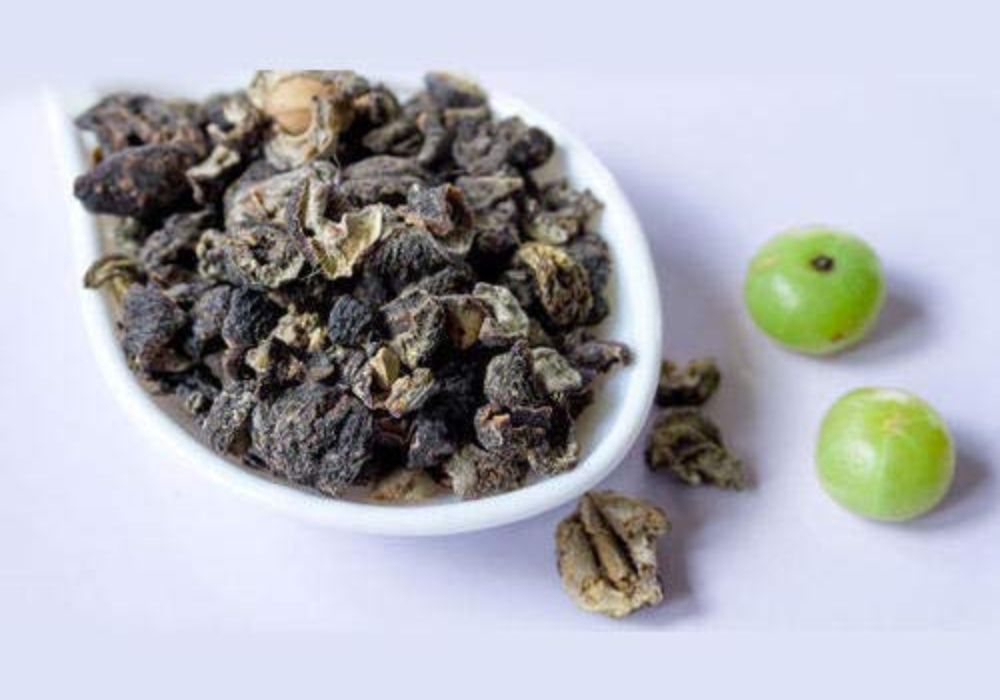
- Amalaki Rasayana (Emblica officinalis-based formulation): Classical Rasayana formulation used for prevention and management of age-related conditions
Conclusion
Ageing is strongly influenced by telomere shortening and reduced telomerase activity, leading to progressive cellular decline and degenerative disease burden. Ayurvedic Rasayana herbs demonstrate multifaceted bioactivity, including antioxidant, genomic stabilisation, and telomere-modulating effects. Collectively, these findings support the relevance of traditional formulations in addressing biological ageing through cellular and molecular pathways.6
References:
1. Jin K, Simpkins JW, Ji X, Leis M, Stambler I. The Critical Need to Promote Research of Aging and Aging-related Diseases to Improve Health and Longevity of the Elderly Population. Aging Dis. 2014;6(1):1-5. Published 2014 Dec 15. doi:10.14336/AD.2014.1210. https://pmc.ncbi.nlm.nih.gov/articles/PMC4306469/
2. Blackburn EH. Switching and signaling at the telomere. Cell. 2001;106(6):661-673. doi:10.1016/s0092-8674(01)00492-5. https://linkinghub.elsevier.com/retrieve/pii/S0092-8674(01)00492-5
3. Greider CW, Blackburn EH. Identification of a specific telomere terminal transferase activity in Tetrahymena extracts. Cell. 1985;43(2 Pt 1):405-413. doi:10.1016/0092-8674(85)90170-9. https://linkinghub.elsevier.com/retrieve/pii/0092-8674(85)90170-9
4. Mu J, Wei LX. Telomere and telomerase in oncology. Cell Res. 2002;12(1):1-7. doi:10.1038/sj.cr.7290104. https://www.nature.com/articles/7290104
5. Tsoukalas D, Fragkiadaki P, Docea AO, et al. Discovery of potent telomerase activators: Unfolding new therapeutic and anti-aging perspectives. Mol Med Rep. 2019;20(4):3701-3708. doi:10.3892/mmr.2019.10614. https://pmc.ncbi.nlm.nih.gov/articles/PMC6755196/
6. Sharma R, Martins N. Telomeres, DNA Damage and Ageing: Potential Leads from Ayurvedic Rasayana (Anti-Ageing) Drugs. J Clin Med. 2020;9(8):2544. Published 2020 Aug 6. doi:10.3390/jcm9082544. https://pmc.ncbi.nlm.nih.gov/articles/PMC7465058/