
Introduction
Disorders of gut–brain interaction (DGBIs) are functional gastrointestinal conditions arising from a complex bidirectional communication between the gut and central nervous system. Their global prevalence is estimated at nearly 40% and has shown an increase following the COVID-19 pandemic. Among these, irritable bowel syndrome (IBS) is one of the most extensively studied conditions, affecting approximately 4-15% of the global population depending on diagnostic criteria and geographic variation. IBS is more prevalent among young adults, particularly females, and represents a significant public health concern due to its chronicity and impact on quality of life.1
Pathophysiology: Multifactorial nature of IBS
The etiology of IBS is multifactorial and incompletely understood. Key mechanisms include dysregulation of the gut–brain axis, altered gut microbiota composition, immune activation, hypothalamic–pituitary–adrenal (HPA) axis involvement, and visceral hypersensitivity. Environmental triggers such as psychological stress, dietary patterns, and infections further contribute to symptom manifestation. The enteric nervous system (ENS) also plays a critical role in regulating gastrointestinal motility and sensory function, highlighting the complexity of IBS pathogenesis.
Diagnosis and clinical subtypes
Due to its heterogeneous pathophysiology, IBS is diagnosed based on symptom-based Rome IV criteria. Diagnosis requires recurrent abdominal pain occurring at least one day per week over the past three months, associated with two or more of the following: relation to defecation, change in stool frequency, or change in stool form. IBS is further classified into four subtypes: IBS with diarrhea (IBS-D), IBS with constipation (IBS-C), mixed IBS (IBS-M), and unclassified IBS (IBS-U), reflecting variability in bowel habits and symptom patterns.
Disease burden and therapeutic challenges
Although IBS is not life-threatening, it significantly impairs quality of life, leading to reduced productivity, increased healthcare utilization, and psychosocial distress. Current pharmacological therapies are largely symptom-directed, targeting either constipation or diarrhea, but often fail to provide sustained relief. Additionally, their limited efficacy across heterogeneous patient populations and associated adverse effects underscore the need for alternative and adjunctive treatment strategies.
Rise of complementary and plant-based therapies
Given these limitations, complementary and alternative medicine (CAM) approaches, particularly plant-derived therapies, are gaining increasing attention. Herbal medicines are widely used due to their perceived safety, multi-targeted mechanisms, and potential to address underlying pathophysiological pathways. Major systems include Traditional Chinese Medicine (TCM) and Western Herbal Medicine (WHM), both of which have contributed extensively to IBS-related herbal research.
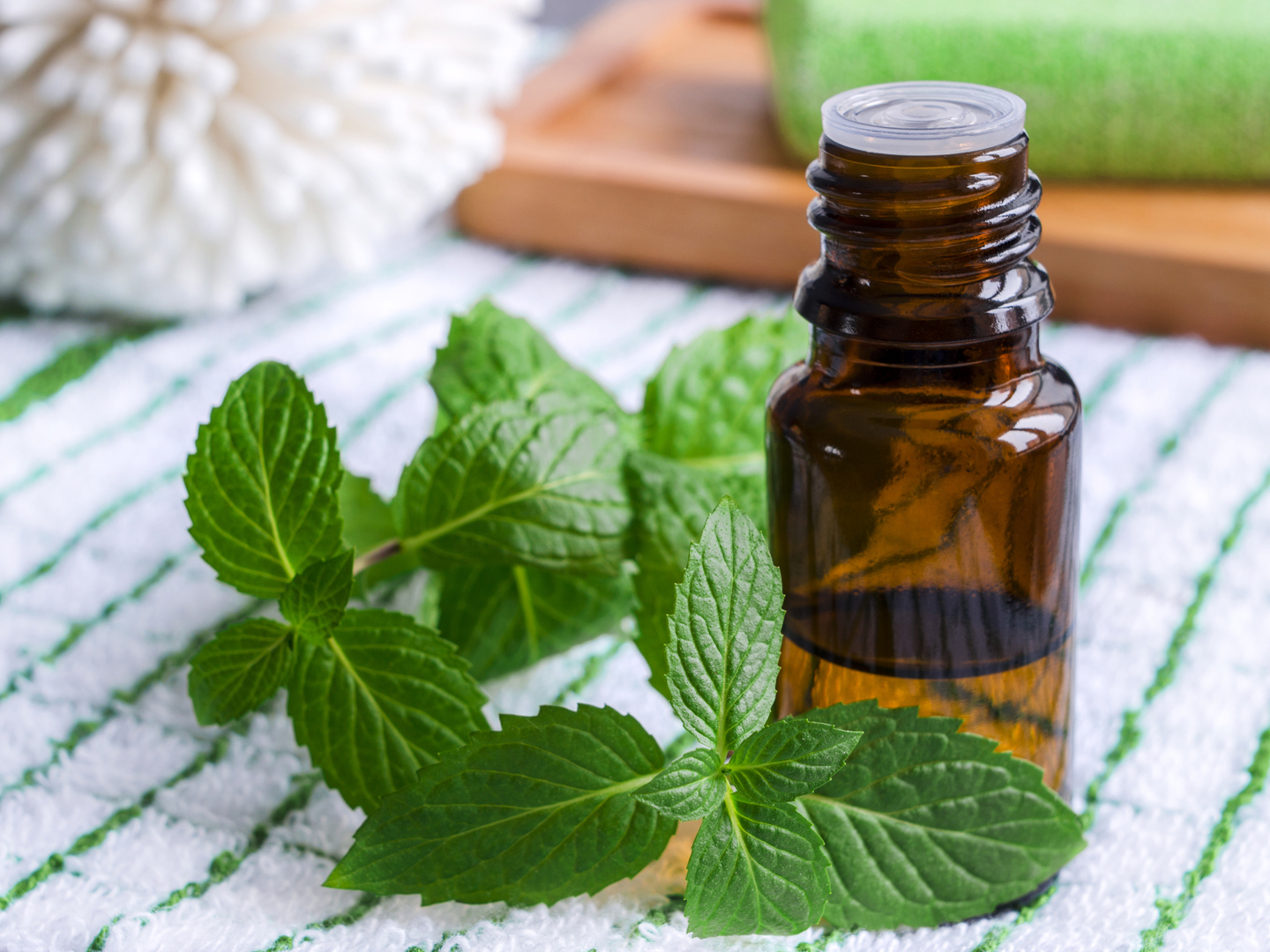
- Peppermint oil- most studied herbal intervention: Peppermint oil (Mentha piperita), rich in menthol, is the most extensively studied herbal therapy in IBS. Its therapeutic effects are mediated through multiple mechanisms, including calcium channel blockade leading to smooth muscle relaxation, modulation of TRP channels, analgesic effects via serotonin receptor inhibition, and antimicrobial activity influencing gut microbiota composition. Clinical trials demonstrate significant improvement in abdominal pain and global IBS symptoms with enteric-coated formulations. Meta-analyses further support its safety and superiority over placebo, although direct comparisons with standard pharmacological agents remain limited.
- Iberogast: Iberogast, a combination of nine herbal extracts, exerts spasmolytic, anti-inflammatory, and microbiota-modulating effects. Mechanistically, it reduces smooth muscle hyperactivity through calcium channel inhibition and decreases visceral hypersensitivity via modulation of TRPA1/TRPV1 pathways. It also suppresses inflammatory signaling pathways such as NF-κB and enhances gut barrier integrity. Clinical studies report improvements in abdominal pain, bloating, and overall IBS symptom scores with good tolerability.
- Curcuma longa (turmeric): Curcumin, the active compound in turmeric, demonstrates anti-inflammatory and neuromodulatory effects relevant to IBS. It influences serotonin pathways, regulates gut motility, and modifies intestinal microbiota composition. Clinical studies indicate improvement in IBS symptom severity and quality of life, particularly when used alone or in combination with Boswellia serrata, although methodological limitations exist.2
Preclinical evidence for plant-derived compounds
Experimental studies further support the potential of plant-derived compounds such as Scutellaria baicalensis, Linderae Radix, green tea catechins, and Serpylli herba. These agents demonstrate anti-inflammatory, analgesic, and microbiota-modulating effects in animal models of IBS, suggesting multiple mechanistic pathways including ion channel modulation, serotonin regulation, and immune signaling attenuation.3
Conclusion
Plant-derived therapies represent a promising adjunct in IBS management due to their multi-targeted mechanisms, including modulation of gut motility, visceral sensitivity, immune responses, and microbiota composition. Among them, peppermint oil and multi-herbal formulations such as Iberogast have the strongest clinical evidence. However, heterogeneity in study design, limited head-to-head comparisons with standard therapies, and a lack of long-term data remain significant limitations. Future well-designed randomized controlled trials are essential to establish standardized dosing, safety profiles, and comparative efficacy. Integrating plant-based therapies with conventional treatment may offer a more holistic and effective approach to IBS management.
References:
- Huang KY, Wang FY, Lv M, Ma XX, Tang XD, Lv L. Irritable bowel syndrome: Epidemiology, overlap disorders, pathophysiology and treatment. World J Gastroenterol. 2023;29(26):4120-4135. doi:10.3748/wjg.v29.i26.4120 https://pmc.ncbi.nlm.nih.gov/articles/PMC10354571/
- Pastras P, Aggeletopoulou I, Bali M, Triantos C. Plant-Derived Treatments for IBS: Clinical Outcomes, Mechanistic Insights, and Their Position in International Guidelines. Nutrients. 2026;18(2):183. Published 2026 Jan 6. doi:10.3390/nu18020183 https://pmc.ncbi.nlm.nih.gov/articles/PMC12845297/#sec1-nutrients-18-00183
- Vakiti S, Farriss L, Mehta H, et al. The Efficacy of Ayurvedic Herbs in the Prevention and Treatment of Inflammatory Bowel Disease: A Scoping Review. Cureus. 2025;17(5):e84410. Published 2025 May 19. doi:10.7759/cureus.84410 https://pmc.ncbi.nlm.nih.gov/articles/PMC12176073/