
Introduction
Type 2 diabetes mellitus (T2DM) is a chronic metabolic disorder characterized by insulin resistance, impaired insulin secretion, and progressive β-cell dysfunction, resulting in persistent hyperglycemia.1 Globally, the prevalence of this condition is increasing, and is expected to reach 592 million people by 2035, while India has the second-largest diabetic population of around 61.5 million.2 Despite the availability of several pharmacological agents, the increasing prevalence of T2DM and the associated burden of cardiovascular, renal, and metabolic complications have stimulated interest in complementary therapeutic approaches. Among medicinal plants with documented anti-diabetic properties, Gymnema sylvestre (GS) and Trigonella foenum-graecum (TFG; fenugreek) have attracted considerable attention due to their ability to modulate glucose homeostasis through multiple mechanisms. Emerging evidence suggests that combining these botanicals may offer synergistic benefits for glycemic control and metabolic health.
Anti-diabetic potential of Gymnema sylvestre
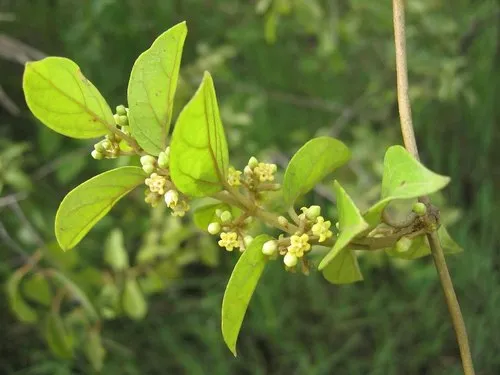
Gymnema sylvestre, commonly known as “gurmar” or “sugar destroyer,” has been extensively used in traditional medicine for managing diabetes.3 The plant contains bioactive compounds, including gymnemic acids, gurmarin, flavonoids, and saponins, which contribute to its glucose-lowering effects.
Mechanisms of action:
- Enhancement of insulin secretion:
Gymnemic acids have been shown to stimulate pancreatic β-cell function, promoting endogenous insulin release and potentially supporting β-cell regeneration. - Reduction of intestinal glucose absorption:
Gymnemic acids structurally resemble glucose molecules and can competitively inhibit glucose absorption in the intestinal epithelium, thereby reducing postprandial hyperglycemia. - Improvement of insulin sensitivity:
Studies indicate that Gymnema sylvestre enhances insulin signaling pathways and glucose utilization in peripheral tissues. - Suppression of sweet taste perception:
The herb temporarily blocks sweet taste receptors, reducing sugar cravings and potentially supporting dietary adherence in diabetic patients.
Clinical evidence:
Clinical investigations have demonstrated reductions in fasting blood glucose, postprandial glucose levels, and glycated hemoglobin (HbA1c) following supplementation with Gymnema sylvestre. Some studies also report decreased requirements for conventional anti-diabetic medications in patients receiving GS adjunctively.
Anti-diabetic potential of Trigonella foenum-graecum
Trigonella foenum-graecum, commonly known as fenugreek, is a medicinal and culinary herb rich in soluble fiber, alkaloids, amino acids, flavonoids, and steroidal saponins. Its seeds contain several bioactive constituents, including 4-hydroxyisoleucine, trigonelline, and galactomannan, which contribute to its anti-diabetic activity.4
Mechanisms of action:
- Delayed carbohydrate absorption:
The high soluble fiber content of fenugreek slows gastric emptying and intestinal carbohydrate absorption, attenuating postprandial glucose excursions. - Stimulation of insulin secretion:
4-Hydroxyisoleucine has been shown to enhance glucose-dependent insulin secretion from pancreatic β-cells. - Improvement of insulin sensitivity:
Fenugreek improves peripheral glucose uptake and reduces insulin resistance through modulation of insulin signaling pathways. - Lipid-lowering effects:
Fenugreek supplementation has been associated with reductions in total cholesterol, low-density lipoprotein cholesterol, and triglycerides, addressing common metabolic abnormalities in T2DM.
Clinical evidence:
Numerous clinical trials have demonstrated improvements in fasting plasma glucose, postprandial glucose levels, HbA1c, and insulin sensitivity among individuals consuming fenugreek seed preparations. These findings support its role as a valuable adjunct in diabetes management.
Synergistic benefits of combining Gymnema sylvestre and Trigonella foenum-graecum
The combination of GS and TFG represents a promising phytotherapeutic strategy because their mechanisms of action are complementary and target multiple aspects of T2DM pathophysiology.5
Potential synergistic mechanisms:
- Dual modulation of glucose absorption:
While gymnemic acids inhibit intestinal glucose uptake, fenugreek fiber slows carbohydrate digestion and absorption, collectively reducing postprandial glycemic spikes. - Enhanced pancreatic support:
Both herbs promote insulin secretion through distinct pathways, potentially improving β-cell function and preserving endogenous insulin production. - Improved insulin sensitivity:
The combined action may enhance glucose utilization in skeletal muscle and adipose tissue, reducing insulin resistance. - Comprehensive metabolic benefits:
In addition to glycemic control, the combination may improve lipid profiles, body weight regulation, oxidative stress, and inflammatory markers commonly associated with T2DM.
Impact on oxidative stress and inflammation
Chronic hyperglycemia induces oxidative stress and low-grade inflammation, both of which contribute to diabetic complications. The antioxidant polyphenols, flavonoids, and saponins present in GS and TFG may reduce reactive oxygen species generation, improve endothelial function, and attenuate inflammatory cytokine activity, thereby offering broader metabolic protection.
Safety and tolerability
Both Gymnema sylvestre and fenugreek are generally well tolerated when consumed within recommended doses. Mild gastrointestinal symptoms, including bloating, nausea, and abdominal discomfort, may occur in some individuals. Since both herbs possess glucose-lowering properties, caution is advised when used alongside anti-diabetic medications to minimize the risk of hypoglycemia. Regular monitoring of blood glucose levels is recommended during supplementation.
Future perspectives
Although preclinical and clinical studies support the anti-diabetic efficacy of GS and TFG, further large-scale randomized controlled trials are needed to establish optimal dosing regimens, long-term safety, and the extent of synergistic interactions between the two botanicals. Advances in phytochemical standardization and formulation technologies may further enhance their therapeutic potential.
Conclusion
Gymnema sylvestre and Trigonella foenum-graecum exhibit significant anti-diabetic activity through multiple complementary mechanisms, including enhancement of insulin secretion, improvement of insulin sensitivity, reduction of intestinal glucose absorption, and mitigation of oxidative stress. Their combination offers a multifaceted approach to managing type 2 diabetes, addressing both glycemic control and associated metabolic disturbances. As evidence continues to accumulate, these botanicals may emerge as valuable adjuncts to conventional diabetes therapies, contributing to more comprehensive and personalized metabolic care.
References:
- Laila O, Murtaza I, Muzamil S, et al. Enhancement of nutraceutical and anti-diabetic potential of fenugreek (Trigonella foenum-graecum). Sprouts with natural elicitors. Saudi Pharm J. 2023;31(1):1-13. doi:10.1016/j.jsps.2022.11.001. https://pmc.ncbi.nlm.nih.gov/articles/PMC9845115/
- Saeedi P, Petersohn I, Salpea P, et al. Global and regional diabetes prevalence estimates for 2019 and projections for 2030 and 2045: Results from the International Diabetes Federation Diabetes Atlas, 9th edition. Diabetes Res Clin Pract. 2019;157:107843. doi:10.1016/j.diabres.2019.107843. https://pubmed.ncbi.nlm.nih.gov/31518657/
- Tiwari P, Mishra BN, Sangwan NS. Phytochemical and pharmacological properties of Gymnema sylvestre: an important medicinal plant. Biomed Res Int. 2014;2014:830285. doi:10.1155/2014/830285. https://pmc.ncbi.nlm.nih.gov/articles/PMC3912882/
- Visuvanathan T, Than LTL, Stanslas J, Chew SY, Vellasamy S. Revisiting Trigonella foenum-graecum L.: Pharmacology and Therapeutic Potentialities. Plants (Basel). 2022;11(11):1450. Published 2022 May 29. doi:10.3390/plants11111450. https://pubmed.ncbi.nlm.nih.gov/35684222/
- Kashif M, Nasir A, Gulzaman, et al. Unlocking the anti-diabetic potential of Gymnema sylvestre, Trigonella foenum-graecum, and their combination thereof: An in-vivo evaluation. Food Sci Nutr. 2023;11(12):7664-7672. Published 2023 Sep 18. doi:10.1002/fsn3.3685. https://pmc.ncbi.nlm.nih.gov/articles/PMC10724615/