
Introduction
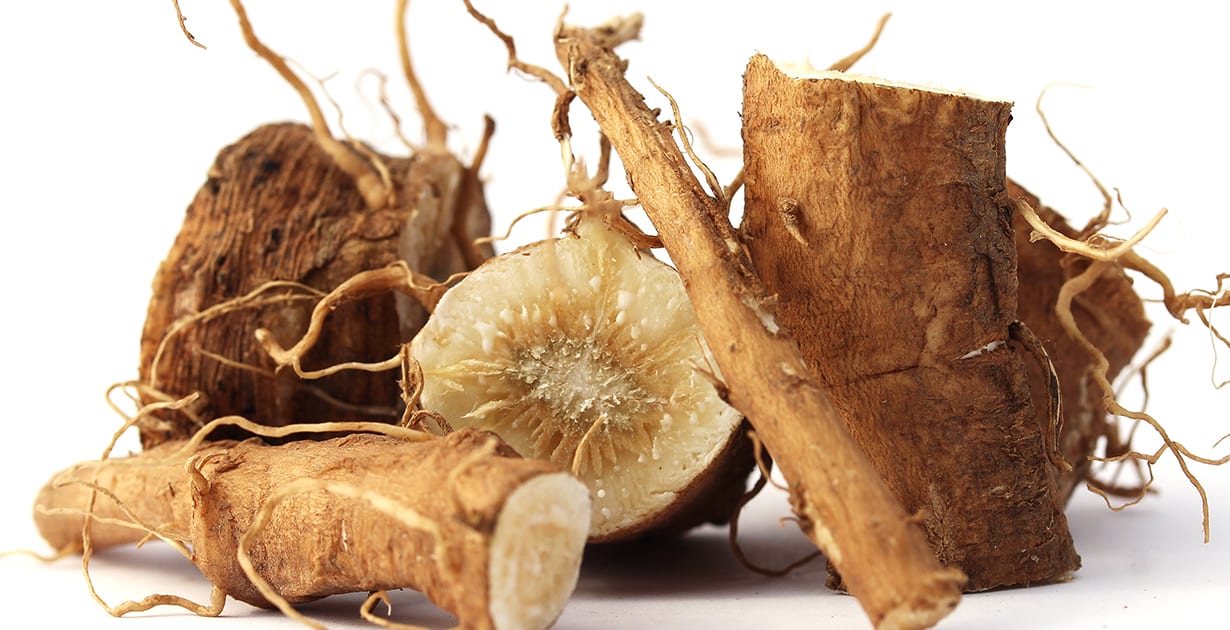
The gut microbiota has emerged as a critical regulator of human health, influencing digestion, immunity, metabolism, and overall physiological homeostasis. Alterations in gut microbial composition, commonly referred to as dysbiosis, are associated with obesity, insulin resistance, type 2 diabetes, metabolic dysfunction-associated steatotic liver disease (MASLD), and cardiovascular disorders. Consequently, dietary interventions that support a healthy gut microbiome have gained considerable scientific attention. Among these, chicory root (Cichorium intybus L.) is recognized as a functional food rich in bioactive compounds that positively influence gut microbial ecology and metabolic health.
Chicory root contains several biologically active constituents, including inulin-type fructans, chlorogenic acids, sesquiterpene lactones, and polyphenols, which collectively contribute to its prebiotic, antioxidant, and metabolic regulatory effects.1
Major bioactive components of chicory root
The health-promoting properties of chicory root are primarily attributed to:
- Inulin-type fructans (ITFs): Non-digestible carbohydrates with prebiotic activity
- Chlorogenic acids: Polyphenolic compounds with antioxidant properties
- Sesquiterpene lactones: Bioactive molecules involved in anti-inflammatory regulation
- Dietary fibers and oligosaccharides: Substrates that support beneficial microbial growth
These compounds interact with intestinal microorganisms and influence host metabolic pathways through multiple mechanisms.
Gut microbiota modulation
Prebiotic activity:
Inulin-type fructans are among the best-characterized prebiotics derived from chicory root. Since they escape digestion in the upper gastrointestinal tract, they reach the colon intact and serve as substrates for beneficial bacteria.
Chicory-derived prebiotics are associated with increased abundance of microbial groups such as Bifidobacterium and other short-chain fatty acid-producing bacteria, helping maintain microbial diversity and intestinal homeostasis.
Short-chain fatty acid production:
Fermentation of chicory fibers by gut microbes results in the production of short-chain fatty acids (SCFAs), including acetate, propionate, and butyrate. These metabolites contribute to intestinal barrier integrity, immune regulation, and metabolic signaling.
SCFAs are increasingly recognized as important mediators linking gut microbiota composition with systemic metabolic health.
Enhancement of gut barrier function:
A healthy intestinal barrier prevents the translocation of inflammatory molecules into systemic circulation. Chicory bioactives support mucosal integrity and microbial balance, helping maintain gut barrier function and reducing metabolic stress associated with dysbiosis.
Implications for metabolic health
Glucose homeostasis:
Gut microbiota-derived metabolites influence glucose metabolism and insulin sensitivity. Chicory root bioactives are associated with improved metabolic regulation through modulation of gut microbial activity and host metabolic signaling pathways.
Body weight regulation:
Alterations in gut microbiota affect appetite regulation, energy harvest, and adiposity. Chicory-derived inulin contribute to healthy weight management by influencing satiety-related pathways and microbial metabolism.2
Lipid metabolism:
Chicory bioactives are linked with favorable effects on lipid metabolism through interactions between microbial metabolites and host metabolic pathways. These effects may contribute to improved cardiometabolic health.
Inflammatory balance:
Metabolic disorders are often accompanied by chronic low-grade inflammation. Through modulation of gut microbiota and production of beneficial microbial metabolites, dried chicory help support a balanced inflammatory response.3
Conclusion
Chicory root is a rich source of bioactive compounds that exert significant effects on gut microbiota composition and metabolic health. Through its prebiotic activity, enhancement of short-chain fatty acid production, support of intestinal barrier function, and regulation of metabolic pathways, chicory represents a valuable nutritional strategy for promoting gut and metabolic well-being. As research advances, chicory root continues to gain recognition as an important functional food in the prevention and management of metabolic disorders.
Reference:
- Pouille CL, Ouaza S, Roels E, et al. Chicory: Understanding the Effects and Effectors of This Functional Food. Nutrients. 2022;14(5):957. Published 2022 Feb 23. doi:10.3390/nu14050957 https://pmc.ncbi.nlm.nih.gov/articles/PMC8912540/
- Reimer RA, Theis S, Zanzer YC. The effects of chicory inulin-type fructans supplementation on weight management outcomes: systematic review, meta-analysis, and meta-regression of randomized controlled trials. Am J Clin Nutr. 2024;120(5):1245-1258. doi:10.1016/j.ajcnut.2024.09.019 https://pmc.ncbi.nlm.nih.gov/articles/PMC11600113/
- Puhlmann ML, Jokela R, van Dongen KCW, et al. Dried chicory root improves bowel function, benefits intestinal microbial trophic chains and increases faecal and circulating short chain fatty acids in subjects at risk for type 2 diabetes. Gut Microbiome (Camb). 2022;3:e4. Published 2022 Apr 28. doi:10.1017/gmb.2022.4 https://pmc.ncbi.nlm.nih.gov/articles/PMC11407914/