
Introduction
Sleep (Nidra) is one of the three Trayopasthambhas (sub-pillars of life) described in Ayurveda, essential for maintaining physical health, mental balance, and longevity. Disturbances in sleep, known as Anidra or Nidranasha, are commonly associated with aggravated Vata Dosha, mental stress, anxiety, and lifestyle irregularities. Among the medicinal plants used in Ayurvedic therapeutics for sleep disorders, Jatamansi (Nardostachys jatamansi DC.) is highly valued for its calming, sedative, and neuroprotective properties.1 Classical Ayurvedic texts classify Jatamansi as a Medhya Rasayana and a Nidrajanana Dravya (sleep-inducing substance), making it an important herbal intervention in the management of insomnia and stress-related disorders.
Jatamansi in ayurvedic practice
Jatamansi is extensively described in Ayurvedic texts for its beneficial effects on the mind and nervous system. It possesses Tikta (bitter), Kashaya (astringent), and Madhura (sweet) properties, with a cooling (Sheeta Virya) effect. The herb is known to pacify Vata and Pitta Doshas, which are commonly involved in sleep disturbances.
Traditionally, Jatamansi has been prescribed for:
- Anidra (insomnia)2
- Chittodvega (anxiety)
- Unmada (psychiatric disorders)
- Apasmara (epilepsy)
- Mental fatigue and stress
Its ability to calm the mind and promote emotional stability forms the basis of its use as a Nidrajanana Dravya.
Pharmacological properties
Sedative and hypnotic activity:
Experimental studies have demonstrated significant sedative and sleep-promoting effects of Jatamansi extracts. The herb helps reduce sleep latency and enhances sleep duration, supporting its traditional use in insomnia management.
Anxiolytic effects:
Anxiety and psychological stress are major contributors to sleep disturbances. Jatamansi exhibits anxiolytic activity by modulating neurotransmitter systems and reducing central nervous system excitability, thereby facilitating restful sleep.
Neuroprotective action:
Jatamansi contains bioactive compounds such as jatamansone, nardostachone, and sesquiterpenes that possess antioxidant and neuroprotective properties. These compounds protect neuronal tissues from oxidative stress and support healthy brain function.
Neurotransmitter modulation:
Research suggests that Jatamansi influences gamma-aminobutyric acid (GABA), serotonin, and dopamine pathways involved in sleep regulation, mood stabilization, and cognitive function.
Clinical evidence
Contemporary scientific investigations have supported the traditional use of Jatamansi in sleep disorders and neuropsychiatric conditions. Preclinical studies have demonstrated sedative, tranquilizing, antidepressant, and anticonvulsant activities. Clinical observations suggest improvements in sleep quality, reduction in anxiety symptoms, and enhanced psychological well-being following Jatamansi administration.
Studies evaluating herbal formulations containing Jatamansi have reported benefits in individuals experiencing insomnia, stress, and anxiety-related sleep disturbances. Its therapeutic effects are often attributed to its combined anxiolytic and sedative properties, which address both the symptoms and underlying causes of disturbed sleep.
Therapeutic applications in ayurveda
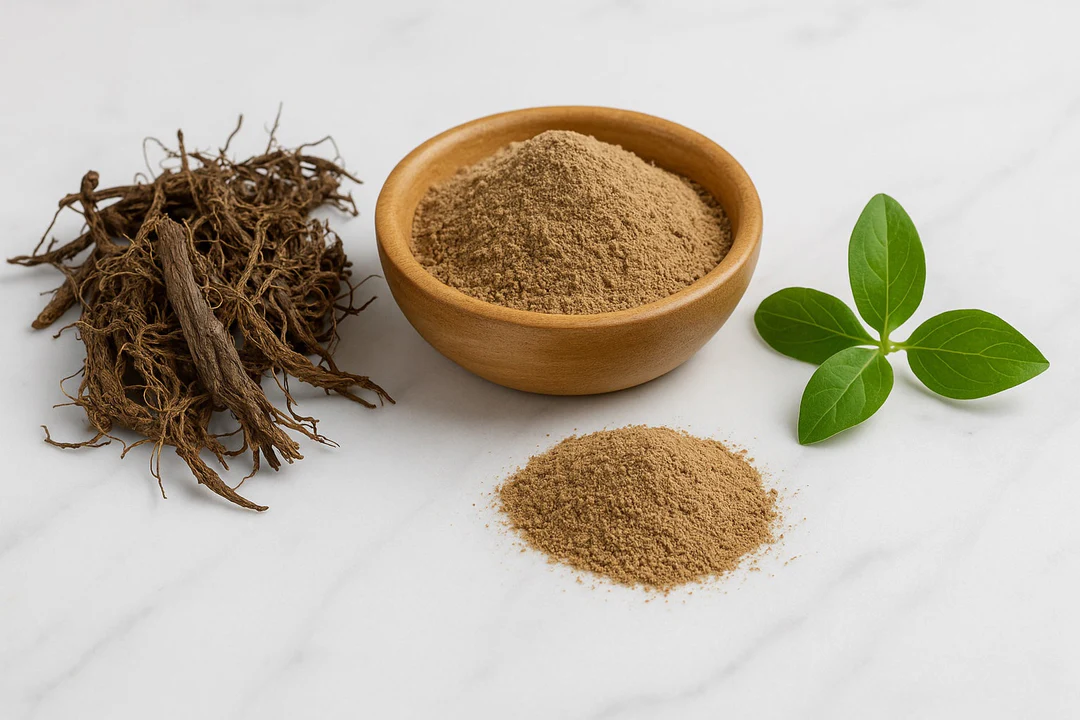
Jatamansi is commonly administered as:
- Churna (powder)
- Kwatha (decoction)
- Capsules and extracts
- Medicated oils
- Polyherbal formulations
It is frequently combined with Brahmi, Ashwagandha, Tagara, and Shankhapushpi to enhance its effects on sleep, cognition, and mental health.
Conclusion
Jatamansi (Nardostachys jatamansi) is a renowned Ayurvedic medicinal herb recognized as a Nidrajanana Dravya due to its ability to promote natural and restorative sleep.3 Classical Ayurvedic literature highlights its role in balancing Vata and Pitta, calming the mind, and improving mental well-being. Contemporary pharmacological studies validate its sedative, anxiolytic, neuroprotective, and neurotransmitter-modulating properties. The integration of Jatamansi into insomnia management offers a promising holistic approach that aligns traditional Ayurvedic wisdom with modern scientific understanding.
References:
- Pathak S, Godela R. Nardostachys jatamansi: Phytochemistry, ethnomedicinal uses, and pharmacological activities: A comprehensive review. Fitoterapia. 2024;172:105764. doi:10.1016/j.fitote.2023.105764 https://pubmed.ncbi.nlm.nih.gov/38042505/
- Liu L, Liu C, Wang Y, Wang P, Li Y, Li B. Herbal Medicine for Anxiety, Depression and Insomnia. Curr Neuropharmacol. 2015;13(4):481-493. doi:10.2174/1570159x1304150831122734 https://pmc.ncbi.nlm.nih.gov/articles/PMC4790408/
- Panara K, Nariya M, Karra N. Central nervous system depressant activity of Jatamansi (Nardostachys jatamansi DC.) rhizome. Ayu. 2020;41(4):250-254. doi:10.4103/ayu.AYU_251_20 https://pmc.ncbi.nlm.nih.gov/articles/PMC9261992/