
Introduction
The global rise in obesity represents a major public health challenge, strongly associated with increasing incidence of diabetes mellitus, coronary artery disease, cerebrovascular disorders, and significant socioeconomic burden. Obesity acts as a central driver of multiple metabolic abnormalities, including insulin resistance, dyslipidemia, systemic inflammation, thrombosis, hypertension, metabolic syndrome, and obstructive sleep apnea. Increased body mass index (BMI) is typically associated with an atherogenic lipid profile characterized by elevated triglycerides, reduced high-density lipoprotein (HDL), and predominance of small dense low-density lipoprotein (LDL) particles, all of which are independent risk factors for atherosclerotic cardiovascular disease. Atherosclerosis, defined by lipid deposition within the vascular endothelium, further amplifies cardiovascular morbidity in obese individuals.
In Ayurveda, obesity is described as Atisthaulya, one of the eight despicable conditions (Ashta Nindita Purusha) outlined by Acharya Charaka. It is characterized by excessive accumulation of Meda (adipose tissue) and Mamsa (muscle tissue), resulting in disproportionate enlargement of the abdomen, hips, and breasts with reduced physical vitality. Meda Dhatu is predominantly composed of Prithvi and Ap Mahabhutas and shares functional similarity with Kapha Dosha, exhibiting qualities such as Snigdha (unctuous), Guru (heavy), Sthula (bulk-promoting), Picchila (slimy), Mridu (soft), and Sandra (dense). Physiologically, it contributes to Sneha (lubrication), Sweda (sweating), Drudhatva (structural stability), and Asthi Pushti (bone nourishment).
Dietary patterns dominated by Guru (heavy), Sheeta (cold), Snigdha (unctuous), and Madhura (sweet) foods, combined with sedentary lifestyle and lack of physical activity, lead to pathological accumulation of Meda Dhatu, resulting in impaired nourishment of other tissues (Dhatus). Excessive Meda accumulation is associated with systemic complications described in classical texts, including reduced lifespan (Ayuhrasa), decreased physical activity (Javoparodha), sexual dysfunction (Krichravyavayata), weakness (Daurbalya), foul body odor (Dourgandhya), excessive sweating (Swedabadha), and polyphagia and polydipsia (Kshudha-Pipasa Adhikya). Furthermore, sedentary behavior, excessive intake of fatty foods, overeating, and heavy diet patterns (Mandotsaha, Atisnigdha, Atisthaulya, Mahashana) are recognized etiological factors contributing to Prameha (metabolic disorders including diabetes mellitus) and are closely linked with the development of dyslipidemia.
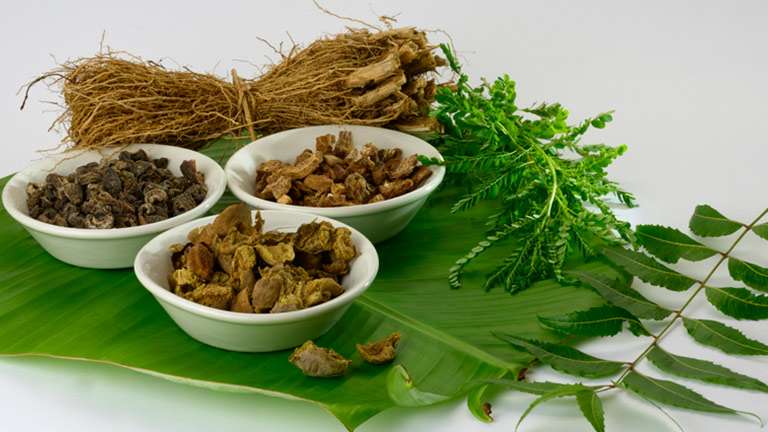
Given the increasing burden of obesity and hyperlipidemia across all age groups, there is a growing need for safe and effective therapeutic interventions. Ayurvedic classics describe several Medohara (anti-obesity) and Lekhaniya (lipid-reducing) drugs that may offer potential in the prevention and management of Medodushti (disordered lipid metabolism).1
Classification of medohara and lekhaniya dravyas
Medohara dravyas (anti-obesity herbs):
Commonly described Medohara herbs include2:
- Guggulu (Commiphora mukul)
- Musta (Cyperus rotundus)
- Triphala (Amalaki, Haritaki, Bibhitaki)
- Shilajatu (mineral resin exudate)
- Madanaphala (Randia dumetorum)
- Haridra (Curcuma longa)
- Daruharidra (Berberis aristata)
Lekhaniya dravyas (lipid-scraping herbs):
Classical Lekhaniya Mahakashaya includes:
- Musta (Cyperus rotundus)
- Kushta (Saussurea lappa)
- Haridra (Curcuma longa)
- Daruharidra (Berberis aristata)
- Chitraka (Plumbago zeylanica)
- Vidanga (Embelia ribes)
- Ativisha (Aconitum heterophyllum)
- Vacha (Acorus calamus)
- Shunthi (Zingiber officinale)
- Maricha (Piper nigrum)
Pharmacodynamic principles in obesity management
The therapeutic action of Medohara and Lekhaniya dravyas is based on the following mechanisms:
- Enhancement of Jatharagni and Dhatvagni (metabolic fire regulation)
- Reduction of Ama (metabolic toxins) accumulation
- Mobilization and catabolism of excess Meda Dhatu
- Cleansing of obstructed Srotas (microchannels)
- Balancing of Kapha Dosha, the primary pathological factor in obesity
- Promotion of lipid utilization and energy expenditure
Modern pharmacological correlation
From a biomedical perspective, Medohara and Lekhaniya dravyas demonstrate:
- Hypolipidemic activity through reduction of LDL, triglycerides, and total cholesterol
- Improvement in HDL levels
- Anti-inflammatory effects via cytokine modulation
- Antioxidant activity reducing lipid peroxidation
- Regulation of adipogenesis and lipid metabolism genes
- Modulation of gut microbiota influencing energy homeostasis
Key pharmacological actions of representative medohara drugs
Guggulu (Commiphora mukul):
- FXR receptor modulation
- Increased LDL receptor expression
- Reduction in serum cholesterol and triglycerides
Triphala:
- Lipase and amylase inhibition
- Antioxidant-mediated lipid regulation
- Gut microbiota modulation
Haridra (Curcuma longa):
- Anti-inflammatory via NF-κB inhibition
- Suppression of adipocyte differentiation
- Improvement in insulin sensitivity
Shilajatu:
- Mitochondrial energy enhancement
- Improved lipid and glucose metabolism
- Adaptogenic metabolic regulation
Clinical relevance in obesity and dyslipidemia
Evidence from experimental and clinical studies suggests that Medohara and Lekhaniya dravyas:
- Reduce body weight and BMI in obese individuals
- Improve dyslipidemia profiles
- Support glycemic control in metabolic syndrome
- Reduce cardiovascular risk factors associated with obesity
- Enhance metabolic efficiency without significant adverse effects
Therapeutic implications
The integration of Medohara and Lekhaniya dravyas into modern clinical practice offers:
- Natural lipid-lowering alternatives to synthetic drugs
- Multi-target metabolic regulation rather than single-pathway inhibition
- Reduced risk of drug-induced side effects
- Synergistic action with diet and lifestyle modifications (Pathya-Apathya)
- Potential role in preventive cardiometabolic healthcare
Conclusion
Medohara and Lekhaniya dravyas described in Ayurvedic classics represent a scientifically relevant group of metabolic regulators with significant anti-obesity and hypolipidemic potential. Their actions are mediated through the combined effects of digestive enhancement, lipid catabolism, antioxidant defense, anti-inflammatory activity, and modulation of metabolic pathways. Contemporary evidence supports their role as promising adjuncts in the management of obesity and dyslipidemia within integrative healthcare systems.
References:
- Kumari H, Pushpan R, Nishteswar K. Medohara and Lekhaniya dravyas (anti-obesity and hypolipidemic drugs) in Ayurvedic classics: A critical review. Ayu. 2013;34(1):11-16. doi:10.4103/0974-8520.115437. https://pmc.ncbi.nlm.nih.gov/articles/PMC3764867/
- Shirbhate M, Deshpande M, Nangare N. Review of Ayurvedic Classical Formulations for Medoroga (Sthaulya) from Bharat Bhaishajya Ratnakar. Journal of Ayurveda and Holistic Medicine (JAHM). 2025 Nov 17;13(10):65-78. https://www.jahm.co.in/index.php/jahm/article/view/2362