
Introduction
Diabetes mellitus requires structured management to prevent disease progression and associated complications. In type 1 diabetes mellitus, insulin replacement therapy remains central, while type 2 diabetes mellitus management includes dietary regulation, lifestyle modification, increased physical activity, weight reduction, and oral pharmacological agents. The disease is strongly influenced by multiple risk factors such as age, genetic predisposition, family history, sedentary lifestyle, smoking, obesity, and overweight status. Chronic progression is associated with serious complications including hypertension, coronary heart disease, stroke, neuropathy, renal failure, retinopathy, proteinuria, hypertriglyceridemia, obesity-related disorders, amputations, and diabetic foot ulcers.
Disease burden and metabolic complexity
Diabetes mellitus is a multifactorial metabolic disorder in which long-term dysregulation contributes to systemic complications affecting vascular, neurological, renal, and metabolic systems. Persistent metabolic imbalance increases oxidative stress and insulin resistance, which further accelerates disease progression and complication risk.
Shilajit: origin and composition
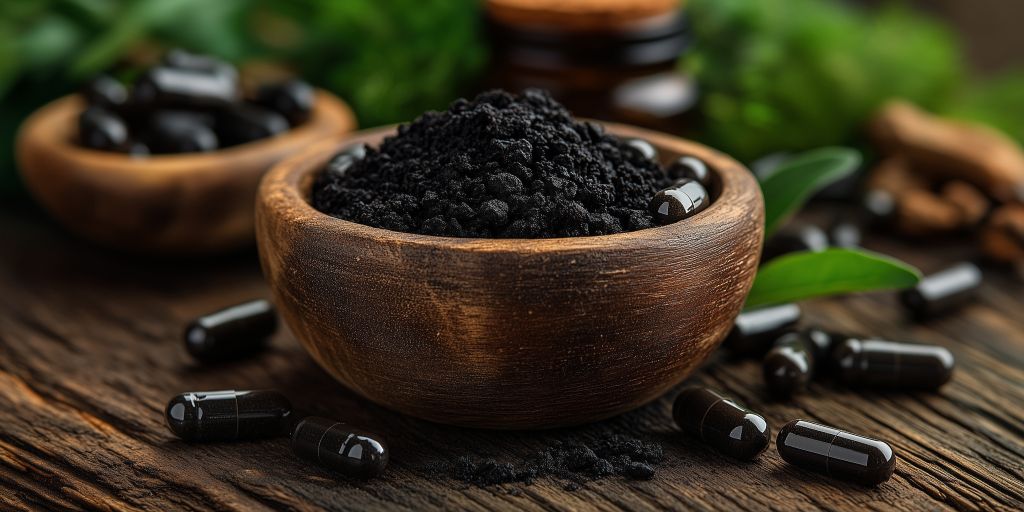
Shilajit is a black-brown herbo-mineral substance exuded from rocks in the Himalayan region. The term originates from Sanskrit, meaning “destroyer of weakness,” reflecting its traditional use in strengthening and rejuvenation. It is formed through the decomposition of plant material by microbial activity and is rich in fulvic acid.
Its major bioactive constituents include:
- Fulvic acid
- Humic acid
- Dibenzo-alpha-pyrones
- Fat-soluble components such as taxol, verbenol, and α-pinene
- Essential minerals including iron, zinc, chromium, manganese, cobalt, and lead (within permitted limits)
These components contribute to its broad pharmacological profile.
Pharmacological and metabolic actions
Shilajit demonstrates multiple biological activities relevant to metabolic disorders, particularly diabetes mellitus. Its effects are primarily attributed to antioxidant and anti-inflammatory properties mediated through humic acid, fulvic acid, and associated phytochemical constituents.
Key functional actions include:
- Reduction of oxidative stress
- Modulation of inflammatory responses
- Improvement in insulin resistance mechanisms
- Support in glucose metabolism through trace mineral content
- Metabolic enhancement through adaptogenic effects
Minerals such as chromium, potassium, magnesium, and zinc play a significant role in glucose metabolism and metabolic regulation, supporting its relevance in diabetes management.
Therapeutic relevance and safety considerations
Shilajit is considered a natural therapeutic agent with potential anti-hyperglycemic and anti-obesity effects. It is also associated with improvements in oxidative stress and inflammatory imbalance, which are key contributors to diabetes-related complications. These properties support its role in addressing both metabolic dysfunction and systemic complications associated with diabetes mellitus.
However, use requires proper purification and adherence to recommended dosage to avoid toxicity risks related to contaminants such as mycotoxins, heavy metals, polymeric quinones, and free radicals. Reported heavy metal content remains within acceptable limits as per established safety standards.
Shilajit is also associated with broader therapeutic applications beyond diabetes mellitus, including support in obesity, insulin resistance, inflammation, bone health, allergy modulation, mental health, immune regulation, energy enhancement, anti-aging, adaptogenic action, rejuvenation, and sexual health support.
Conclusion
Shilajit represents a complex herbo-mineral agent with significant metabolic and systemic relevance in diabetes mellitus. Its antioxidant, anti-inflammatory, and trace mineral–rich composition supports glucose regulation, insulin sensitivity, and metabolic balance. Combined with its adaptogenic and broad therapeutic profile, Shilajit holds relevance as a supportive agent in chronic metabolic disorders, provided it is used in appropriate purified form and regulated dosage.1
Reference:
1. Al‑Shudiefat ARS, Alyzoud JAA. Review: Shilajit (Mumie) a natural product with antihyperglycemic, anti‑obesity, antioxidant, and anti‑inflammatory properties for a potential treatment of diabetes mellitus. Jordan J Biol Sci. 2024;17(1):109‑122. doi:10.54319/jjbs/170110. https://jjbs.hu.edu.jo/files/vol17/n1/Paper%20Number%2010.pdf