
Introduction
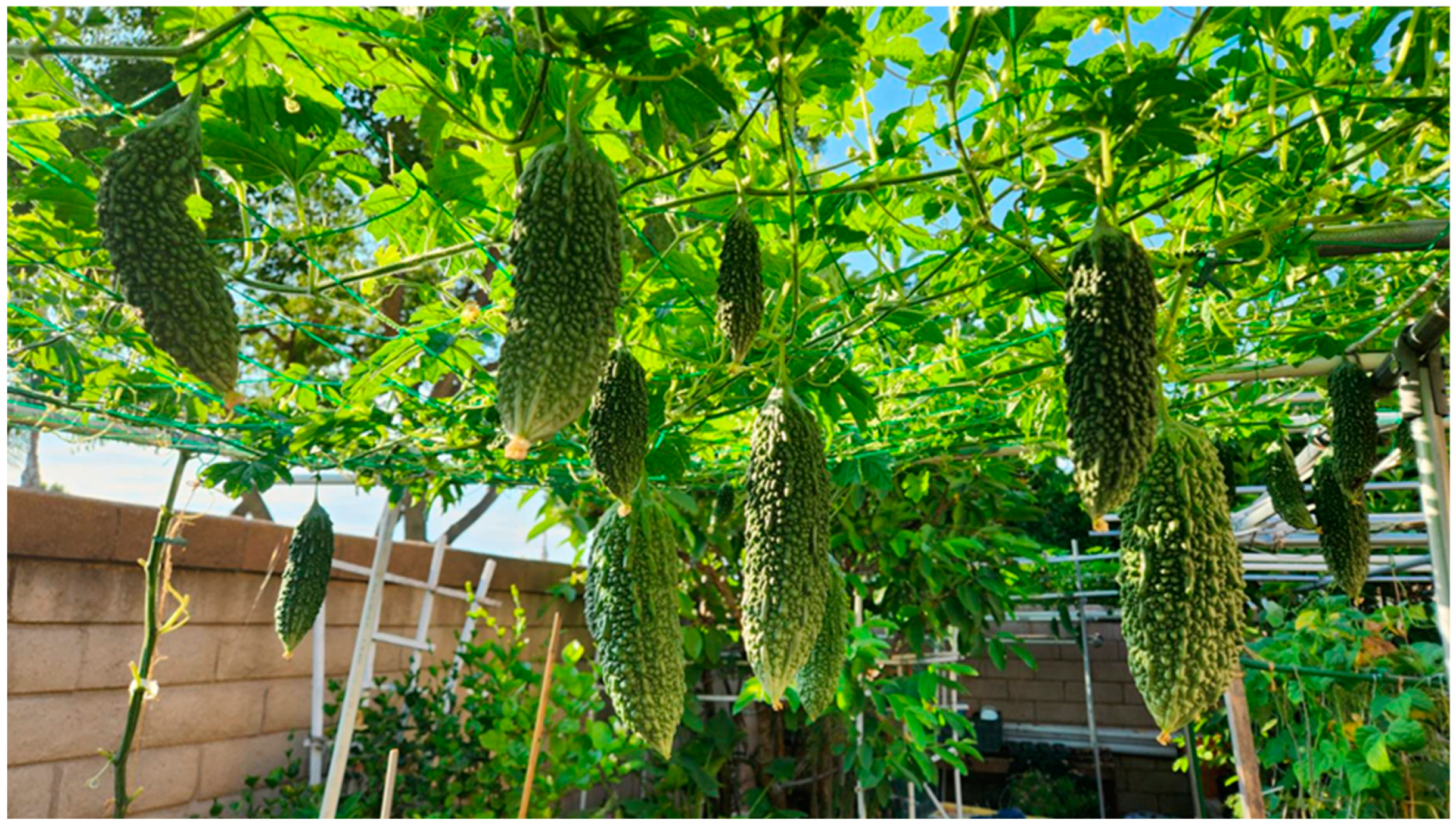
Momordica charantia, commonly known as bitter melon or bitter gourd, is a climbing plant belonging to the Cucurbitaceae family. The fruit is widely recognized for its distinctly bitter taste and has been traditionally used for its medicinal properties over several centuries. Diabetes mellitus is a metabolic disorder characterized by hyperglycemia along with disturbances in carbohydrate, fat, and protein metabolism. It may progress to chronic microvascular, macrovascular, and neuropathic complications, significantly impacting long-term health outcomes.1
Pharmacological profile of Momordica charantia
Momordica charantia demonstrates a broad spectrum of pharmacological activities, contributing to its relevance in metabolic and systemic disorders. Reported actions include:
- Hypoglycemic and anti-hyperlipidemic effects
- Anti-inflammatory and antioxidant activity
- Antimicrobial and anti-helminthic properties
- Antimutagenic and anti-cancer potential
- Anti-obesity and immunomodulatory effects 2
These diverse activities highlight its multifaceted therapeutic profile beyond glycemic regulation.
Phytochemical composition and antidiabetic relevance
The antidiabetic potential of Momordica charantia is attributed to its complex phytochemical composition. Key constituents include steroidal saponins, insulin-like peptides, triterpenoids, flavonoids, and alkaloids. Additional bioactive compounds identified within the plant include cucurbitanes, charantins, momoridins, karaviloside XI, momordicoside S, polypeptide-p, and vicine.
Important pharmacological observations include:
- The fruit and seeds contain the highest concentration of bioactive phytochemicals
- The fruit exhibits the most pronounced anti-diabetic activity
- Phytoconstituents collectively contribute to glucose-lowering and metabolic regulatory effects
These components are considered central to its therapeutic role in glycemic control and metabolic modulation.
Clinical relevance in diabetes management
Management of type 2 diabetes mellitus varies based on disease progression and patient profile. Metformin is generally considered the first-line therapeutic agent, particularly in obese patients, as it improves insulin sensitivity by:
- Reducing hepatic glucose production
- Decreasing intestinal glucose absorption
Despite its effectiveness, there remains a significant need for additional therapeutic options. Alongside pharmacological agents, several vitamins, minerals, and botanicals have been reported to assist in lowering blood glucose levels and improving quality of life in diabetic individuals.
Within this context, Momordica charantia has gained attention due to its traditional use and bioactive potential. Observations indicate beneficial effects on metabolic parameters, including reductions in body weight, body mass index, fat percentage, and fructosamine levels, suggesting improvement in both glycemic control and metabolic health.3
Safety profile
Momordica charantia has been reported to be generally safe for human use and may present fewer adverse effects compared to conventional antidiabetic medications. This safety profile further supports its consideration as a complementary botanical option in diabetes management strategies.
Conclusion
Momordica charantia (bitter melon) represents a botanically rich and pharmacologically diverse medicinal plant with significant relevance in diabetes mellitus. Its wide range of bioactive compounds contributes to hypoglycemic and metabolic regulatory effects, while clinical observations suggest improvements in glycemic markers and body composition. Combined with a favorable safety profile, it holds potential as a supportive therapeutic agent in integrative diabetes management approaches.4,5
References:
1. Ota A, Ulrih NP. An Overview of Herbal Products and Secondary Metabolites Used for Management of Type Two Diabetes. Front Pharmacol. 2017;8:436. Published 2017 Jul 6. doi:10.3389/fphar.2017.00436. https://pmc.ncbi.nlm.nih.gov/articles/PMC5499308/
2. Dandawate PR, Subramaniam D, Padhye SB, Anant S. Bitter melon: a panacea for inflammation and cancer. Chin J Nat Med. 2016;14(2):81-100. doi:10.1016/S1875-5364(16)60002-X. https://pmc.ncbi.nlm.nih.gov/articles/PMC5276711/
3. American Diabetes Association. Diagnosis and classification of diabetes mellitus. Diabetes Care. 2013;36 Suppl 1(Suppl 1):S67-S74. doi:10.2337/dc13-S067. https://pmc.ncbi.nlm.nih.gov/articles/PMC3537273/
4. Maruthur NM, Tseng E, Hutfless S, et al. Diabetes Medications as Monotherapy or Metformin-Based Combination Therapy for Type 2 Diabetes: A Systematic Review and Meta-analysis. Ann Intern Med. 2016;164(11):740-751. doi:10.7326/M15-2650. https://www.acpjournals.org/doi/10.7326/M15-2650?url_ver=Z39.88-2003&rfr_id=ori:rid:crossref.org&rfr_dat=cr_pub%20%200pubmed
5. Dahlquist A, Jandali D, Nauman MC, Johnson JJ. Clinical application of Momordica charantia (Bitter Melon) for reducing blood sugar in type 2 diabetes mellitus. Int J Nutr. 2023;7(4):8-26. doi:10.14302/issn.2379-7835.ijn-23-4737. https://pmc.ncbi.nlm.nih.gov/articles/PMC12462839/#S20