
Introduction
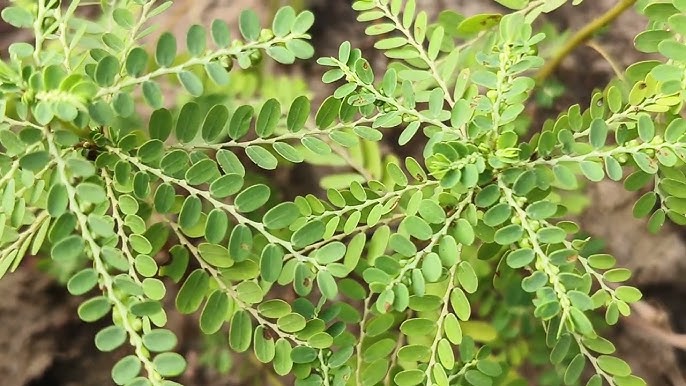
Phyllanthus amarus Schum. & Thonn. is a widely distributed medicinal herb belonging to the family Phyllanthaceae. It has been used in traditional medical systems such as Ayurveda for over 2000 years. The genus Phyllanthus comprises several hundred species distributed mainly in tropical and subtropical regions.
P. amarus is traditionally used for the management of hepatic disorders, infections, inflammation, urinary diseases, and metabolic conditions. Despite its long ethnomedicinal history, taxonomic confusion persists due to overlapping nomenclature with related species such as P. niruri and P. urinaria.
A systematic literature survey (1985–2022) highlights extensive pharmacological investigations focusing on its phytochemistry, bioactivity, and therapeutic potential.
Phytochemistry and bioactive constituents
P. amarus contains a diverse range of secondary metabolites responsible for its medicinal activity. Key phytochemical classes include:
- Lignans (phyllanthin, hypophyllanthin, niranthin)
- Flavonoids (quercetin derivatives, rutin)
- Tannins (geraniin, corilagin, ellagitannins)
- Alkaloids, terpenoids, sterols, and polyphenols
These compounds collectively contribute to its antioxidant, antiviral, hepatoprotective, and anti-inflammatory properties.
Pharmacological activities
Hepatoprotective and anti-viral activity:
P. amarus is extensively studied for liver protection against toxins such as carbon tetrachloride, alcohol, aflatoxins, and drugs. Its hepatoprotective effect is mainly attributed to antioxidant action, glutathione restoration, and inhibition of lipid peroxidation.1
It also exhibits significant antiviral activity against hepatitis B virus (HBV) by inhibiting viral DNA polymerase, surface antigen expression, and viral replication. Clinical and experimental studies support its potential role in chronic hepatitis management.
Antioxidant activity:
The plant demonstrates strong free radical scavenging activity through inhibition of ROS, DPPH radicals, and lipid peroxidation. It enhances endogenous antioxidant enzymes including superoxide dismutase, catalase, and glutathione peroxidase. Polyphenols and ellagitannins are primarily responsible for these effects.
Antidiabetic and hypoglycemic effects:
P. amarus shows antidiabetic potential by improving insulin sensitivity, reducing blood glucose levels, and modulating carbohydrate-metabolizing enzymes such as α-amylase and α-glucosidase. It also helps in regulating lipid profiles and reducing oxidative stress in diabetic models.
Anti-HIV activity:
Extracts of P. amarus inhibit HIV-1 reverse transcriptase, integrase, and protease enzymes. Ellagitannins such as geraniin and corilagin play a key role in blocking viral replication and attachment, indicating its potential as an anti-retroviral agent.
Anticancer, antigenotoxic, and chemopreventive effects:
The plant exhibits anticancer activity against multiple cancer cell lines including liver, breast, colon, and leukemia. Mechanisms include:
- Induction of apoptosis via caspase activation
- Cell cycle arrest
- Inhibition of angiogenesis and metastasis
- Modulation of oxidative stress and DNA damage
It also shows antigenotoxic and antimutagenic effects, protecting against radiation- and chemically induced DNA damage.
Anti-inflammatory and analgesic activity:
P. amarus suppresses inflammatory mediators such as COX-2, iNOS, TNF-α, and interleukins via NF-κB and MAPK signaling pathways.2 It also exhibits antinociceptive effects in pain models, supporting its use in inflammatory and neuropathic conditions.
Anti-microbial and related properties:
- Antimalarial and antiplasmodial activity:
Phyllanthus amarus shows strong antiplasmodial effects against Plasmodium falciparum and Plasmodium berghei. Both aqueous and ethanolic extracts reduce parasitemia in infected mice, with some studies indicating higher efficacy of aqueous extracts. Callus cultures and stem extracts also demonstrate in vitro antiplasmodial activity. The plant has been evaluated as an adjunct or alternative antimalarial agent in experimental models.
- Antibacterial activity:
The plant exhibits broad-spectrum antibacterial effects, including activity against drug-resistant pathogens. Extracts inhibit urinary tract infection–causing bacteria, Shigella dysenteriae, Salmonella spp., and Pseudomonas aeruginosa, including multidrug-resistant strains. Activity against oral pathogens and biofilm-forming Enterococcus faecalis has also been reported.
- Antifungal activity:
P. amarus demonstrates antifungal effects against dermatophytes such as Microsporum gypseum and opportunistic fungi including Candida albicans. Its extracts have also been tested in formulations (creams and ointments) showing maintained antifungal efficacy.
- Antiviral and anti-infective potential:
The plant shows antiviral activity against pathogens such as white spot syndrome virus and nuclear polyhedrosis virus. In silico studies also suggest inhibitory effects against viral targets including SARS-CoV-2 proteins. These findings support its broader anti-infective potential.
- Antiprotozoal and vector control activity:
Extracts demonstrate larvicidal activity against Aedes aegypti and Culex quinquefasciatus, indicating potential in vector control. Antileishmanial and antitrypanosomal activities have also been reported from lignan-rich fractions.
- Anti-biofilm and quorum sensing inhibition:
Methanolic extracts inhibit quorum sensing in Pseudomonas aeruginosa, reducing virulence factors such as motility and pyocyanin production. This indicates an anti-pathogenic rather than purely bactericidal mechanism.
- Nanoparticle-mediated antimicrobial enhancement:
Green synthesis of silver and copper oxide nanoparticles using P. amarus extracts enhances antimicrobial efficacy against multidrug-resistant bacteria and fungi, suggesting a role in nanomedicine development.
- Mechanistic bioactive compounds:
Lignans such as phyllanthin and hypophyllanthin contribute to antimicrobial activity, including inhibition of bacterial efflux pumps (e.g., NorA in Staphylococcus aureus), enhancing drug susceptibility.
- Environmental and applied antimicrobial uses:
The plant has been evaluated for eco-friendly antimicrobial applications, including use in aquaculture to control bacterial infections and improve disease resistance in aquatic organisms.
Other pharmacological properties of Phyllanthus amarus:
- Gastroprotective and antidiarrhoeal effects:
Aqueous extracts exhibit antidiarrhoeal and gastroprotective activities in experimental models, supporting traditional gastrointestinal use.
- Renal and hepatoprotective effects:
The plant shows protective effects against drug-induced nephrotoxicity and metabolic injury. It reduces oxidative stress and improves renal biochemical markers in toxic models.
- Cardiovascular and metabolic effects:
Extracts and isolated lignans improve cardiac function, reduce hypertension-related damage, and mitigate high-fat and high-fructose diet–induced metabolic disorders.
- Immunomodulatory activity:
P. amarus modulates both innate and adaptive immune responses. It enhances immune resistance in experimental animals and aquaculture species while also showing immunosuppressive effects in specific models, indicating dose-dependent immunomodulation.
- Neuroprotective and anticonvulsant effects:
The plant exhibits anticonvulsant activity in seizure models and shows potential neuroprotective effects relevant to neurodegenerative disorders.
- Reproductive and endocrine effects:
Studies report effects on male and female reproductive systems, including modulation of sperm parameters, hormonal balance, and fertility indices in experimental animals.
- Anti-inflammatory and antioxidant effects:
Polyphenols and lignans reduce oxidative stress and inflammatory damage, contributing to anti-aging and cytoprotective actions.
- Anticancer and anti-parasitic potential:
Preclinical evidence suggests activity against parasites such as Schistosoma mansoni, Leishmania spp., and Trypanosoma cruzi, indicating broad antiparasitic potential.
Conclusion
Phyllanthus amarus demonstrates broad antimicrobial, antiparasitic, antiviral, and systemic pharmacological activities supported by preclinical and computational evidence. Its bioactive lignans and polyphenols contribute to diverse therapeutic effects, though further clinical validation and safety profiling remain essential for translational application.3
References:
- Faremi TY, Suru SM, Fafunso MA, Obioha UE. Hepatoprotective potentials of Phyllanthusamarus against ethanol-induced oxidative stress in rats. Food Chem Toxicol. 2008;46(8):2658-2664. doi:10.1016/j.fct.2008.04.022. https://pubmed.ncbi.nlm.nih.gov/18524448/
- Harikrishnan H, Jantan I, Haque MA, Kumolosasi E. Anti-inflammatory effects of Phyllanthus amarus Schum. & Thonn. through inhibition of NF-κB, MAPK, and PI3K-Akt signaling pathways in LPS-induced human macrophages. BMC Complement Altern Med. 2018;18(1):224. Published 2018 Jul 25. doi:10.1186/s12906-018-2289-3. https://pmc.ncbi.nlm.nih.gov/articles/PMC6060475/
- Bose Mazumdar Ghosh A, Banerjee A, Chattopadhyay S. An insight into the potent medicinal plant Phyllanthus amarus Schum. and Thonn. Nucleus (Calcutta). 2022;65(3):437-472. doi:10.1007/s13237-022-00409-z. https://pmc.ncbi.nlm.nih.gov/articles/PMC9660160/