
Introduction
Infective hepatitis, most commonly caused by hepatotropic viruses such as hepatitis A, B, C, D, and E, represents a significant global health burden with varying clinical outcomes ranging from self-limiting illness to chronic liver disease and cirrhosis.1 Conventional biomedical management primarily focuses on antiviral therapy, supportive care, and prevention through vaccination. However, therapeutic gaps persist in terms of symptom control, hepatic regeneration, immune modulation, and long-term liver resilience in certain cases. Ayurveda offers a complementary, system-based perspective on hepatic disorders, emphasizing restoration of digestive-metabolic balance, detoxification, and tissue rejuvenation through individualized interventions.
Ayurvedic conceptualization of infective hepatitis
In Ayurvedic literature, infective hepatitis does not correspond to a single disease entity but is understood under broader hepatic disorders such as Yakrit Roga, Kamala (jaundice), and Pandu. The pathogenesis is primarily attributed to vitiation of Pitta Dosha, along with involvement of Rakta Dhatu and Yakrit (liver). Viral infection and associated inflammatory injury are interpreted as external Agantuja Hetu, which aggravate internal metabolic disturbances (Agni Mandya) leading to formation of Ama (toxic metabolites).
When Pachaka Pitta becomes deranged, hepatic transformation and detoxification functions are impaired, resulting in symptoms such as jaundice, anorexia, nausea, fatigue, dark urine, and abdominal discomfort. Persistent metabolic dysfunction may further progress to chronic liver pathology if not corrected through appropriate interventions.
Therapeutic principles in Ayurveda
- Management is centered on Pitta Shamana (pacification of Pitta), Ama Pachana (digestion of toxins), and Yakrit Uttejaka Chikitsa (liver stimulation). The therapeutic strategy is typically multimodal, incorporating herbal formulations, detoxification procedures, dietary regulation, and lifestyle modification.
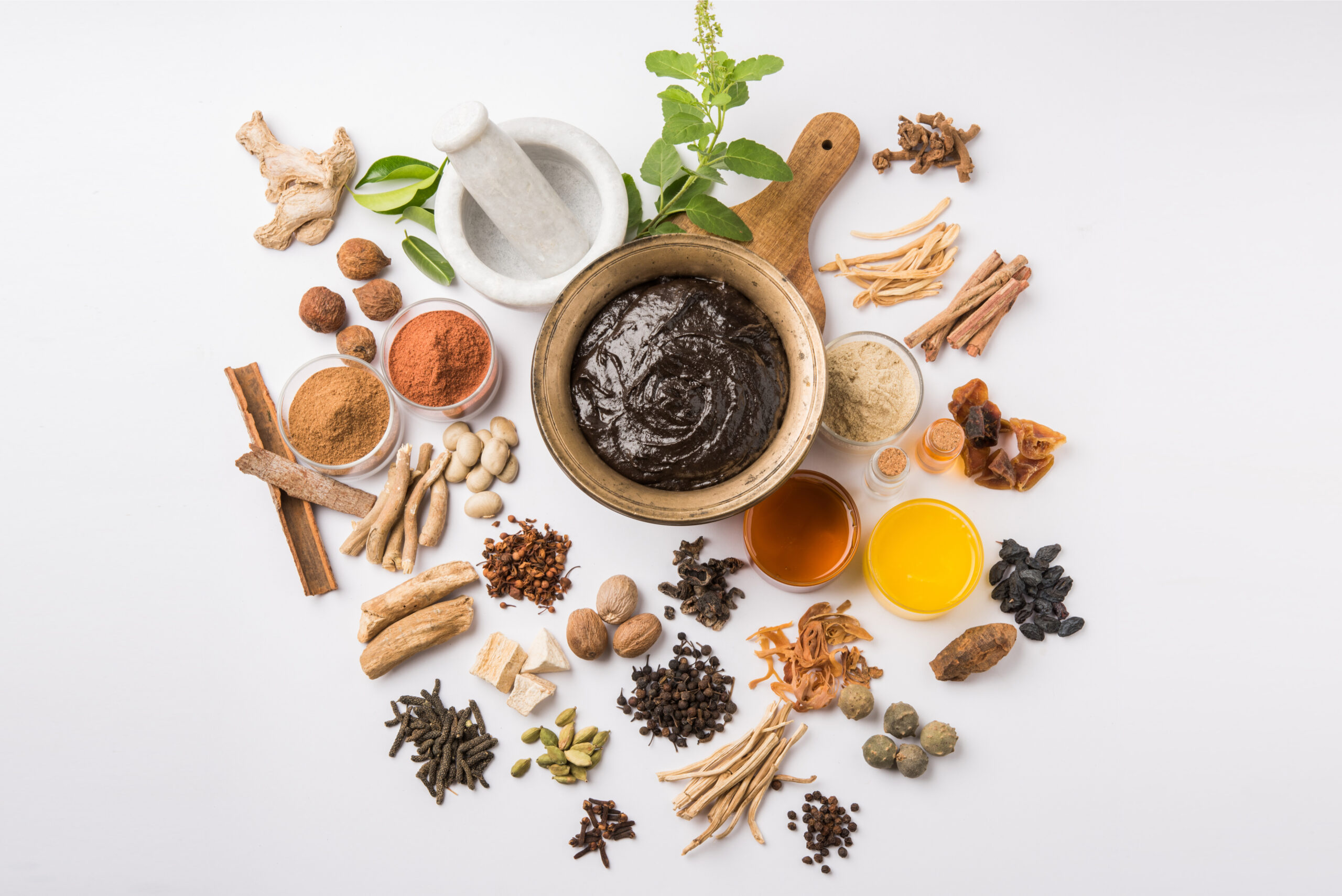
- Key classical formulations include Bhumyamalaki (Phyllanthus niruri) preparations, Guduchi (Tinospora cordifolia) decoctions, and Katuki (Picrorhiza kurroa), all of which exhibit hepatoprotective, immunomodulatory, and anti-inflammatory properties. These agents are believed to enhance bile secretion, support hepatocellular regeneration, and correct metabolic imbalance.
- Polyherbal formulations such as Arogyavardhini Vati, Phalatrikadi Kashaya, and Triphala-based preparations are widely used in clinical practice for improving hepatic enzyme profiles and reducing jaundice-related symptoms. These formulations are traditionally described as Deepana (digestive stimulants), Pachana (digestive regulators), and Rasayana (rejuvenators), thereby addressing both acute symptoms and long-term hepatic health.
Detoxification and supportive therapies
- Panchakarma procedures, particularly Virechana (therapeutic purgation), are considered effective in eliminating excess Pitta and systemic toxins. This is especially relevant in hepatitis-like presentations where bile metabolism is impaired. Supportive therapies such as Snehana (oleation) and Swedana (sudation) may be used judiciously to prepare the body for detoxification.
- Dietary regulation (Pathya-Apathya) plays a crucial role in recovery. Easily digestible foods, such as rice gruel (yavagu), green gram soup, and bitter vegetables, are recommended. Heavy, oily, spicy, and fermented foods are generally avoided to prevent further aggravation of Pitta and Agni dysfunction.
Integrative perspective and clinical relevance
Emerging pharmacological evidence supports the hepatoprotective and antioxidant effects of several Ayurvedic herbs, including Tinospora cordifolia, Phyllanthus niruri, and Andrographis paniculata. These agents have demonstrated potential in reducing liver enzyme elevation, oxidative stress, and inflammatory cytokine activity in experimental models.
From an integrative standpoint, Ayurveda may serve as an adjunct to conventional antiviral therapy by enhancing hepatic recovery, improving symptom burden, and supporting immune balance. However, it is essential that such approaches are applied under proper clinical supervision to ensure safety and avoid herb–drug interactions.
Conclusion
Ayurvedic management of infective hepatitis offers a holistic framework that extends beyond symptomatic relief to address underlying metabolic, immunological, and hepatic dysfunctions. Through the combined application of herbal formulations, detoxification therapies, dietary regulation, and lifestyle interventions, Ayurveda provides complementary strategies that may enhance recovery and long-term liver health when integrated judiciously with modern medical care.2
References:
- Odenwald MA, Paul S. Viral hepatitis: Past, present, and future. World J Gastroenterol. 2022;28(14):1405-1429. doi:10.3748/wjg.v28.i14.1405 https://pmc.ncbi.nlm.nih.gov/articles/PMC9048475/
- Raval PR, Raval RM. Treatment of infective hepatitis: Where biomedicine has no answers, Ayurveda has!!. Anc Sci Life. 2016;35(3):176-179. doi:10.4103/0257-7941.179861 https://pmc.ncbi.nlm.nih.gov/articles/PMC4850779/#sec1-2