
Introduction
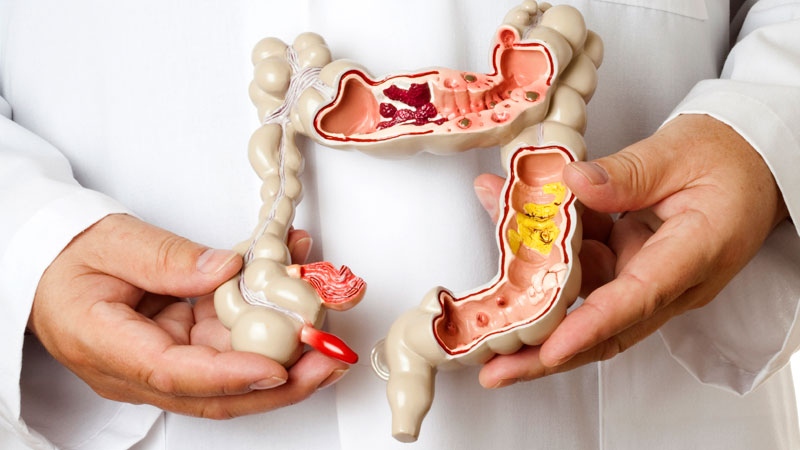
Functional gastrointestinal disorders (FGIDs), particularly irritable bowel syndrome (IBS) and functional dyspepsia (FD), are among the most common digestive conditions worldwide. IBS affects approximately 10-15% of the population, while FD affects nearly 20%, significantly impairing quality of life and increasing healthcare utilization. These disorders are chronic, relapsing, and multifactorial, often presenting with overlapping symptoms that complicate diagnosis and management.1
From a biomedical perspective, IBS is characterized by recurrent abdominal pain associated with altered bowel habits, bloating, and incomplete evacuation, whereas FD manifests as epigastric pain, postprandial fullness, early satiety, and upper abdominal discomfort without identifiable structural abnormalities. Current understanding implicates gut-brain axis dysfunction, visceral hypersensitivity, altered gastrointestinal motility, intestinal dysbiosis, and psychosocial stressors in their pathogenesis. Conventional treatments, including proton pump inhibitors, prokinetics, antispasmodics, probiotics, antidepressants, and dietary modifications, provide symptomatic relief but are often limited by incomplete efficacy, adverse effects, and frequent relapse.
Ayurvedic perspective
Ayurveda offers a holistic framework for understanding FGIDs by emphasizing the role of digestive function, dietary habits, and psychosomatic balance. IBS is broadly correlated with Grahani Roga, a condition arising from impaired Agni (digestive fire) and the accumulation of Ama (undigested toxic metabolites). Functional dyspepsia closely resembles Ajirna (indigestion) and Amlapitta, disorders associated with disturbed digestion, dietary indiscretions, and Dosha imbalance.
Ayurvedic texts also recognize psychological factors such as anxiety, fear, and grief as important contributors to digestive dysfunction, reflecting modern concepts of stress-mediated gut–brain interactions. Thus, the disease process is viewed as a combination of impaired digestion, systemic imbalance, and mental stress.2
Therapeutic approaches in Ayurveda
The primary goals of Ayurvedic management are restoration of digestive capacity, elimination of Ama, correction of Dosha imbalance, and improvement of psychosomatic well-being. Treatment strategies include:
- Shodhana (detoxification therapies): Procedures such as Virechana (therapeutic purgation) and Basti (medicated enema) are employed according to the predominant Dosha and clinical presentation.
- Shamana (palliative therapies): Digestive stimulants and carminative formulations are used to enhance Agni, improve digestion, and alleviate symptoms.
- Pathya-Apathya (diet and lifestyle modifications): Emphasis is placed on easily digestible foods, regular meal timings, fermented preparations such as Takra (buttermilk), and avoidance of incompatible dietary practices.
- Manasika Chikitsa (mind–body interventions): Yoga, meditation, and Pranayama are recommended to reduce stress and improve gut–brain balance.
Correlation with modern concepts
Several Ayurvedic principles show remarkable parallels with contemporary pathophysiological understanding. The concept of impaired Agni resembles abnormalities in digestion and gastrointestinal motility, while Ama may be viewed as a representation of metabolic dysfunction and altered gut homeostasis. Similarly, Ayurvedic recognition of emotional factors aligns with evidence supporting the role of the gut–brain axis in FGIDs.
The multimodal nature of Ayurvedic interventions mirrors current integrative approaches that combine dietary modification, microbiome-targeted therapies, and stress management for symptom control.3
Clinical evidence and future directions
Emerging clinical studies suggest that Ayurvedic interventions may improve abdominal pain, bloating, bowel regularity, dyspeptic symptoms, and overall quality of life. The probiotic-like properties of Takra, anti-inflammatory effects of herbal formulations, and stress-reducing benefits of Yoga support the biological plausibility of these therapies.
However, despite promising findings, Ayurveda remains underrepresented in mainstream gastrointestinal care due to limited high-quality clinical trials, lack of standardized treatment protocols, and challenges in integrating traditional practices with modern healthcare systems. Future research should focus on rigorous randomized controlled trials, standardized formulations, and long-term outcome assessment to strengthen the evidence base.4
Conclusion
IBS and functional dyspepsia remain challenging disorders because of their chronic, relapsing nature and multifactorial pathogenesis. Ayurveda provides a comprehensive, patient-centered approach that addresses digestive dysfunction, dietary habits, and psychosocial factors simultaneously. By integrating traditional Ayurvedic principles with modern biomedical understanding, a more holistic and sustainable strategy for managing FGIDs may be achieved. Further scientific validation and clinical integration are needed to fully realize the potential of Ayurveda in the management of these common gastrointestinal disorders.
References:
- Fikree A, Byrne P. Management of functional gastrointestinal disorders. Clin Med (Lond). 2021;21(1):44-52. doi:10.7861/clinmed.2020-0980 https://pmc.ncbi.nlm.nih.gov/articles/PMC7850201/
- Sharma TS, Reddy EV. Ayurvedic management of Irritable Bowel Syndrome and Dyspepsia: Clinical Insights – An Integrative Review. J Ayurveda Integr Med Sci. 2026;11(1):229–235. doi:10.21760/jaims.11.1.35. https://jaims.in/jaims/article/view/5276/9511
- Vakiti S, Farriss L, Mehta H, et al. The Efficacy of Ayurvedic Herbs in the Prevention and Treatment of Inflammatory Bowel Disease: A Scoping Review. Cureus. 2025;17(5):e84410. Published 2025 May 19. doi:10.7759/cureus.84410 https://pmc.ncbi.nlm.nih.gov/articles/PMC12176073/
- Pastras P, Aggeletopoulou I, Bali M, Triantos C. Plant-Derived Treatments for IBS: Clinical Outcomes, Mechanistic Insights, and Their Position in International Guidelines. Nutrients. 2026;18(2):183. Published 2026 Jan 6. doi:10.3390/nu18020183 https://pmc.ncbi.nlm.nih.gov/articles/PMC12845297/