
Introduction
Diabetes mellitus and its complications contribute significantly to global mortality, accounting for 12.2% of deaths in individuals aged 20 to 79 years. Type 2 diabetes mellitus is the most prevalent form and is characterized by impaired hepatic glucose metabolism, reduced pancreatic beta-cell function, and peripheral insulin resistance. In this context, nutrient-dense staple crops with bioactive potential, such as sweet potato, are increasingly relevant for metabolic support through dietary approaches. 1
Botanical and nutritional significance of sweet potato
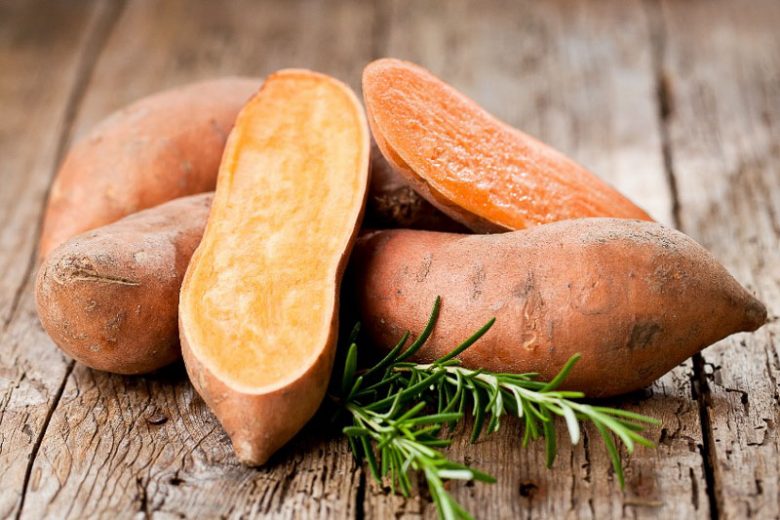
Sweet potato (Ipomoea batatas) is a versatile and nutrient-rich root crop belonging to the Convolvulaceae family. It is widely cultivated across tropical, subtropical, and temperate regions due to its strong adaptability and contribution to food security. In low-income regions, it functions as an important staple food, supporting dietary intake and helping address nutritional deficiencies.
Key features include:
- Heterozygous hexaploid plant structure
- High adaptability to diverse climatic conditions
- Significant role in sustainable agriculture and food security systems
Its importance extends beyond basic nutrition, particularly in regions with persistent food insecurity. 2
Bioactive composition and functional properties
Sweet potato contains a broad range of bioactive compounds that contribute to its nutritional and functional relevance. These include flavonoids, non-flavonoids, carotenoids, organic acids, and anthocyanins, with purple-fleshed varieties showing the highest anthocyanin content.
Additional nutritional characteristics include:
- Energy provision of approximately 85 kcal per 100 g fresh weight
- Presence of polysaccharides along with proteins and related compounds enhancing antioxidant activity
- High overall antioxidant potential due to synergistic phytochemical composition 3
These constituents contribute to:
- Free radical scavenging activity
- Reduction of oxidative stress
- Lowering risk of chronic diseases such as diabetes, cardiovascular disorders, and cancer
Metabolic and antidiabetic relevance
Anthocyanin-rich sweet potato varieties demonstrate metabolic regulatory effects relevant to type 2 diabetes mellitus. Their bioactive components are associated with:
- Enhanced glucose metabolism
- Improved insulin sensitivity
- Reduction in inflammatory activity
Anthocyanins also contribute to antioxidant enzyme activation and modulation of inflammatory pathways, supporting their role in metabolic regulation and chronic disease prevention. 4
Functional relevance in type 2 diabetes mellitus
Sweet potato, especially purple-fleshed varieties, is recognized for its potential role in dietary management of type 2 diabetes mellitus. Its long-standing use as a staple food aligns with its emerging relevance in metabolic health strategies.
Key functional contributions include:
- Support for glycemic control regulation
- Improvement in metabolic balance in type 2 diabetes mellitus contexts
- Integration into culturally relevant dietary systems with nutritional value
Anthocyanins remain central bioactive compounds responsible for these effects due to their antioxidant and anti-inflammatory properties. 5
Conclusion
Sweet potato (Ipomoea batatas) represents a nutrient-rich and bioactive-dense crop with meaningful relevance in type 2 diabetes mellitus. Its phytochemical profile, particularly anthocyanins, supports metabolic regulation through antioxidant and anti-inflammatory mechanisms. Combined with its agricultural adaptability and nutritional value, sweet potato serves as a functional dietary component with potential application in metabolic health support strategies.
References:
1. Arisanti CIS, Wirasuta IMAG, Musfiroh I, Ikram EHK, Muchtaridi M. Mechanism of Anti-Diabetic Activity from Sweet Potato (Ipomoea batatas): A Systematic Review. Foods. 2023;12(14):2810. Published 2023 Jul 24. doi:10.3390/foods12142810. https://pmc.ncbi.nlm.nih.gov/articles/PMC10378973/
2. Sapakhova Z, Raissova N, Daurov D, et al. Sweet Potato as a Key Crop for Food Security under the Conditions of Global Climate Change: A Review. Plants (Basel). 2023;12(13):2516. Published 2023 Jun 30. doi:10.3390/plants12132516. https://pmc.ncbi.nlm.nih.gov/articles/PMC10346279/
3. Rosell MLÁ, Quizhpe J, Ayuso P, Peñalver R, Nieto G. Proximate Composition, Health Benefits, and Food Applications in Bakery Products of Purple-Fleshed Sweet Potato (Ipomoea batatas L.) and Its By-Products: A Comprehensive Review. Antioxidants (Basel). 2024;13(8):954. Published 2024 Aug 6. doi:10.3390/antiox13080954. https://pmc.ncbi.nlm.nih.gov/articles/PMC11351671/
4. Escobar-Puentes AA, Palomo I, Rodríguez L, et al. Sweet Potato (Ipomoea batatas L.) Phenotypes: From Agroindustry to Health Effects. Foods. 2022;11(7):1058. Published 2022 Apr 6. doi:10.3390/foods11071058. https://pmc.ncbi.nlm.nih.gov/articles/PMC8997864/
5. Maqsood S, Basher NS, Arshad MT, et al. Anthocyanins From Sweet Potatoes (Ipomoea batatas): Bioavailability, Mechanisms of Action, and Therapeutic Potential in Diabetes and Metabolic Disorders. Food Sci Nutr. 2025;13(9):e70895. Published 2025 Sep 4. doi:10.1002/fsn3.70895. https://pmc.ncbi.nlm.nih.gov/articles/PMC12409302/#fsn370895-sec-0021