
Introduction
Hypertension research has progressively advanced the understanding of its pathophysiology, transforming it from an incompletely understood condition into a well-characterized cardiovascular disorder. A continuous relationship exists between blood pressure levels and the risk of cardiovascular and renal events. The distinction between normotension and hypertension is operational and defined for diagnostic and therapeutic decision-making purposes. Hypertension is currently defined as office systolic blood pressure (SBP) ≥140 mmHg and/or diastolic blood pressure (DBP) ≥90 mmHg. Evidence consistently demonstrates that effective blood pressure reduction significantly decreases premature morbidity and mortality.
Hypertension remains a major global public health challenge, accounting for approximately 7.6 million premature deaths and contributing to 92 million disability-adjusted life years (DALYs) worldwide. Hypertension is often asymptomatic and is therefore termed the “silent killer.” Poor adherence to multi-drug antihypertensive regimens further limits optimal disease control.
Growing interest in plant-based therapeutics has led to increased exploration of medicinal plants with antihypertensive potential, with several agents undergoing scientific validation over recent decades.
Botanical and phytochemical profile
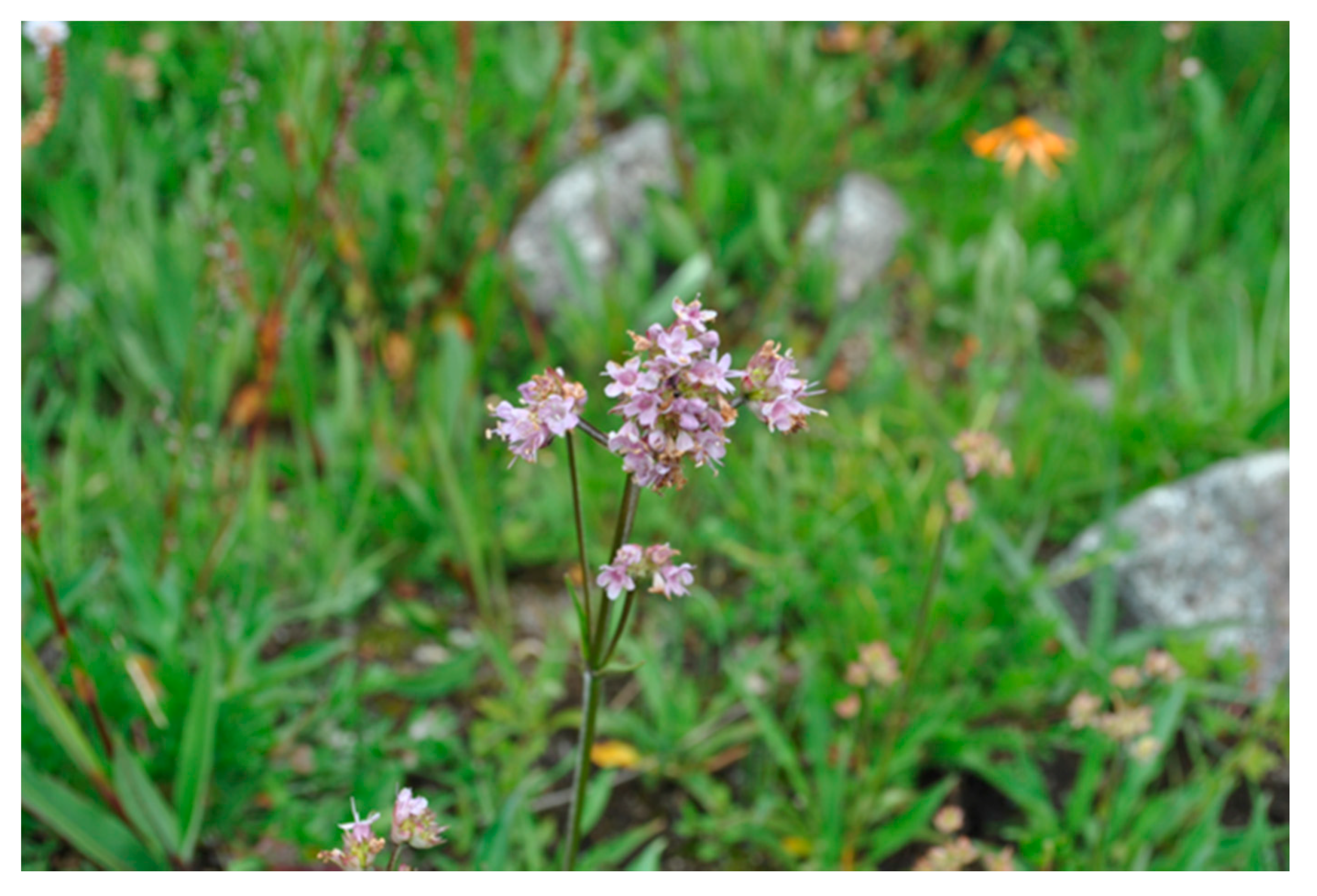
Nardostachys jatamansi (commonly known as muskroot or Indian spikenard) is a perennial, rhizomatous herb belonging to the family Caprifoliaceae (earlier Valerianaceae). It is native to high-altitude Himalayan regions, typically growing at elevations of 3300–5000 meters across Nepal, India (Sikkim, Himachal Pradesh), Bhutan, and adjacent regions.
The plant is characterized by stout, woody rhizomes that are dark grey, cylindrical, and covered with reddish-brown fibrous roots. It contains both volatile and non-volatile phytoconstituents, including sesquiterpenes, alkaloids, coumarins, and flavonoids. Major bioactive compounds such as jatamansone and valeranone contribute significantly to its pharmacological activity.1
Traditional and pharmacological relevance
Nardostachys jatamansi has been extensively used in Unani, Ayurvedic, Tibetan, and other traditional systems of medicine. It is described in classical Unani texts such as Kitab al-Adwiya al-Qalbiya for cardiac disorders, where it is attributed deobstruent, cardiotonic, and mood-stabilizing properties.
Modern pharmacological studies have demonstrated multiple biological activities, including anxiolytic, sedative, antispasmodic, antioxidant, anti-inflammatory, and antihypertensive effects. Mechanistic investigations suggest angiotensin-converting enzyme (ACE) inhibitory potential, cholinesterase inhibition, and modulation of oxidative stress pathways, supporting its relevance in cardiovascular regulation.
Mechanisms of antihypertensive action
Modulation of renin angiotensin aldosterone system:
Nardostachys jatamansi has demonstrated potential angiotensin-converting enzyme (ACE) inhibitory activity in experimental studies.2 By attenuating ACE-mediated conversion of angiotensin I to angiotensin II, it may reduce vasoconstriction, aldosterone secretion, and sodium retention, thereby contributing to blood pressure reduction.
Sympatholytic and central nervous system effects:
The plant exhibits sedative and anxiolytic properties that may indirectly reduce sympathetic overactivity, a key contributor to essential hypertension. By modulating central neurotransmitters, it may decrease stress-induced catecholamine release, leading to reduced peripheral vascular resistance and heart rate.
Endothelial protection and vasodilation:
Antioxidant constituents in N. jatamansi improve endothelial function by reducing oxidative stress and enhancing nitric oxide bioavailability. This promotes vascular smooth muscle relaxation and contributes to sustained vasodilation.
Pharmacological activities relevant to hypertension
Antioxidant activity:
The plant contains sesquiterpenes and flavonoids that scavenge free radicals and reduce lipid peroxidation. This protects vascular endothelium from oxidative injury, a key pathological factor in hypertension progression.
Anti-inflammatory effects:
N. jatamansi suppresses pro-inflammatory mediators such as TNF-α, IL-6, and COX-2,3 thereby reducing vascular inflammation and preventing endothelial dysfunction and arterial stiffness.
Neurocardiac modulation:
Its bioactive compounds exhibit mild cardiotonic and neuroprotective effects, contributing to improved autonomic balance and stabilization of cardiovascular function.
Experimental and preclinical evidence
Animal studies have shown that Nardostachys jatamansi extract significantly reduces systolic and diastolic blood pressure in experimentally induced hypertensive models. These effects are associated with improved antioxidant enzyme activity, reduced lipid peroxidation, and enhanced vascular reactivity.
Methanolic extracts have demonstrated ACE inhibitory potential, supporting their role in pharmacological blood pressure regulation. Additionally, improvements in stress-induced hypertension models suggest a combined central and peripheral mechanism of action.
Clinical relevance and current evidence
Limited clinical data suggest that N. jatamansi may contribute to modest reductions in blood pressure when used as an adjunct therapy. Its benefits appear more pronounced in patients with stress-related or mild essential hypertension due to its anxiolytic properties.
However, robust randomized controlled trials are limited, and current evidence remains largely preclinical or observational in nature.
Safety profile and limitations
Nardostachys jatamansi is generally considered safe in traditional use, but high-dose or prolonged administration may lead to sedation, gastrointestinal discomfort, or drug interactions with CNS depressants. Standardization of extracts and dosage remains a major limitation in clinical application.
Therapeutic significance and future perspectives
N. jatamansi represents a promising phytotherapeutic candidate for the management of essential hypertension due to its multi-targeted actions on neurogenic, oxidative, inflammatory, and hormonal pathways. Future research should focus on standardized formulations, mechanistic clinical trials, and long-term safety evaluation to establish its role in evidence-based antihypertensive therapy.
Conclusion
Nardostachys jatamansi exhibits multifactorial antihypertensive potential through ACE inhibition, sympatholytic activity, antioxidant defense, and anti-inflammatory effects. Although preclinical evidence supports its efficacy in essential hypertension, further large-scale clinical studies are required to validate its therapeutic utility and integrate it into modern cardiovascular management protocols.
References:
- Bhat MDA, Malik SA. Efficacy of Nardostachys jatamansi (D.Don) DC in essential hypertension: A randomized controlled study. Complement Ther Med. 2020;53:102532. doi:10.1016/j.ctim.2020.102532. https://www.sciencedirect.com/science/article/abs/pii/S0965229920317994?via%3Dihub
- Patel H, Gamit D. Angiotensin converting enzyme (ACE): inhibition of rabbit lungs ACE in vitro by Nardostacys Jatamansi. Int J Sci Res Sci Technol. 2018;4:1519.. https://www.researchgate.net/profile/Dhara-Gamit/publication/326224180_Angiotensin_Converting_Enzyme_ACE_Inhibition_of_Rabbit_Lungs_ACE_in_Vitro_by_Nardostacys_Jatamansi/links/5b3f059ea6fdcc8506ffcd6f/Angiotensin-Converting-Enzyme-ACE-Inhibition-of-Rabbit-Lungs-ACE-in-Vitro-by-Nardostacys-Jatamansi.pdf
- Yoon CS, Lee H, Liu Z, et al. Cycloolivil Isolated from Nardostachys jatamansi Inhibits TNF-α/IFN-γ-Induced Chemokine Production by Blocking NF-κB and JAK/STAT Activation in HaCaT Keratinocytes. Int J Mol Sci. 2024;25(6):3342. Published 2024 Mar 15. doi:10.3390/ijms25063342. https://pmc.ncbi.nlm.nih.gov/articles/PMC10969846/