
Introduction
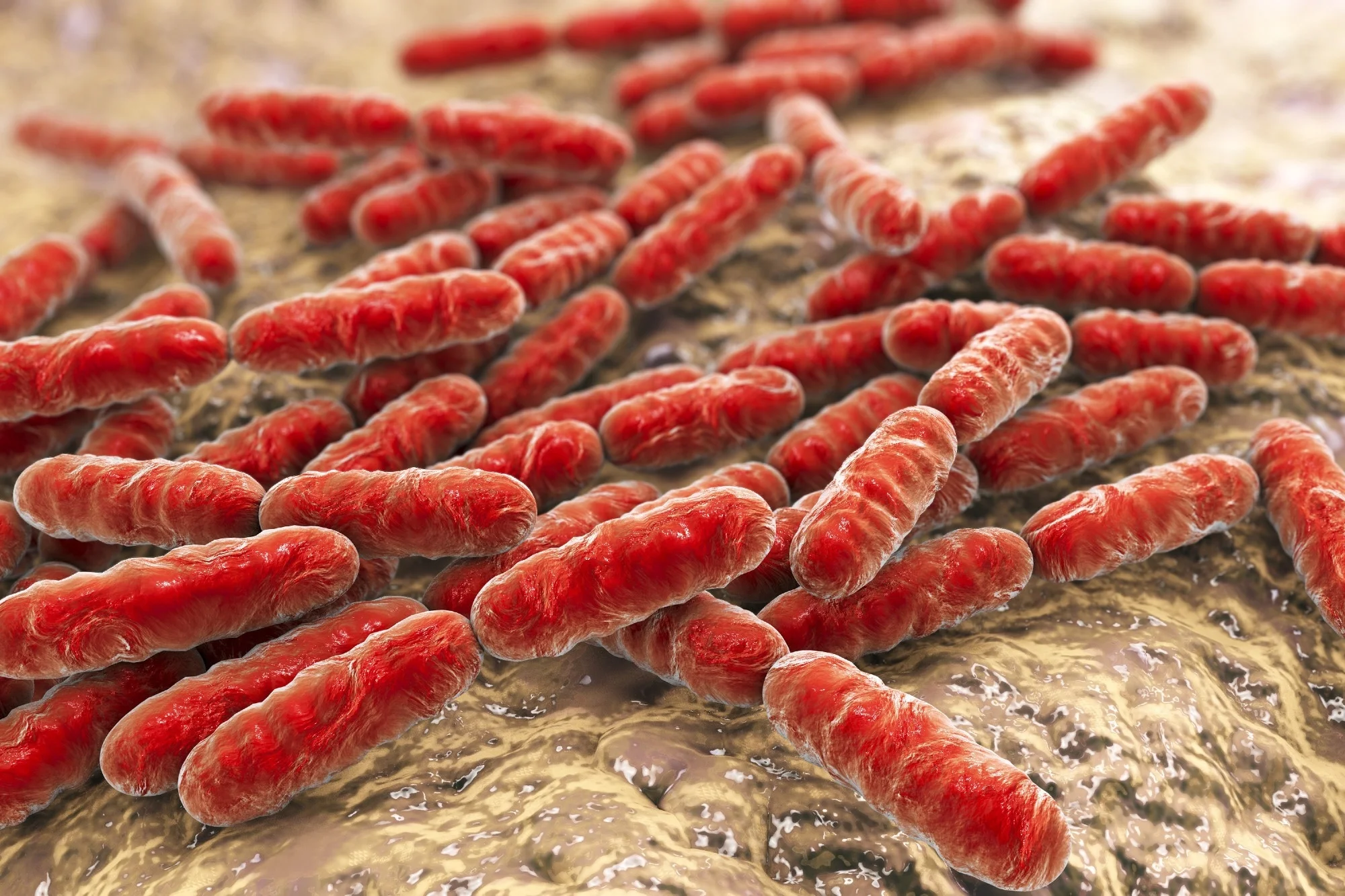
Lactic acid bacteria are widely recognized as probiotic microorganisms due to their multifactorial benefits in humans as well as in fish, poultry, and other livestock. Traditionally fermented products have long served as important sources of beneficial microbes. Several fermented foods have been identified as reservoirs of probiotic microorganisms, highlighting the growing interest in naturally occurring microbial communities. In Ayurveda, fermented formulations may similarly serve as valuable sources of probiotic organisms, although their exploration remains relatively limited. Among Ayurvedic fermented preparations, Kanjika has been investigated for the isolation and characterization of Lactobacillus species with probiotic attributes. 1
Ayurvedic fermented formulations as reservoirs of probiotics
- Traditional fermented products are naturally rich in Lactobacilli and other beneficial microorganisms.
- Ayurvedic fermented formulations may contain diverse microbial populations that contribute to their therapeutic value.
- Kutajarista, a classical Ayurvedic formulation used in conditions such as dysentery and piles, has demonstrated a rich diversity of Lactobacillus species.
- Characterization of its microbial profile has highlighted the presence of probiotic microorganisms with potential health-promoting properties. 2
Antibacterial properties of Lactobacillus species
- Lactobacillus species exhibit the ability to antagonize several gastrointestinal pathogens.
- Beneficial activity has been observed against pathogens including enterohemorrhagic Escherichia coli, Helicobacter pylori, Salmonella typhimurium, and Shigella dysenteriae.
- These properties support the role of probiotic microorganisms in maintaining microbial balance and promoting gastrointestinal health. 3
Relevance against Aeromonas infections
- Aeromonas hydrophila, Aeromonas salmonicida, and Aeromonas veronii are recognized as emerging pathogens associated with gastrointestinal disorders and diarrheal illnesses.
- The widespread ecological distribution of Aeromonas species increases the likelihood of human exposure and transmission.
- Probiotic strains isolated from Ayurvedic fermented formulations have demonstrated antibacterial activity against Aeromonas veronii, highlighting their potential role in limiting pathogen-associated gastrointestinal disturbances. 4
Protection of epithelial integrity
- Preservation of epithelial barrier function is an important aspect of gastrointestinal health.
- Aeromonas veronii is capable of inducing epithelial damage through disruption of ZO-1 and F-actin, key components involved in tight-junction integrity.
- Metabolites produced by Lactobacillus plantarum VR1 have demonstrated the ability to prevent such epithelial damage and maintain cellular integrity.
- The interaction between ZO-1 and F-actin is essential for the structural and functional organization of epithelial tight junctions, emphasizing the significance of probiotic-mediated protection.
Conclusion
Ayurvedic fermented formulations such as Kutajarista represent valuable sources of probiotic Lactobacillus species. Their antibacterial activity against gastrointestinal pathogens, ability to support epithelial barrier integrity, and role in maintaining microbial balance highlight their therapeutic relevance. The probiotic diversity present within traditional Ayurvedic fermented preparations underscores their potential contribution to digestive health and supports further integration of these formulations into contemporary discussions on gut microbiota and gastrointestinal wellness.5
References:
1. Kaushik JK, Kumar A, Duary RK, Mohanty AK, Grover S, Batish VK. Functional and probiotic attributes of an indigenous isolate of Lactobacillus plantarum. PLoS One. 2009;4(12):e8099. Published 2009 Dec 1. doi:10.1371/journal.pone.0008099. https://pmc.ncbi.nlm.nih.gov/articles/PMC2779496/
2. Reddy KB, Raghavendra P, Kumar BG, Misra MC, Prapulla SG. Screening of probiotic properties of lactic acid bacteria isolated from Kanjika, an ayruvedic lactic acid fermented product: an in-vitro evaluation. J Gen Appl Microbiol. 2007;53(3):207-213. doi:10.2323/jgam.53.207. https://www.jstage.jst.go.jp/article/jgam/53/3/53_3_207/_article
3. Qin H, Zhang Z, Hang X, Jiang Y. L. plantarum prevents enteroinvasive Escherichia coli-induced tight junction proteins changes in intestinal epithelial cells. BMC Microbiol. 2009;9:63. Published 2009 Mar 31. doi:10.1186/1471-2180-9-63. https://pmc.ncbi.nlm.nih.gov/articles/PMC2674056/
4. Janda JM, Abbott SL. The genus Aeromonas: taxonomy, pathogenicity, and infection. Clin Microbiol Rev. 2010;23(1):35-73. doi:10.1128/CMR.00039-09. https://pmc.ncbi.nlm.nih.gov/articles/PMC2806660/
5. Kumar H, Rangrez AY, Dayananda KM, Atre AN, Patole MS, Shouche YS. Lactobacillus plantarum (VR1) isolated from an ayurvedic medicine (Kutajarista) ameliorates in vitro cellular damage caused by Aeromonas veronii. BMC Microbiol. 2011;11:152. Published 2011 Jun 27. doi:10.1186/1471-2180-11-152. https://pmc.ncbi.nlm.nih.gov/articles/PMC3145568/#sec12