
Introduction
Gastroesophageal reflux disease (GERD) is a chronic upper gastrointestinal disorder characterized by recurrent reflux of gastric contents into the esophagus, leading to symptoms such as heartburn, regurgitation, and epigastric discomfort, along with potential mucosal injury.1 While proton pump inhibitors (PPIs) and H2-receptor antagonists remain the cornerstone of therapy, concerns regarding long-term safety, incomplete symptom control, and recurrence after withdrawal have stimulated interest in complementary and alternative approaches. In this context, botanicals and plant-derived products have gained attention due to their multifaceted actions, including antioxidant, anti-inflammatory, mucosal-protective, prokinetic, and microbiota-modulating effects. A growing body of preclinical and clinical evidence supports their role as adjuncts or potential alternatives in GERD management.
Mechanisms of action of botanicals in GERD
Across diverse botanical agents, several shared mechanisms contribute to therapeutic effects:
- Antioxidant activity: Scavenging reactive oxygen species and reducing lipid peroxidation
- Anti-inflammatory effects: Inhibition of NF-κB, COX, and LOX pathways
- Mucosal protection: Enhancement of mucus secretion and epithelial regeneration
- Prokinetic effects: Improved gastric emptying and LES function
- Microbiota modulation: Restoration of microbial balance and reduced dysbiosis
Botanical agents in GERD management
- Licorice (Glycyrrhiza spp.): Licorice root is widely used for its demulcent and gastroprotective properties. Its bioactive triterpenoid saponins and flavonoids enhance mucus secretion and protect esophageal mucosa from acid-induced injury. Deglycyrrhizinated licorice (DGL) is preferred to avoid adverse effects such as hypertension and hypokalemia. Clinical studies show improvement in GERD symptoms and quality of life, with benefits comparable to conventional acid-suppressive therapy in mild cases.
- Chamomile (Chamomilla recutita/Chamaemelum nobile): Chamomile contains flavonoids (e.g., apigenin) and terpenoids that exert anti-inflammatory, antispasmodic, and soothing effects on the gastrointestinal tract. It reduces mucosal irritation and stress-related reflux symptoms. Although clinical GERD-specific trials are limited, symptomatic improvement in dyspepsia and reflux-related discomfort has been reported.
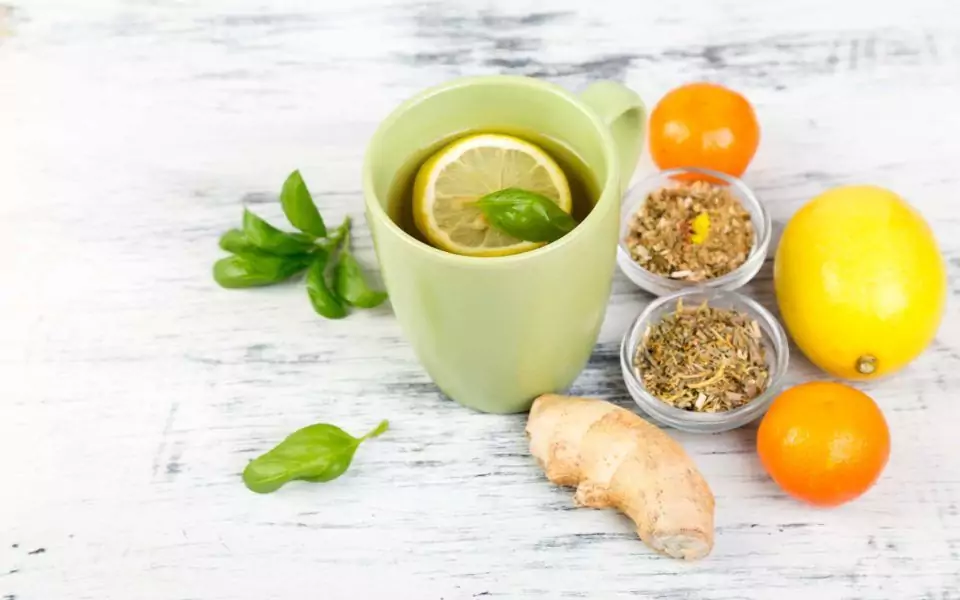
- Ginger (Zingiber officinale): Ginger is a well-established prokinetic and antiemetic herb. Its active constituents, gingerols and shogaols, enhance gastric emptying, reduce gastric stasis, and suppress inflammatory pathways such as NF-κB and MAPK signaling. Clinical studies suggest symptomatic improvement in postprandial fullness, nausea, and reflux-related dyspepsia, though GERD-specific trials remain limited.
- Aloe vera: Aloe vera gel exhibits anti-inflammatory, wound-healing, and mucosal-protective properties. It reduces gastric acid secretion and promotes esophageal mucosal repair. Clinical evidence indicates reduction in heartburn, regurgitation, and nausea, with efficacy comparable to standard acid-suppressive agents in mild GERD.
- Marshmallow root (Althaea officinalis): Marshmallow root contains mucilaginous polysaccharides that form a protective bioadhesive layer over mucosal surfaces. This barrier effect reduces esophageal irritation and supports epithelial regeneration. Experimental studies show anti-ulcer and antioxidant effects, although clinical GERD data are still limited.
- Slippery elm: Slippery elm bark is rich in mucilage that forms a gel-like protective coating over the esophageal lining. Clinical use in multi-ingredient formulations has shown improvement in heartburn, indigestion, and gut permeability, suggesting potential benefits in GERD symptom control.
- Melatonin: Melatonin, a gut-derived and pineal hormone, enhances lower esophageal sphincter (LES) tone and reduces gastric acid secretion. It also exerts strong antioxidant and anti-inflammatory effects. Clinical trials demonstrate significant improvement in GERD-related quality of life and symptom scores, with effects comparable or superior to conventional therapy in some studies.
Polyphenols and flavonoids in GERD
Polyphenols and flavonoids play a central role in mucosal protection by neutralizing oxidative stress and reducing inflammatory cytokines such as TNF-α. Compounds like quercetin (from apples and onions), epigallocatechin gallate (EGCG) from green tea, and curcumin from turmeric inhibit NF-κB signaling, reduce lipid peroxidation, and promote mucosal healing. Additionally, they strengthen epithelial barrier integrity and modulate gut microbiota, enhancing beneficial bacterial populations while suppressing pathogenic strains. These mechanisms collectively reduce esophageal inflammation and reflux severity.
Essential oils and plant extracts
Plant-derived essential oils such as clove (eugenol), citrus oils (limonene), and chamomile extracts exhibit gastroprotective effects primarily through increased mucus secretion, prostaglandin modulation, and antioxidant activity. Notably, they provide mucosal protection without significantly altering gastric acid secretion, making them attractive alternatives to PPIs, especially in cases where acid rebound is a concern.
Conclusion
Botanicals represent a promising adjunctive strategy in GERD management due to their multi-targeted mechanisms addressing both symptoms and underlying pathophysiology. Agents such as licorice, ginger, aloe vera, chamomile, melatonin, and polyphenol-rich compounds demonstrate clinically relevant gastroprotective, anti-inflammatory, and prokinetic effects. Additionally, probiotics and prebiotics extend therapeutic potential by restoring gut microbial balance. While current evidence is encouraging, variability in formulations, limited large-scale randomized trials, and lack of standardization remain challenges. Future research should focus on well-designed clinical studies to establish efficacy, safety, optimal dosing, and integration with conventional therapies for evidence-based, holistic GERD management.1
References:
-
- Komolafe K, Komolafe TR, Crown OO, et al. Natural Products in the Management of Gastroesophageal Reflux Disease: Mechanisms, Efficacy, and Future Directions. Nutrients. 2025;17(6):1069. Published 2025 Mar 19. doi:10.3390/nu17061069 https://pmc.ncbi.nlm.nih.gov/articles/PMC11944625/#sec5-nutrients-17-01069