
Introduction
Medicinal plants have historically served as the primary source of therapeutics for the treatment of diverse diseases. According to the World Health Organization, nearly 80% of the global population continues to rely on herbal medicines, particularly in low- and middle-income countries where accessibility and affordability of synthetic drugs remain limited. Herbal medicines are generally considered safer and are associated with fewer adverse effects, which contributes to their continued preference in traditional and complementary healthcare systems. With recent advancements in biotechnology and the emergence of vertical farming, medicinal plants are gaining renewed scientific attention and are increasingly being integrated into pharmaceuticals, nutraceuticals, and functional food systems.
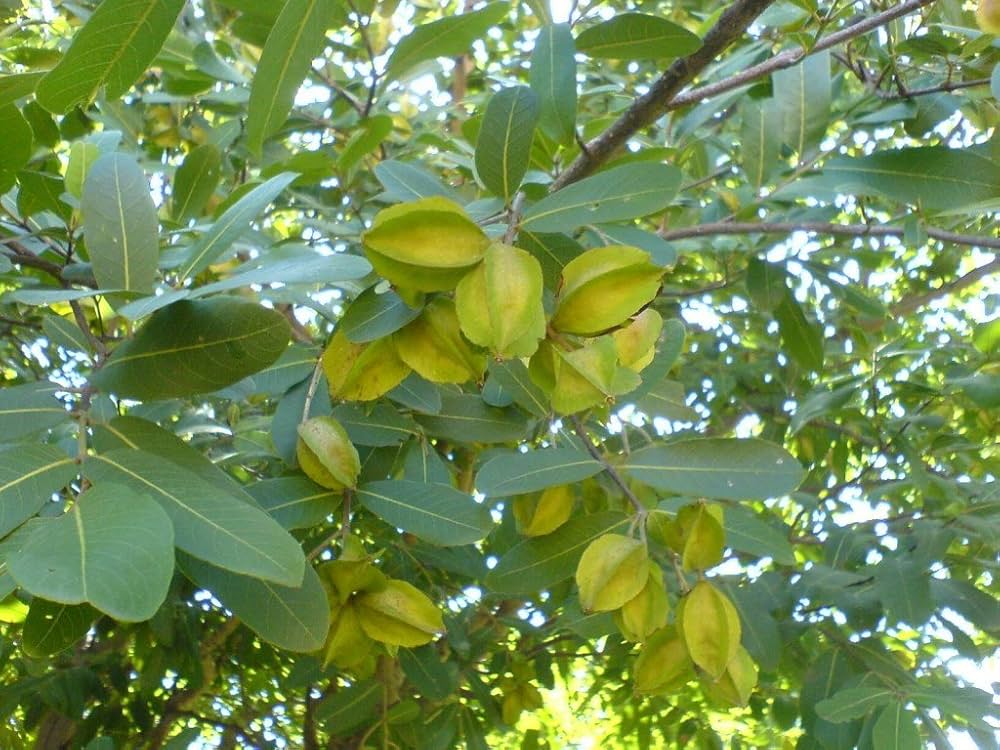
Terminalia arjuna, a member of the Combretaceae family, is one such widely studied medicinal plant native to the Indian subcontinent. It is a large deciduous to evergreen tree whose various parts, including bark, leaves, fruits, seeds, and roots, exhibit therapeutic properties, although the bark is considered the most pharmacologically active. The plant is deeply rooted in traditional medicine systems such as Ayurveda, Siddha, and Unani, and is widely recognized for its cardioprotective relevance. Phytochemical investigations have shown that T. arjuna contains a wide range of bioactive compounds including flavonoids, tannins, glycosides, triterpenoids, and polyphenols, which collectively contribute to its antioxidant, anti-inflammatory, anti-atherosclerotic, and anticancer activities. These properties support its therapeutic application in conditions such as ischemic heart disease, cardiomyopathy, atherosclerosis, and tumor progression.
In addition to its traditional pharmacological relevance, Terminalia arjuna has gained modern scientific interest due to its role in green nanotechnology and advanced drug delivery systems. Plant-derived extracts are increasingly being explored as eco-friendly reducing and stabilizing agents for the synthesis of metallic nanoparticles, offering a sustainable alternative to conventional chemical methods that often involve toxic reagents. Furthermore, polymeric formulations of T. arjuna extracts are being investigated to overcome limitations such as poor solubility, low bioavailability, and limited stability, thereby enhancing their therapeutic efficacy and clinical potential.
Extraction of phytochemicals from Terminalia arjuna
The extraction of bioactive compounds from Terminalia arjuna represents the fundamental step in harnessing its medicinal potential. This process typically begins with the collection and authentication of plant material, followed by appropriate pre-processing, extraction, fractionation, and isolation of phytoconstituents. The efficiency of extraction is strongly influenced by several parameters, including solvent type, particle size of the plant material, extraction duration, temperature, and solvent-to-plant ratio, all of which determine the yield and quality of bioactive compounds.
Traditional extraction techniques such as maceration, infusion, decoction, Soxhlet extraction, and hydrodistillation have been widely used; however, they are often associated with limitations such as high solvent consumption, long processing times, and reduced selectivity. In contrast, modern extraction techniques including microwave-assisted extraction, ultrasound-assisted extraction, supercritical fluid extraction, and enzymatic methods offer improved efficiency, higher reproducibility, reduced solvent usage, and better preservation of thermolabile compounds. These advancements have significantly improved the standardization and scalability of phytochemical extraction processes.
Pre-extraction processing plays a critical role in maintaining the integrity of phytochemicals. Drying is particularly important as it prevents microbial contamination and enzymatic degradation, with optimal moisture content typically maintained below 12% to ensure stability. Grinding or powdering of plant material further enhances extraction efficiency by increasing surface area and improving solvent penetration, with finer particles generally yielding better phytochemical recovery. Solvent selection is another key determinant, as polar solvents such as water, methanol, and ethanol preferentially extract polyphenols and flavonoids, while non-polar solvents such as hexane and chloroform are more suitable for lipophilic compounds. Sequential solvent extraction based on polarity is often employed to obtain a broader spectrum of phytochemicals from the plant matrix.
Mechanism of pharmacological actions
The therapeutic efficacy of Terminalia arjuna is primarily attributed to its rich phytochemical composition, which exerts multiple pharmacological effects through distinct but interconnected molecular pathways. Its antioxidant activity is largely mediated by polyphenols and flavonoids, which neutralize reactive oxygen species, chelate metal ions, and inhibit oxidative stress-induced cellular damage. Compounds such as quercetin, gallic acid, and ellagic acid play a central role in scavenging free radicals and maintaining redox homeostasis.
The anti-inflammatory effects are mainly driven by the inhibition of key inflammatory mediators including cyclooxygenase enzymes (COX-1 and COX-2) and inducible nitric oxide synthase, resulting in reduced production of prostaglandins and nitric oxide. Additionally, the modulation of cytokine expression and enhancement of endogenous antioxidant enzymes such as superoxide dismutase and catalase further contribute to its anti-inflammatory potential.1
Cardioprotective activity is achieved through multiple mechanisms, including improvement of endothelial function, regulation of lipid metabolism with reduction in low-density lipoprotein and elevation of high-density lipoprotein levels, and inhibition of platelet aggregation. These effects collectively contribute to improved vascular health and reduced risk of ischemic injury.
Anti-atherosclerotic effects are mediated through suppression of foam cell formation, inhibition of low-density lipoprotein oxidation, and modulation of nuclear receptor pathways such as peroxisome proliferator-activated receptor gamma and liver X receptor alpha. This leads to reduced inflammatory signaling through nuclear factor kappa B and decreased progression of vascular plaque formation.
The anticancer potential of Terminalia arjuna is associated with its ability to induce apoptosis, inhibit cell proliferation, prevent DNA damage, and disrupt microtubule dynamics. These effects are primarily attributed to its polyphenolic content and, in some cases, bioactive metabolites such as taxol derived from associated endophytic fungi, which interfere with mitotic spindle formation and arrest cancer cell division.2
Green synthesis of nanoparticles using Terminalia arjuna
Terminalia arjuna has emerged as an effective biological resource for the green synthesis of metallic nanoparticles, offering a sustainable alternative to conventional physical and chemical synthesis methods. In plant-mediated synthesis, phytochemicals such as polyphenols, flavonoids, tannins, and proteins act as both reducing and stabilizing agents, facilitating the conversion of metal ions into stable nanoparticles under mild conditions. This approach is environmentally friendly, cost-effective, and reduces the use of toxic chemicals typically involved in chemical synthesis methods.
The formation of nanoparticles involves the reduction of metal ions through electron donation by plant metabolites, followed by stabilization through capping interactions involving functional groups such as hydroxyl and carbonyl moieties. These interactions control the size, shape, and stability of nanoparticles. Terminalia arjuna extracts have been successfully used for the synthesis of silver and gold nanoparticles, which have demonstrated promising biomedical applications including antimicrobial, anticancer, and antioxidant activities.
Polymeric formulation of Terminalia arjuna extracts
Despite their strong therapeutic potential, phytochemicals from Terminalia arjuna are often limited by poor solubility, low bioavailability, and rapid degradation, which restrict their clinical effectiveness. To overcome these challenges, various polymer-based drug delivery systems have been developed to enhance stability and sustain release of bioactive compounds.
Polymeric carriers such as chitosan, poly(lactic-co-glycolic acid), polyethylene-based systems, and other biocompatible materials have been explored for encapsulating T. arjuna extracts. These formulations enable controlled drug release, improved permeability, and enhanced systemic availability. Transdermal patches and emulgel systems have shown prolonged release profiles, while in situ gels have demonstrated promising applications in ophthalmic drug delivery by improving precorneal retention and bioavailability.
Conclusion
Terminalia arjuna is a highly valuable medicinal plant with well-documented pharmacological properties including antioxidant, anti-inflammatory, cardioprotective, anti-atherosclerotic, and anticancer activities. These effects are primarily mediated by its diverse phytochemical profile, particularly polyphenols, flavonoids, and tannins. In addition to its traditional medicinal relevance, the plant has significant potential in modern biomedical applications such as green nanotechnology and advanced drug delivery systems. Future research should focus on detailed mechanistic studies, standardization of extracts, long-term safety evaluation, and development of clinically effective nanoformulations to fully harness its therapeutic potential.3
References:
- Papuc C, Goran GV, Predescu CN, Nicorescu V, Stefan G. Plant Polyphenols as Antioxidant and Antibacterial Agents for Shelf-Life Extension of Meat and Meat Products: Classification, Structures, Sources, and Action Mechanisms. Compr Rev Food Sci Food Saf. 2017;16(6):1243-1268. doi:10.1111/1541-4337.12298. https://pubmed.ncbi.nlm.nih.gov/33371586/
- Gangadevi V, Muthumary J. Taxol production by Pestalotiopsis terminaliae, an endophytic fungus of Terminalia arjuna (arjun tree). Biotechnol Appl Biochem. 2009;52(Pt 1):9-15. doi:10.1042/BA20070243. https://pubmed.ncbi.nlm.nih.gov/18254723/
- Ramesh P, Palaniappan A. Terminalia arjuna, a Cardioprotective Herbal Medicine-Relevancy in the Modern Era of Pharmaceuticals and Green Nanomedicine-A Review. Pharmaceuticals (Basel). 2023;16(1):126. Published 2023 Jan 13. doi:10.3390/ph16010126. https://pmc.ncbi.nlm.nih.gov/articles/PMC9865560/