
Introduction
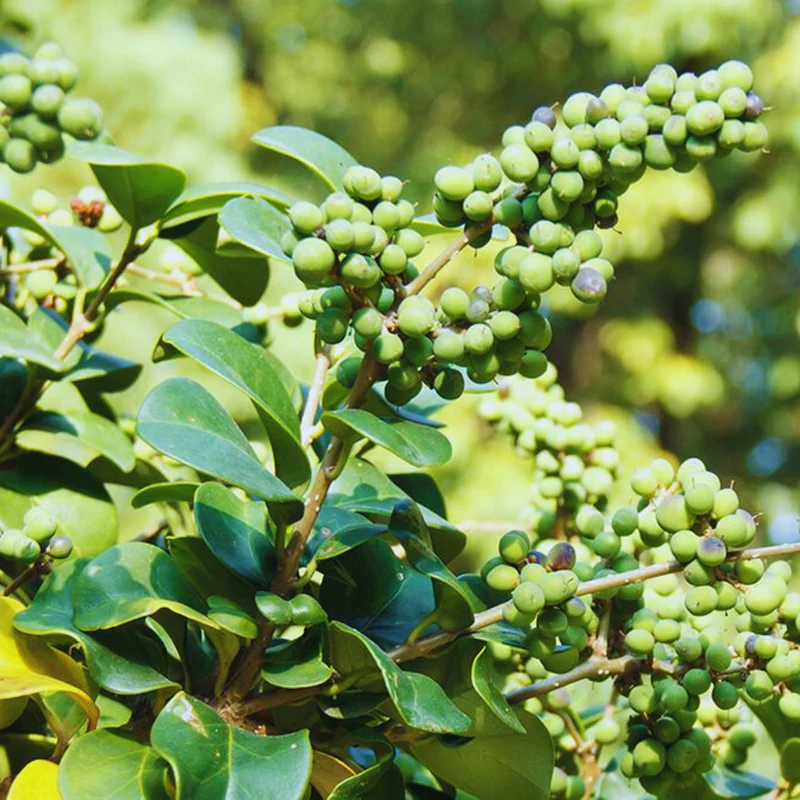
Commiphora mukul (Burseraceae), commonly known as the guggul tree, is native to arid regions of India, Bangladesh, and Pakistan.1 The plant exudes an oleo-gum resin obtained by bark incision (tapping) during November–June. In Ayurveda, this resin has long been used for arthritis, inflammation, obesity, and lipid disorders.
Gugulipid is the ethyl acetate extract of guggul resin, standardized for hypolipidemic activity and used clinically in India since 1988. Phytochemical fractionation identified E- and Z-guggulsterone (pregnane-type steroids) as principal bioactive compounds. These constituents lack estrogenic or progestational activity and are not mediated via classical steroid receptors.2
Mechanism of lipid-lowering action
Guggulsterone acts as an antagonist of the farnesoid X receptor (FXR), a key regulator of bile acid and lipid metabolism. This modulation influences hepatic cholesterol homeostasis and enhances LDL receptor activity, contributing to reduced circulating lipid levels.
Hypolipidemic effects (preclinical evidence)
Animal studies:
- Reduces serum cholesterol and triglycerides in hypercholesterolemic rabbits, rats, chicks, pigs, and primates
- Accelerates lipid normalization after high-fat diet exposure
- Partially reverses diet-induced atherosclerotic changes
- Decreases liver cholesterol accumulation and body weight in experimental models
- Guggulsterone increases LDL receptor binding and improves hepatic lipid clearance
Metabolic and cardiovascular effects:
Gugulipid and guggulsterone improve lipid profiles by:
- Lowering total cholesterol, LDL, and triglycerides
- Increasing HDL levels
- Reducing lipid peroxidation and oxidative stress markers
- Improving hepatic antioxidant status and vascular function
Additional pharmacological actions
Anti-inflammatory activity:
Guggul extracts show efficacy in experimental models of arthritis and inflammation, including carrageenan-induced edema and adjuvant arthritis. Effects are attributed to steroidal and resin fractions, though precise active pathways remain under investigation.
Thyroid-modulating effects:
Guggulsterone enhances thyroid function in animal models by increasing iodine uptake and oxygen consumption. It also restores thyroid activity in hypothyroid states, suggesting a potential role in metabolic regulation.
Anti-acne activity:
Gugulipid has demonstrated clinical efficacy in nodulocystic acne, with outcomes comparable to tetracycline, particularly in patients with seborrheic tendencies.
Drug interaction potential:
Gugulipid may reduce plasma levels of drugs such as diltiazem and propranolol by inducing cytochrome P450 enzymes. This effect is linked to activation of nuclear receptors regulating drug metabolism, including PXR.
Conclusion
Commiphora mukul resin and its standardized extract, gugulipid, exhibit clinically relevant hypolipidemic activity primarily mediated by E- and Z-guggulsterone through FXR antagonism. Preclinical evidence supports its lipid-lowering, anti-inflammatory, thyroid-modulating, and metabolic regulatory effects. However, variability in clinical outcomes and potential drug interactions necessitate further controlled studies for optimized therapeutic application.4
References:
- Satyavati GV. Gum guggul (Commiphora mukul)--the success story of an ancient insight leading to a modern discovery. Indian J Med Res. 1988;87:327-335. https://pubmed.ncbi.nlm.nih.gov/3049326/
- Urizar NL, Liverman AB, Dodds DT, et al. A natural product that lowers cholesterol as an antagonist ligand for FXR. Science. 2002;296(5573):1703-1706. doi:10.1126/science.1072891. https://pubmed.ncbi.nlm.nih.gov/11988537/
- Verma SK, Bordia A. Effect of Commiphora mukul (gum guggulu) in patients of hyperlipidemia with special reference to HDL-cholesterol. Indian J Med Res. 1988;87:356-360. https://pubmed.ncbi.nlm.nih.gov/3169888/
- Urizar NL, Moore DD. GUGULIPID: a natural cholesterol-lowering agent. Annu Rev Nutr. 2003;23:303-313. doi:10.1146/annurev.nutr.23.011702.073102. https://pubmed.ncbi.nlm.nih.gov/12626688/