
Introduction
Non-alcoholic fatty liver disease (NAFLD) is the most common chronic liver disorder worldwide and is closely associated with obesity, insulin resistance, type 2 diabetes mellitus, dyslipidemia, and metabolic syndrome. The disease spectrum ranges from simple hepatic steatosis to non-alcoholic steatohepatitis (NASH), fibrosis, cirrhosis, and hepatocellular carcinoma. As no universally approved pharmacological therapy exists for NAFLD, interest has grown in nutraceuticals and plant-derived compounds that target the underlying metabolic and inflammatory pathways. Among these, Nigella sativa (black cumin or black seed) has emerged as a promising adjunctive therapy due to its antioxidant, anti-inflammatory, insulin-sensitizing, and hepatoprotective properties.
Bioactive constituents and pharmacological properties
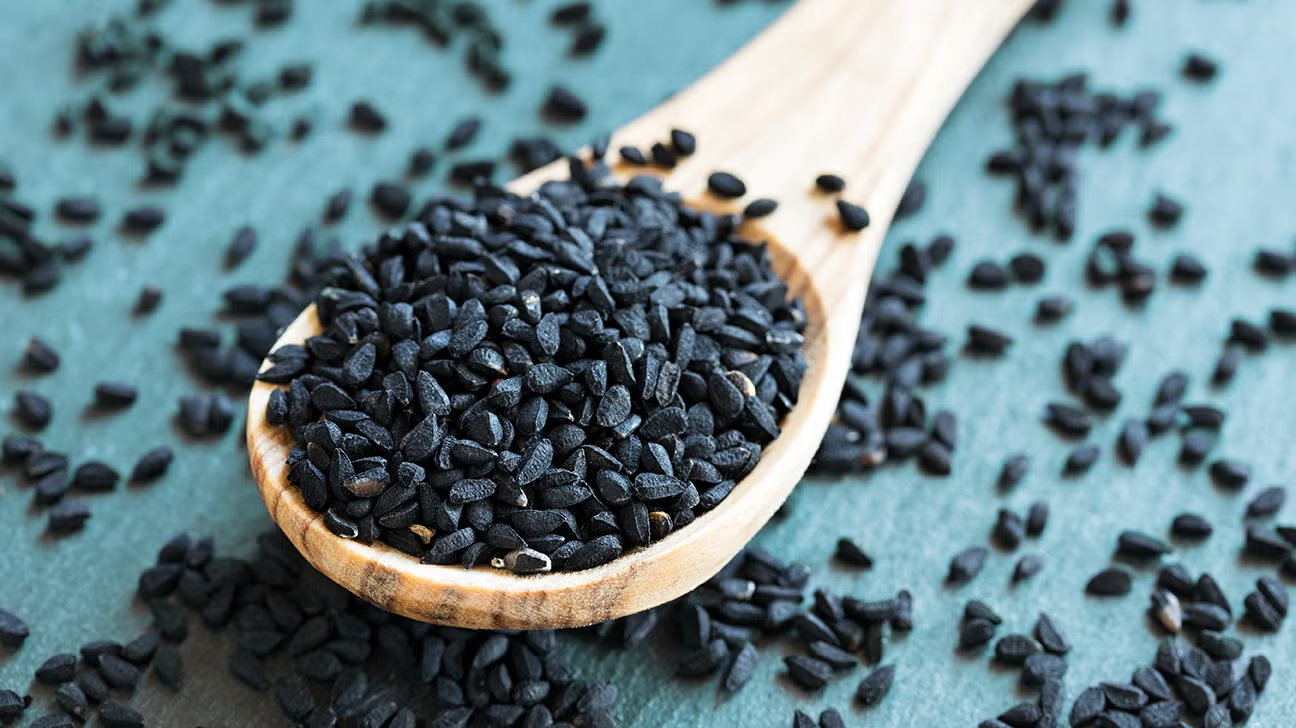
Nigella sativa seeds contain numerous bioactive compounds, including thymoquinone, thymohydroquinone, nigellidine, nigellicine, alkaloids, flavonoids, and essential fatty acids. Thymoquinone, the principal active constituent, is considered largely responsible for the plant’s therapeutic effects. Experimental studies have demonstrated that these compounds exert antioxidant, anti-inflammatory, lipid-lowering, and glucose-regulating actions, all of which are relevant to the pathogenesis of NAFLD.
Mechanisms of action in NAFLD
Improvement in lipid metabolism:
Hepatic fat accumulation is a hallmark of NAFLD.
- Nigella sativa has been shown to improve lipid metabolism by reducing serum triglycerides, total cholesterol, and low-density lipoprotein cholesterol while increasing high-density lipoprotein cholesterol levels.
- These effects may decrease hepatic lipid deposition and improve liver function. Modulation of lipid synthesis and fatty acid oxidation pathways has also been suggested as a potential mechanism contributing to reduced steatosis.
Reduction of oxidative stress:
Oxidative stress plays a central role in the progression of NAFLD from simple steatosis to steatohepatitis.
- Excessive production of reactive oxygen species (ROS) promotes lipid peroxidation, mitochondrial dysfunction, and hepatocyte injury.
- Thymoquinone exhibits potent free radical-scavenging activity and enhances endogenous antioxidant defenses, including superoxide dismutase, catalase, and glutathione-related pathways. By restoring redox balance, Nigella sativa may help prevent further liver damage.
Anti-inflammatory effects:
- Chronic low-grade inflammation is a key driver of NAFLD progression.
- Studies have demonstrated that Nigella sativa suppresses inflammatory mediators such as tumor necrosis factor-alpha (TNF-α), interleukin-6 (IL-6), and nuclear factor-kappa B (NF-κB).
- Reduction of these pro-inflammatory pathways may limit hepatocellular injury and attenuate the transition from steatosis to steatohepatitis.
Enhancement of insulin sensitivity:
- Insulin resistance is considered a major pathogenic factor in NAFLD.
- Supplementation with Nigella sativa has been associated with improved glycemic control, reduced fasting blood glucose levels, and enhanced insulin sensitivity.
- Improved insulin signaling reduces hepatic de novo lipogenesis and promotes better metabolic regulation, thereby addressing one of the root causes of fatty liver disease.
Clinical evidence
Several clinical studies have evaluated the effects of Nigella sativa supplementation in patients with NAFLD. Improvements have been reported in liver enzyme levels, particularly alanine aminotransferase (ALT) and aspartate aminotransferase (AST), along with reductions in hepatic steatosis assessed by imaging techniques. Some trials have also demonstrated favorable effects on body weight, waist circumference, lipid profile, and markers of insulin resistance. Although the magnitude of benefit varies among studies, the overall evidence suggests that Nigella sativa may serve as a useful adjunct to lifestyle modification.
Safety and practical considerations
Nigella sativa is generally well tolerated when consumed in recommended amounts as seed powder, oil, or standardized extracts. Reported adverse effects are typically mild and may include gastrointestinal discomfort in susceptible individuals. However, standardization of formulations, optimal dosing, and long-term safety data remain areas requiring further investigation.
Conclusion
Nigella sativa represents a promising natural adjunct in the management of NAFLD owing to its multifaceted actions on lipid metabolism, oxidative stress, inflammation, and insulin resistance. Growing experimental and clinical evidence supports its hepatoprotective potential and ability to improve metabolic parameters associated with fatty liver disease. While lifestyle modification remains the cornerstone of treatment, Nigella sativa supplementation may offer additional therapeutic benefits. Larger randomized controlled trials are needed to establish standardized dosing regimens and confirm its long-term efficacy in diverse patient populations.1
References:
Mohtashamian A, Ebrahimzadeh A, Shamekhi Z, Sharifi N. Nigella sativa supplementation and non-alcoholic fatty liver disease: A systematic review of clinical trials. Avicenna J Phytomed. 2023;13(1):18-33. doi:10.22038/AJP.2022.20060 https://pmc.ncbi.nlm.nih.gov/articles/PMC9840772/