
Introduction
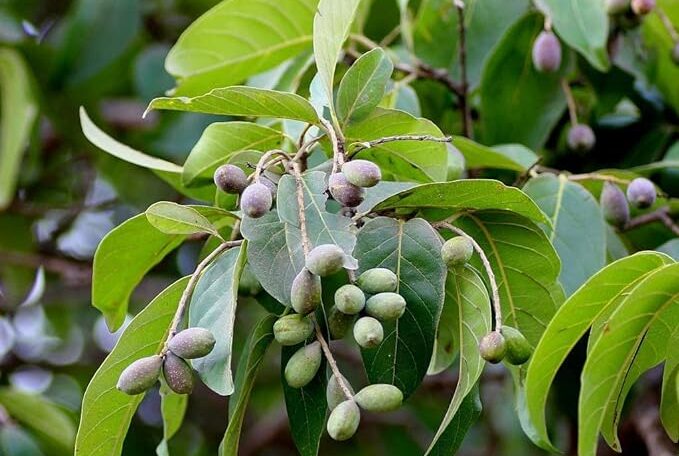
Haritaki (Terminalia chebula Retz.) is regarded in Ayurveda as one of the most salutary medicinal plants and is considered suitable for use across different stages and ages of human life. The drug possesses a wide range of therapeutic properties and actions, among which Anulomana is considered one of its most important applications. Owing to its influence on bowel regulation and digestive function, Haritaki occupies a significant place in Ayurvedic clinical practice.
Understanding the concept of Anulomana
- Anulomana refers to a mild laxative or aperient action that facilitates the proper evacuation of bowel contents while supporting the normal digestive process. Unlike strong purgation, Anulomana promotes the separation and elimination of fecal matter adhered to the intestinal walls without causing damage to the intestinal mucosa.
- This action is achieved through normalization of the consistency of fecal matter, particularly when digestion is impaired and stool becomes excessively sticky. By facilitating easy evacuation and supporting the physiological process of digestion, Anulomana contributes to maintaining gastrointestinal health and regular bowel function.
Dosage form-dependent actions of Haritaki
Ayurvedic literature describes that the therapeutic actions of Haritaki may vary according to its dosage form.
- Boiled Haritaki is described as Sangrahi (water absorbent).
- Haritaki Churna (powder) is described as laxative in nature.
- Different pharmaceutical preparations of the same drug may therefore influence gastrointestinal function in distinct ways.
These observations highlight the importance of selecting the appropriate dosage form according to the desired therapeutic outcome and the clinical condition of the patient.
Effect on intestinal motility
- The principal therapeutic utility of Haritaki is closely linked to its Anulomana action. Both Haritaki Churna and Haritaki Vati (tablet) have demonstrated significant intestinal motility-enhancing effects, supporting the Ayurvedic understanding of Anulomana drugs.
- Enhancement of intestinal transit appears to be one of the mechanisms through which Haritaki promotes bowel regularity and facilitates the elimination of accumulated fecal matter. These effects provide a pharmacological basis for its traditional use in conditions associated with impaired bowel movement and digestive dysfunction.
Clinical relevance in Malavibandha
- Malavibandha (constipation) is a common condition characterized by difficulty in bowel evacuation. The intestinal motility-enhancing action of Haritaki supports its use in managing this condition.
- Among the commonly used dosage forms, Haritaki Churna exhibits a comparatively stronger effect on intestinal motility than Haritaki Vati. This characteristic makes the powdered form particularly suitable when the primary therapeutic objective is the promotion of bowel evacuation and restoration of normal bowel habits.
Conclusion
Haritaki remains an important Ayurvedic drug because of its well-recognized Anulomana property and its ability to support physiological bowel function. Its influence on intestinal motility, stool regulation, and digestive health underscores its value in the management of Malavibandha. The variation in action across different dosage forms further highlights the importance of individualized therapeutic selection in Ayurvedic practice. 1
Reference:
1. Jirankalgikar YM, Ashok BK, Dwivedi RR. A comparative evaluation of intestinal transit time of two dosage forms of Haritaki [Terminalia chebula Retz]. Ayu. 2012;33(3):447-449. doi:10.4103/0974-8520.108866. https://pmc.ncbi.nlm.nih.gov/articles/PMC3665098/#sec1-5