
Introduction
Gastroesophageal reflux disease (GERD) is a chronic gastrointestinal disorder characterized by reflux of gastric contents into the esophagus, leading to symptoms such as heartburn, regurgitation, and esophageal irritation. Conventional therapies, particularly proton pump inhibitors (PPIs), remain the cornerstone of treatment; however, concerns regarding long-term safety, symptom recurrence, and incomplete mucosal healing have encouraged growing interest in natural and complementary therapeutic strategies.
Emerging evidence highlights the role of plant-derived bioactives, microbiome modulators, and lifestyle-based interventions in reducing reflux severity, enhancing mucosal protection, and improving overall gastrointestinal function. These approaches collectively aim to target multiple pathophysiological pathways involved in GERD, including oxidative stress, inflammation, mucosal barrier dysfunction, and altered gastrointestinal motility.
Polyphenols and flavonoids: Antioxidant and mucosal protective agents
- Polyphenols and flavonoids are plant-derived bioactive compounds widely distributed in fruits, vegetables, teas, and herbs. These molecules exhibit strong antioxidant and anti-inflammatory properties, making them important natural agents in GERD management. Oxidative stress plays a key role in esophageal mucosal injury, and flavonoids such as quercetin (found in onions and apples) help reduce pro-inflammatory cytokines including TNF-α, thereby limiting mucosal inflammation.
- Green tea polyphenols, particularly epigallocatechin gallate (EGCG), inhibit NF-κB activation, a central regulator of inflammatory signaling in GERD. Similarly, polyphenols from berries and red wine act as reactive oxygen species scavengers, protecting the esophageal epithelium from oxidative damage.
- Curcumin, a polyphenolic compound from turmeric, further enhances mucosal healing by reducing acid secretion and promoting epithelial repair. Additionally, polyphenols support gut microbiota balance by acting as prebiotics and modulating microbial composition, which indirectly contributes to improved gastrointestinal homeostasis.
Plant oils and extracts: Gastroprotective and mucosal healing effects
- Essential oils and plant extracts demonstrate significant gastroprotective properties through enhancement of mucosal defense mechanisms.
- Clove oil, rich in eugenol, increases gastric mucus secretion without altering acid output, thereby strengthening mucosal defense. Citrus aurantium and Citrus limon essential oils, primarily containing limonene, enhance mucus production and prostaglandin E2 (PGE2) levels, contributing to epithelial protection.
- Similarly, Hyptis martiusii essential oil reduces lipid peroxidation and supports mucosal regeneration. Chamomile exhibits anti-inflammatory and soothing effects, reducing esophageal irritation. Aloe vera has been clinically shown to reduce heartburn, regurgitation, and nausea by promoting wound healing and reducing inflammation.
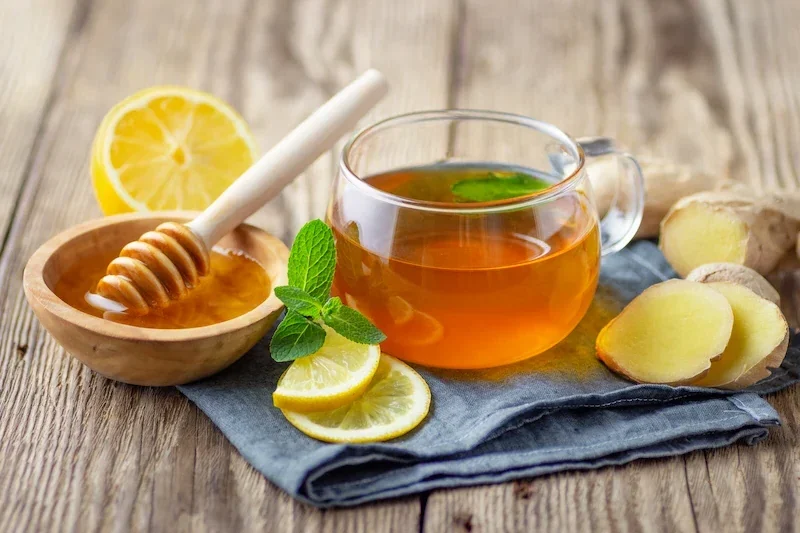
- Licorice (Glycyrrhiza glabra), particularly its deglycyrrhizinated form (DGL), enhances mucus secretion and forms a protective barrier over the gastric mucosa, while ginger (Zingiber officinale) improves gastric emptying and reduces reflux episodes through prokinetic and anti-inflammatory actions.
Dietary and lifestyle-based interventions
- Dietary modification remains a cornerstone of natural GERD management. High-fat meals, caffeine, alcohol, and acidic foods are known to reduce lower esophageal sphincter (LES) tone and worsen reflux. In contrast, fiber-rich diets such as the Mediterranean diet have demonstrated symptom relief comparable to pharmacological therapy in some cases.
- Alkalizing diets incorporating bananas, melons, leafy greens, and cucumbers help buffer gastric acidity. Alkaline water (pH > 8.0) may also inactivate pepsin, thereby reducing mucosal injury. Low-FODMAP diets have been shown to reduce transient LES relaxations and gas production, leading to symptom improvement in sensitive individuals.
- Non-pharmacological interventions such as diaphragmatic breathing, stress reduction techniques, acupuncture, and regular physical activity further contribute to symptom control by improving motility, reducing intra-abdominal pressure, and modulating neurogastroenterological pathways.
Conclusion
Natural therapeutic strategies for GERD encompass a broad spectrum of interventions targeting oxidative stress, inflammation, microbial imbalance, and esophageal barrier dysfunction. Polyphenols, flavonoids, plant extracts, probiotics, prebiotics, and lifestyle modifications collectively provide a multi-targeted approach that complements conventional acid-suppressive therapy. Although current evidence supports their potential benefits, further large-scale clinical trials are required to establish standardized dosing, long-term efficacy, and safety profiles. Integrating these natural interventions into clinical practice may offer a more holistic and patient-centered approach to GERD management, potentially reducing dependence on long-term pharmacotherapy while improving overall gastrointestinal health.1
References:
- Komolafe K, Komolafe TR, Crown OO, et al. Natural Products in the Management of Gastroesophageal Reflux Disease: Mechanisms, Efficacy, and Future Directions. Nutrients. 2025;17(6):1069. Published 2025 Mar 19. doi:10.3390/nu17061069 https://pmc.ncbi.nlm.nih.gov/articles/PMC11944625/#sec4-nutrients-17-01069