
Introduction
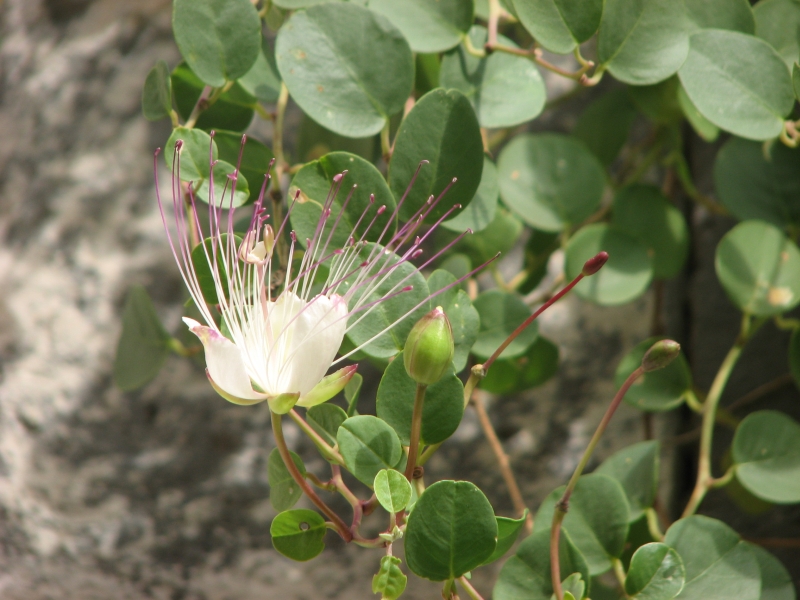
The rise of antimicrobial resistance and emerging viral infections has intensified the search for novel plant-based therapeutic agents. Medicinal plants rich in bioactive phytochemicals are increasingly recognized as important sources of antimicrobial and antiviral compounds. Among these, Capparis spinosa L. (caper bush) has gained scientific attention due to its broad pharmacological profile, including antimicrobial, antifungal, antioxidant, anti-inflammatory, and antiviral potential. Traditionally used in Mediterranean and Asian folk medicine, different parts of the plant—buds, fruits, leaves, and roots—contain diverse secondary metabolites such as flavonoids, alkaloids, glucosinolates, phenolic acids, and glycosides, which contribute to its biological activity.1
Antimicrobial properties of Capparis spinosa
Antibacterial activity:
Extracts of Capparis spinosa have demonstrated inhibitory effects against a range of Gram-positive and Gram-negative bacteria. The antibacterial action is mainly attributed to phenolic compounds and flavonoids that disrupt bacterial cell membranes, inhibit enzyme activity, and interfere with microbial metabolism.2
Experimental findings show that caper extracts can reduce bacterial growth, inhibit quorum sensing, and suppress biofilm formation in clinically relevant pathogens. This antibiofilm activity is particularly important, as biofilms contribute to antibiotic resistance and chronic infections.
Antifungal activity:
Caper extracts also exhibit antifungal properties against species such as Candida albicans and Aspergillus spp. The mechanism involves disruption of fungal cell wall integrity and inhibition of spore germination. Polyphenolic compounds in the plant are believed to play a key role in reducing fungal proliferation and pathogenicity.3
Antiviral potential of Capparis spinosa
Although research on antiviral activity is less extensive compared to antibacterial studies, emerging evidence suggests that Capparis spinosa may possess compounds capable of interfering with viral replication and host–virus interactions. The plant’s flavonoids and phenolic acids are of particular interest due to their ability to:
- Inhibit viral enzyme activity
- Interfere with viral attachment and entry into host cells
- Modulate host immune responses
- Reduce oxidative stress associated with viral infections4
These mechanisms collectively suggest a potential role in supporting antiviral defense, especially in viral infections where inflammation and oxidative stress contribute to disease severity.
Bioactive compounds responsible for activity:
Capparis spinosa exhibits antimicrobial and antiviral effects due to flavonoids, phenolic acids, glucosinolates, isothiocyanates, alkaloids, and tannins. These phytochemicals disrupt microbial membranes, inhibit enzymes and replication, provide antioxidant protection, and suppress microbial growth, acting synergistically to enhance overall antimicrobial efficacy.
Mechanisms of action
The biological activities of Capparis spinosa extracts involve multiple mechanisms:
- Disruption of microbial cell membranes
- Inhibition of nucleic acid and protein synthesis
- Prevention of biofilm formation
- Quorum sensing inhibition
- Modulation of host immune and inflammatory responses
- Reduction of oxidative stress contributing to infection progression
This multi-target approach makes caper extracts particularly valuable in addressing resistant microbial strains.
Clinical and therapeutic relevance:
Capparis spinosa shows potential as a natural antimicrobial agent for supportive management of bacterial and fungal infections, development of plant-derived antivirals, and functional food applications for immune support. Its broad-spectrum activity and favorable traditional safety profile make it a promising candidate for future therapeutic and pharmaceutical applications.
Conclusion
Capparis spinosa exhibits significant antimicrobial activity against bacteria and fungi, along with emerging evidence of antiviral potential. Its efficacy is primarily attributed to its rich phytochemical composition, including flavonoids, phenolic compounds, and glucosinolates. Through multiple mechanisms such as membrane disruption, enzyme inhibition, and immune modulation, caper extracts offer a promising natural source for developing novel antimicrobial and antiviral strategies. Continued research is essential to fully characterize its antiviral mechanisms and translate its pharmacological potential into clinical applications.
Reference:
- Annaz H, Sane Y, Bitchagno GTM, et al. Caper (Capparis spinosa L.): An Updated Review on Its Phytochemistry, Nutritional Value, Traditional Uses, and Therapeutic Potential. Front Pharmacol. 2022;13:878749. Published 2022 Jul 22. doi:10.3389/fphar.2022.878749 https://pmc.ncbi.nlm.nih.gov/articles/PMC9353632/
- Issac Abraham SV, Palani A, Ramaswamy BR, Shunmugiah KP, Arumugam VR. Antiquorum sensing and antibiofilm potential of Capparis spinosa. Arch Med Res. 2011;42(8):658-668. doi:10.1016/j.arcmed.2011.12.002 Antiquorum sensing and antibiofilm potential of Capparis spinosa - PubMed
- Annaz H, Sane Y, Bitchagno GTM, et al. Caper (Capparis spinosa L.): An Updated Review on Its Phytochemistry, Nutritional Value, Traditional Uses, and Therapeutic Potential. Front Pharmacol. 2022;13:878749. Published 2022 Jul 22. doi:10.3389/fphar.2022.878749 https://pmc.ncbi.nlm.nih.gov/articles/PMC9353632/
- Arena A, Bisignano G, Pavone B, Tomaino A, Bonina FP, Saija A, Cristani M, D'Arrigo M, Trombetta D. Antiviral and immunomodulatory effect of a lyophilized extract of Capparis spinosa L. buds. Phytother Res. 2008 Mar;22(3):313-7. doi: 10.1002/ptr.2313. PMID: 18058988. https://pubmed.ncbi.nlm.nih.gov/18058988/