
Introduction
Musculoskeletal disorders (MSDs) encompass injuries and pain affecting the joints, ligaments, muscles, nerves, tendons, and the structures that support the limbs, neck, and back. Arthritis is one of the most common musculoskeletal disorders and is often associated with pain, inflammation, stiffness, and impaired joint function.1
Panchakarma, meaning "five actions" or "five treatments," is a classical Ayurvedic therapeutic system aimed at cleansing the body, restoring health, and balancing the doshas. These therapies are believed to help eliminate Ama and restore harmony between the physical and mental aspects of the body. In arthritis management, Panchakarma focuses on reducing inflammation, improving joint function, promoting detoxification, and supporting overall musculoskeletal health.2
Key Panchakarma therapies for arthritis
Abhyanga (oil massage):
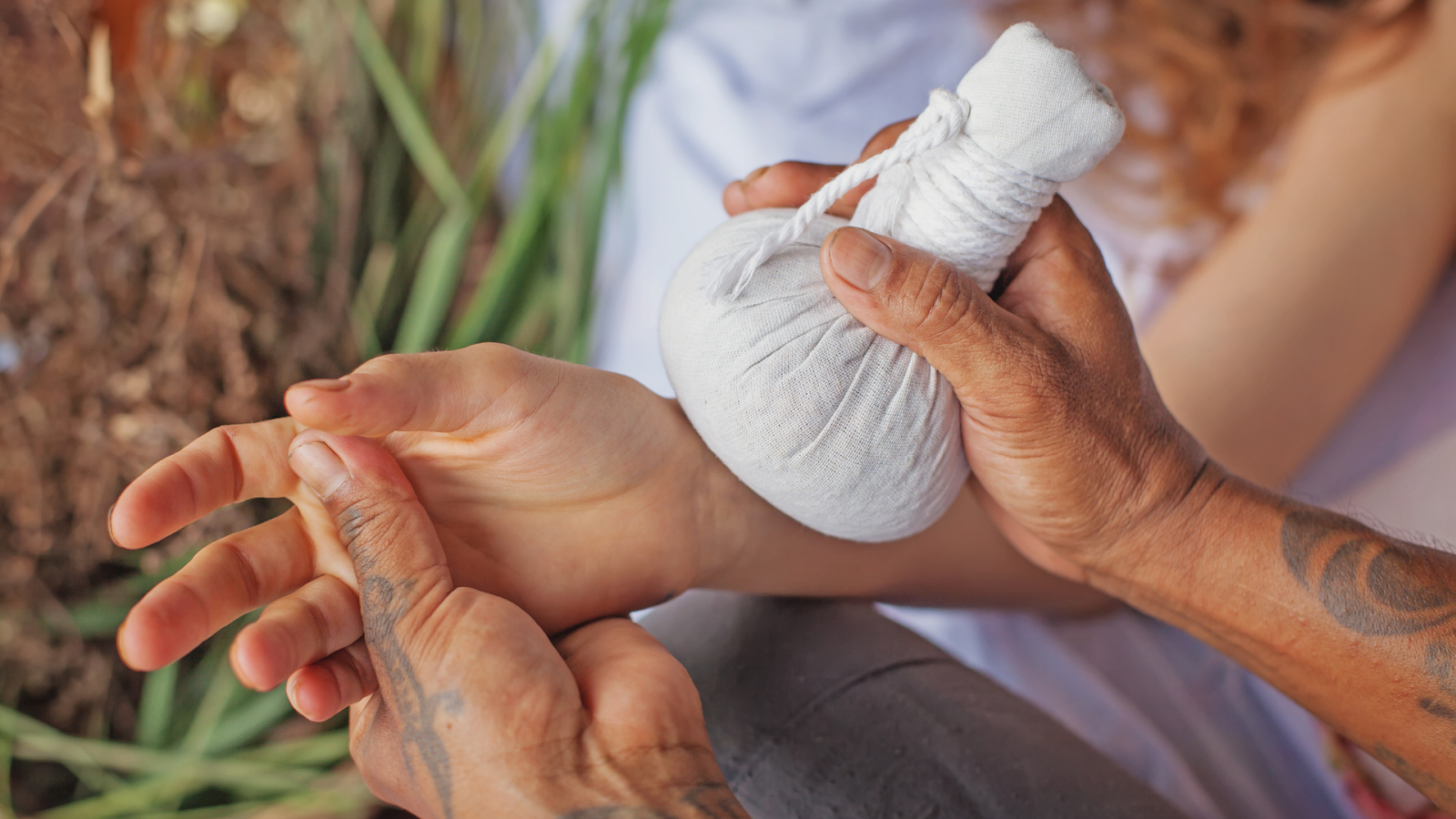
Abhyanga is a therapeutic full-body massage performed using warm medicated oils and is commonly recommended for arthritic conditions. The oils are often infused with herbs possessing revitalizing, anti-inflammatory, and pain-relieving properties. By improving circulation to affected joints, Abhyanga may help reduce stiffness, improve mobility, and nourish tissues. It is considered particularly beneficial in arthritis associated with aggravated Vata dosha.3
Swedana (sudation therapy):
Swedana is typically administered after Abhyanga and involves the use of herbal steam. The therapy promotes sweating, opens pores, improves circulation, and facilitates the elimination of toxins.
Its reported benefits include:
- Reduction in joint stiffness
- Improved blood flow to affected areas
- Relief from pain and swelling
- Enhanced absorption of medicated oils
Swedana is considered useful in both rheumatoid arthritis and osteoarthritis.
Basti (medicated enema):
Basti is regarded as one of the most important Panchakarma therapies for arthritis associated with Vata imbalance. The procedure involves administration of herbal oils or decoctions into the colon to cleanse the body and restore internal balance.
The therapy may help:
- Pacify aggravated Vata dosha
- Reduce joint pain and inflammation
- Alleviate dryness and stiffness
- Support long-term joint health 4
Additional supportive therapies
Pizhichil (oil bath):
Pizhichil combines gentle massage with the continuous pouring of warm herbal oils over the body. The therapy is known for its anti-inflammatory, joint-lubricating, and circulation-enhancing properties. It is commonly used in inflammatory joint disorders such as osteoarthritis and rheumatoid arthritis.5
Shirodhara:
Although Shirodhara primarily promotes mental and emotional balance, it may provide indirect benefits in arthritis management. By reducing stress and encouraging relaxation, it may help individuals better cope with chronic pain and improve overall quality of life.6
Therapeutic benefits of Panchakarma
When combined with a holistic approach to health, Panchakarma therapies may contribute to:
- Reduction of inflammation
- Restoration of joint mobility
- Detoxification and cleansing
- Balancing of Vata dosha
- Improved joint function and pain relief
Conclusion
Panchakarma offers a holistic Ayurvedic approach to arthritis management by addressing underlying imbalances rather than focusing solely on symptom relief. Therapies such as Abhyanga, Swedana, Basti, Pizhichil, and Shirodhara may support pain reduction, improved mobility, and enhanced joint function. When integrated into a comprehensive treatment plan, these therapies have the potential to improve overall well-being and quality of life in individuals with arthritis.
1. Rani P, Sahu S, Jain A. Role of Panchakarma with special reference to Basti Chikitsa in musculoskeletal disorders: a critical review. Int J Ayurveda Pharma Res. https://ijapr.in/index.php/ijapr/article/view/1167
2. ubbell JA. Synthetic biodegradable polymers for tissue engineering and drug delivery. Curr Opin Solid State Mater Sci. 1998;3:246-251. https://www.sciencedirect.com/science/article/abs/pii/S1359028698800983
3. Dcosta P, Shabaraya AR, Miranda FC. Hydrogel in novel drug delivery: a review. Int J Pharm Res Appl. 2022;7(4):1-9. https://ijprajournal.com/issue_dcp/Hydrogel%20in%20Novel%20Drug%20Delivery%20A%20Review.pdf
4. El Sayed MM. Production of polymer hydrogel composites and their applications. J Polym Environ. 2023;31:2855-2879. doi:10.1007/s10924-023-02796-z. https://link.springer.com/article/10.1007/s10924-023-02796-z
5. Tang L, Wu S, Qu J, Gong L, Tang J. A Review of Conductive Hydrogel Used in Flexible Strain Sensor. Materials (Basel). 2020;13(18):3947. Published 2020 Sep 7. doi:10.3390/ma13183947. https://pmc.ncbi.nlm.nih.gov/articles/PMC7560041/
6. Mondal S, Das S, Nandi AK. A review on recent advances in polymer and peptide hydrogels. Soft Matter. 2020;16(6):1404-1454. https://pubs.rsc.org/en/content/articlelanding/2020/sm/c9sm02127b